

Powerade and Gatorade are two of the most widely recognized sports drinks on the market. Both contain water, a specific form of sugar, citric acid, and salt to support hydration. While they share many similarities, Powerade provides a greater amount of certain micronutrients.

These beverages are promoted as tools to enhance athletic performance, regardless of your fitness level or training intensity.
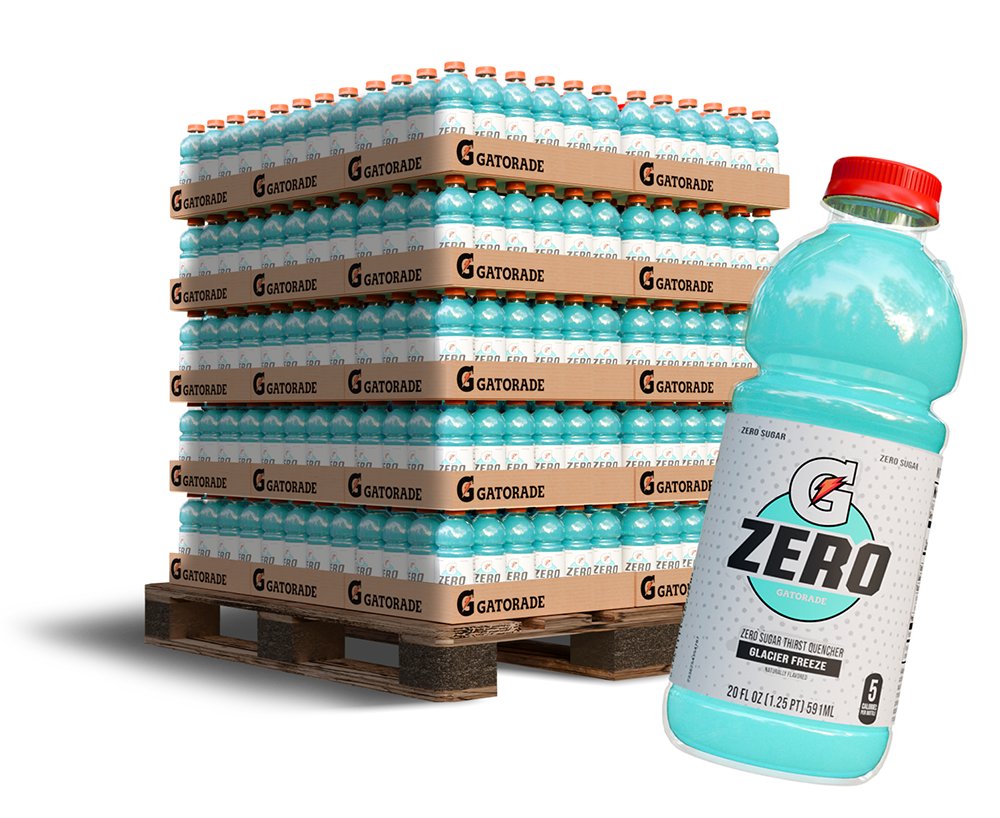
Supporters of each brand often debate which one is superior. Likewise, many consumers researching hydration options — including questions like Does gatorade zero have caffeine or sugar — may also wonder how standard Powerade and Gatorade compare in ingredients, nutrition, and performance benefits.
This article explores the distinctions between Powerade and Gatorade to help you determine whether one stands out as a better option for your needs.
Contain different ingredients
Powerade and Gatorade are sports beverages available in multiple flavors, and each is formulated with a slightly different ingredient profile.

Different sweeteners
The primary components in both drinks include water, a type of sugar, citric acid, and salt (1, 2).
Powerade is sweetened with high-fructose corn syrup, whereas Gatorade uses dextrose. Dextrose is chemically identical to regular sugar (1, 2, 3).
From a nutritional standpoint, high-fructose corn syrup and dextrose are quite comparable. This means both Powerade and Gatorade deliver similar amounts of carbohydrates and overall nutrients (4, 5).
Research indicates that high-fructose corn syrup and regular sugar exert similar negative effects on insulin levels, appetite response, and obesity risk (6, 7, 8, 9). For individuals monitoring blood sugar or calorie intake, these similarities are important to consider.
If you are specifically evaluating sugar-free varieties and wondering Does Gatorade Zero have caffeine, it’s helpful to understand that the standard versions of both Powerade and Gatorade do contain added sugars and carbohydrates intended to replenish energy during prolonged activity.
Powerade has more vitamins than Gatorade
One 20-ounce (590-ml) lemon-lime Powerade and Gatorade contain (1, 2):
| Powerade | Gatorade | |
| Calories | 130 | 140 |
| Carbs | 35 grams | 36 grams |
| Protein | 0 grams | 0 grams |
| Fat | 0 grams | 0 grams |
| Sugar | 34 grams | 34 grams |
| Sodium | 10% of the Daily Value (DV) | 11% of the DV |
| Potassium | 2% of the DV | 2% of the DV |
| Magnesium | 1% of the DV | – |
| Niacin | 25% of the DV | – |
| Vitamin B6 | 25% of the DV | – |
| Vitamin B12 | 25% of the DV | – |
The carbohydrate and sugar amounts are nearly identical in both beverages, and neither provides fat or protein.
Gatorade supplies 10 more calories and slightly higher sodium per serving compared with Powerade.
In contrast, Powerade contains additional micronutrients, including magnesium, niacin, vitamin B6, and vitamin B12. These nutrients play essential roles in energy metabolism, nerve function, and red blood cell formation, which may be relevant for athletes engaged in frequent or intense training.
SummaryPowerade and Gatorade are sweetened with different types of sugar. Gatorade contains more calories and sodium, while Powerade provides magnesium, niacin, vitamin B6, and vitamin B12.
Taste differences
Many consumers report noticeable taste differences between Powerade and Gatorade.
Although large-scale taste comparison studies have not been conducted, anecdotal reports suggest that Powerade tastes sweeter than Gatorade.
This perceived sweetness may be due to Powerade’s use of high-fructose corn syrup, which has a sweeter flavor profile than the dextrose used in Gatorade (1, 10).
The added vitamins in Powerade could also subtly influence its flavor. Ultimately, taste preference varies from person to person and may depend on flavor choice, sweetness tolerance, and individual hydration needs.
SummarySome individuals perceive Powerade as sweeter than Gatorade. Its use of high-fructose corn syrup and added vitamins may contribute to these flavor differences.
Similar effects on athletic performance
Sports drinks are formulated to replenish fluids, carbohydrates, and electrolytes lost through sweat during physical activity (11). Electrolytes such as sodium and potassium help maintain fluid balance and support muscle and nerve function.
However, the advantages of consuming sports drinks like Powerade and Gatorade depend largely on the duration and intensity of exercise, as well as the individual’s sweat rate and overall hydration status.
Evidence supporting the use of sports drinks during short-duration activities — such as weight training, sprinting, or jumping — is limited (12, 13, 14). For workouts lasting less than an hour, water is often sufficient for hydration in most healthy individuals.
In contrast, carbohydrate-containing beverages like Powerade and Gatorade may enhance performance during continuous exercise lasting 1–4 hours or longer (15). Carbohydrates provide a readily available energy source that can help delay fatigue.
Multiple studies have demonstrated that both drinks can improve endurance and performance in prolonged activities such as running, cycling, and triathlons compared with a placebo (16, 17, 18).
That said, there is minimal evidence indicating that one brand consistently outperforms the other. Most available research has been conducted in trained athletes, so results may not directly apply to individuals engaging in light or moderate physical activity.
SummaryPowerade and Gatorade may support athletes participating in prolonged, continuous exercise. Current evidence does not strongly favor one drink over the other for enhancing performance.
The bottom line
Powerade and Gatorade remain two of the most popular sports drinks available.
Their nutritional profiles are very similar, though Powerade offers slightly more micronutrients. Both beverages contain added sugar and carbohydrates designed to replenish energy stores during extended exercise.
For individuals concerned about calorie intake, blood sugar management, or broader health questions — including Does gatorade zero have caffeine or sugar — reviewing product labels and understanding your activity level can help guide your decision.
Ultimately, if you decide to consume either drink, your choice can reasonably be based on flavor preference, micronutrient content, and personal hydration needs.




















Leave a Reply
You must be logged in to post a comment.