
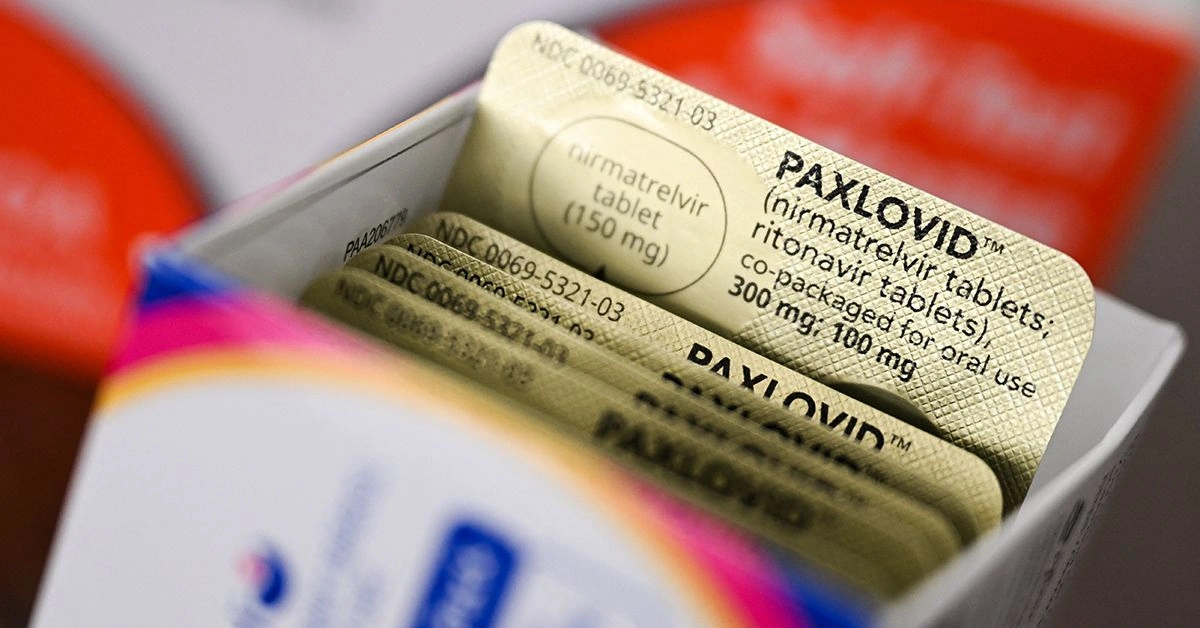
- The U.S. Government Patient Assistance Program (USG PAP), run by Pfizer, will offer qualifying Medicare recipients free access to Paxlovid through December 31, 2025.
- Paxlovid is a prescription oral antiviral composed of nirmatrelvir and ritonavir, used to treat mild to moderate COVID-19 and especially beneficial for those who are unvaccinated.
- The initiative guarantees that people covered by Medicare, Medicaid, other federal health plans, or those without coverage can continue to obtain Paxlovid at no cost until the stated cutoff date.
The U.S. Government Patient Assistance Program (USG PAP), administered by Pfizer, will supply eligible Medicare beneficiaries with no-cost Paxlovid through December 31, 2025.
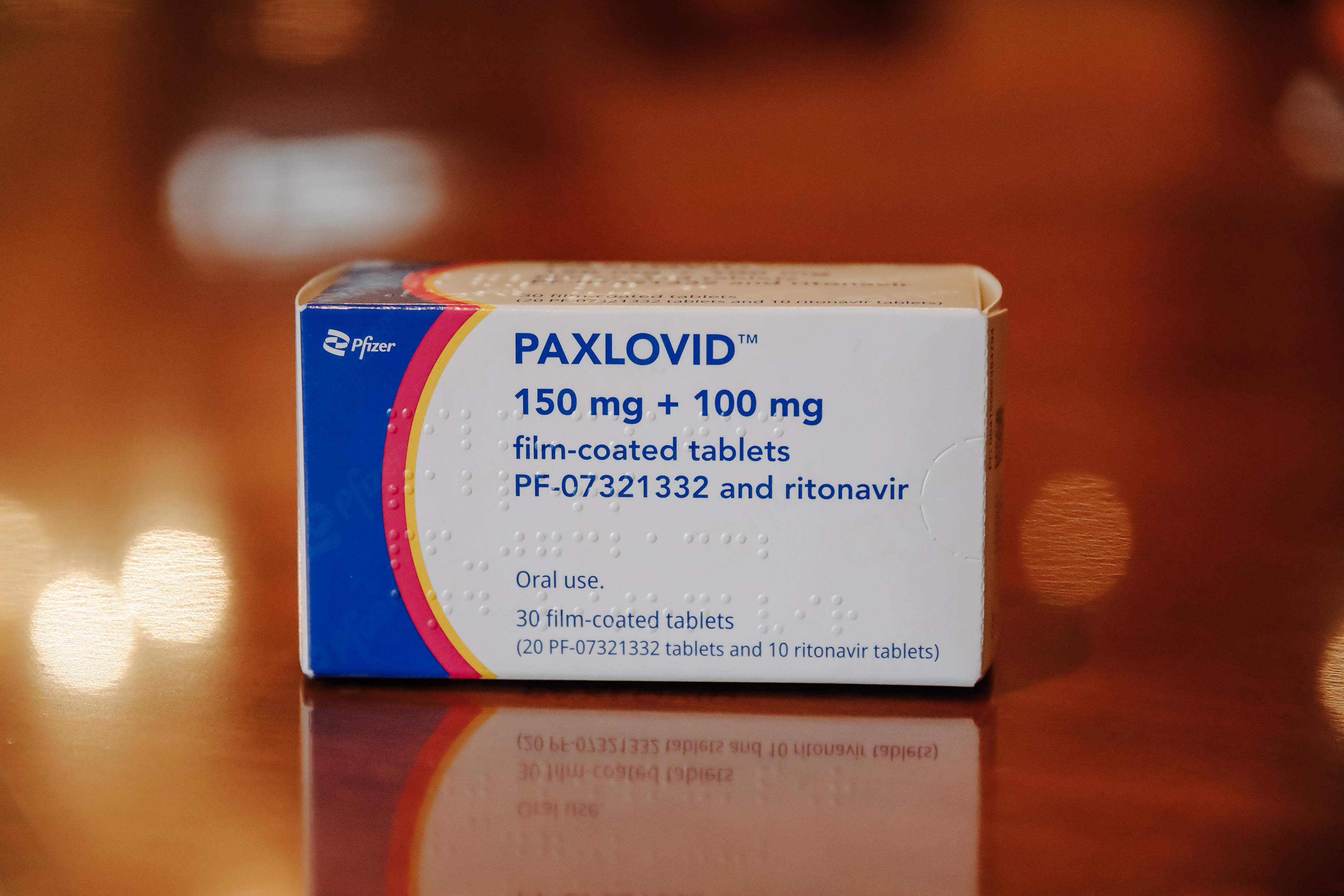
This support also extends to people enrolled in Medicaid, TRICARE, the VA Community Care Network, and to uninsured individuals.
Paxlovid and Medicare coverage
Earlier guidance from Medicare had extended complimentary Paxlovid availability for beneficiaries from December 2024 to February 28, 2025.
According to the drugmaker, the period of free access has been prolonged again until December 31, 2025 under its patient assistance program.
This arrangement makes sure that individuals with Medicare, Medicaid, other government-sponsored health plans, or those lacking insurance can keep receiving Paxlovid without charge until the indicated date.
About Paxlovid
Paxlovid is an oral prescription antiviral that combines nirmatrelvir and ritonavir. It’s prescribed for mild to moderate COVID-19 and shows pronounced benefit for the unvaccinated.
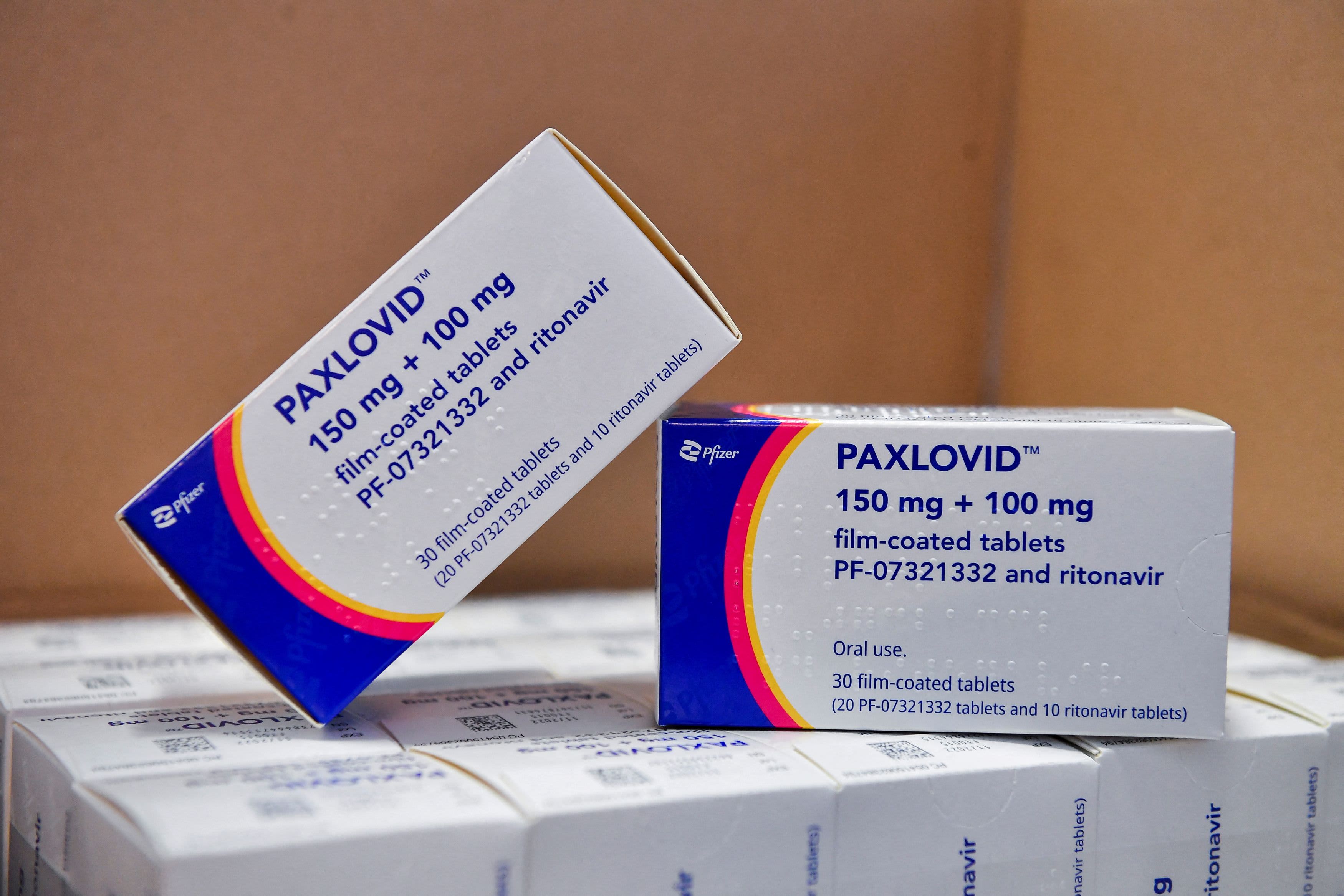
Nirmatrelvir works by inhibiting a vital viral enzyme required for coronavirus replication. Ritonavir slows the metabolic breakdown of nirmatrelvir, boosting its activity.
In studies, Paxlovid lowered the chance of hospitalization or death from SARS-CoV-2 Omicron variants among older adults by roughly 44%.
It’s essential to review Paxlovid with your physician or healthcare provider, since it has numerous potential drug interactions.
Also, taking Paxlovid can lead to side effects, which may include:
- allergic responses
- altered taste sensation
- diarrhea
- headache
- liver-related issues
- elevated blood pressure (hypertension)
- vomiting
If you want more information about coverage specifics or related procedures, see resources such as does medicare cover lipoma removal which discuss Medicare coverage nuances in other contexts and can help you navigate benefits and eligibility.






















Leave a Reply
You must be logged in to post a comment.