
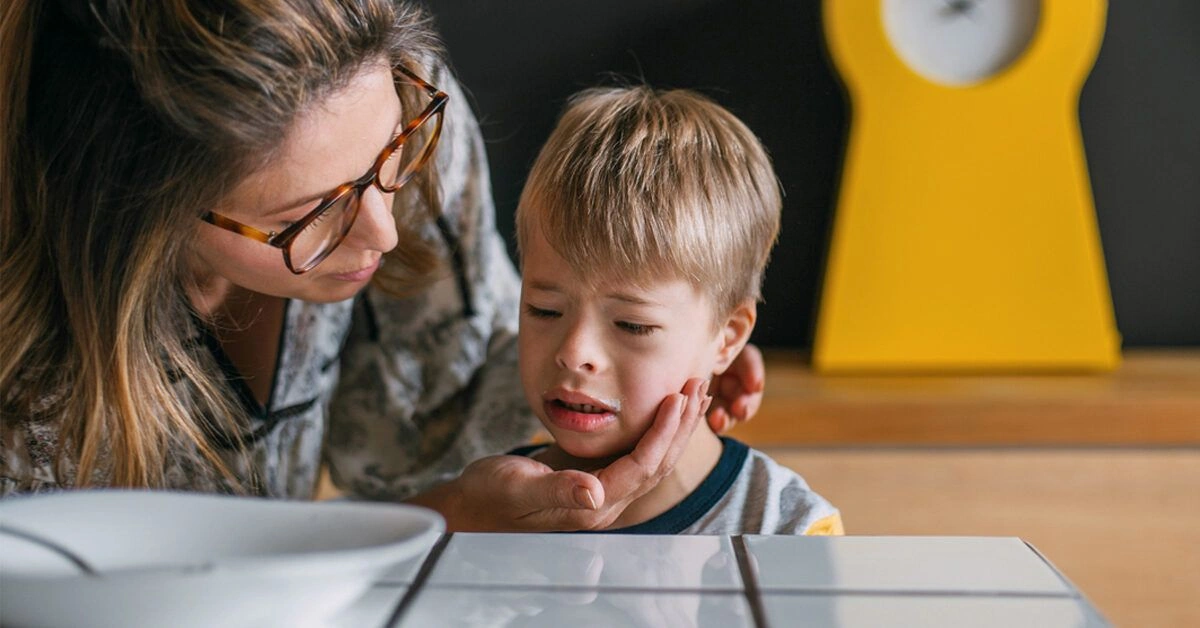
Divorce is difficult for everyone involved. Whether someone is 32 or just 2, whether they are one half of a previously happy couple or the child of that relationship, divorce rarely comes as a planned event. Still, hundreds of thousands of couples separate annually in the United States.
If you have children, their welfare is likely at the forefront of your concerns. Is there an age when divorce is especially harmful to kids? Should you try to stay together “for the children” until they’re old enough to grasp what’s happening?
The brief answer is that divorce impacts kids across all age groups. It’s often most challenging for elementary-school children, for reasons discussed below. But if you and your partner conclude the relationship can’t be salvaged, separating may be the healthiest option—kids are resilient, and there are strategies to help mitigate the emotional fallout.
Under age 3
“Don’t worry. They won’t remember it.”
There’s a common myth that memory begins at age 3. Research shows memory formation likely begins earlier, although early memories are fragile and frequently overwritten.
A revealing 2011 study asked children as young as 4 to report their three earliest memories, then asked them again two years later about those memories and any new ones.
Investigators discovered that children can recall events from early life, but the youngest participants often did not retain the same memories. In the follow-up, they tended to report memories from later months and sometimes denied the earlier recollections entirely.
So a 3-year-old might remember Mom and Dad arguing when they were 2, and that memory could upset them. Yet as they grow a bit older, they may have no memory of those fights.
Does that mean infants and toddlers aren’t affected by divorce? No. Trauma before preschool can leave a lasting imprint. Toddlers who have experienced months or years with two attentive parents may respond to separation by:
- becoming more irritable or difficult to soothe when one parent is suddenly less present
- becoming clingier or more anxious with the custodial parent or around strangers
- regressing developmentally or reverting to earlier behaviors (for instance, a 3-year-old returning to a pacifier)
Beyond memory, these foundational years shape future development, so such disruptions can have downstream effects.
There are steps to soften the impact on infants and toddlers.
For instance, try to preserve a consistent routine wherever possible. Young children thrive on predictability, so if your child lives primarily with Parent A and sees Parent B on weekends, keep that pattern with minimal upheaval.
If you had established rituals before separating, coordinate with your former partner (when feasible) to maintain those practices in both homes.
Sometimes a divorce becomes contentious or results in one parent stepping back from the child’s life. Still, building a nurturing, secure environment and introducing new people and situations gradually and safely will help significantly.
It may be difficult for a period, but children in this age range are remarkably adaptable.
Preschool (3–5)
Between ages 3 and 5, children gain a greater grasp of abstract ideas. They ask many questions and are figuring out their place in the world.
That doesn’t mean they comprehend divorce. They typically depend heavily on the stability of their parents while they explore new feelings and experiences.
When parents fight, preschoolers may feel their world is upheaved and react with tears, fear, and an earnest plea for things to return to “normal.”
They may also blame themselves, experience sleep problems, or seek more control. Overwhelmed by emotions they can’t yet name, preschoolers often struggle to process them.
Things can actually improve once the divorce is final and consistency returns to the household(s).
The turmoil leading up to a split can leave confusing memories and feelings. But after routines are reestablished, your child may begin to feel secure again — even if they repeatedly express a wish for you and the other parent to reunite.
To reduce harm at this stage, try to keep interactions with the other parent as civil as possible when your child is present.
Avoid loud arguments, refrain from speaking poorly of the other parent in front of your child, and don’t pressure them to choose sides. (Even if one parent bears more responsibility, a preschooler doesn’t need that detail.)
Research suggests that mediation can be useful for navigating divorce and co-parenting arrangements for preschool-aged children (source).
Elementary school age (6–12)
Many experts consider this the most difficult age group for managing parental separation.
Kids in elementary school often remember positive family times and are old enough to grasp more nuanced feelings about conflict and blame, though their understanding is incomplete.
You may hear questions like:
- If you love me, why can’t you stay together?
- Did I do something wrong?
- Is this because I don’t always listen?
- I’ll be good, I promise.
- Does Mom/Dad not love me anymore, and that’s why they’re leaving?
These questions reflect a common theme: children assume the divorce revolves around them. They often internalize responsibility for the breakup rather than seeing it as a conflict between adults.
Such beliefs can lead to short- or long-term depression. Kids may withdraw, become quieter, or develop anxiety.
Alternatively, they might act out with anger toward one or both parents or play parents against each other, producing typical lines like “I want to live with Dad!” or “Mom lets me do [fill-in-the-blank]!” Teachers may notice changes in peer relationships or behavior toward authority figures.
What helps most is maintaining civility in front of your elementary-age child. Minimize conflict and arrange divorce logistics privately or with the guidance of a mediator or counselor.
Ideally, both parents remain actively engaged and supportive in the child’s life, though that isn’t always safe or possible. In cases of abuse or domestic violence, removal of the abusive parent may be the healthiest choice for the child.
As they mature, many children come to terms with even painful divorces. Professional therapy and emotional support from family and friends can be invaluable during and after the separation.
Your pediatrician can help identify appropriate resources.
There are also age-appropriate books for children of divorced parents—read with younger kids or offer titles to independent readers and invite conversation about what they learn.

Teenagers
By adolescence, teens are more likely to grasp the emotional dynamics behind a divorce.
In many cases, they may view a final split as a relief if the home environment had been fraught, receiving a sense of closure. They’re also less prone to assume they caused the breakup or to believe that staying together at any cost is best.
Although teenagers can still be self-focused, their primary world often centers on life outside the home, so they’re less likely to question parental love and more inclined to move forward.
Still, they may worry about social consequences (such as moving away from friends) and may reminisce about the past. Yet they can often perceive that divorce has the potential to improve circumstances.
Generally, acceptance comes more readily in the teen years. But remember that a younger teen is still developing cognitively and emotionally. Provide supports to help them adjust, and consider informing teachers about the transition.
Speak openly with your teenager. Listen, validate their feelings, and ask if they’d like counseling.
The takeaway
Divorce is challenging at any age and can have enduring effects on both children and parents.
Remember that your children need care and stability during this time, and that requires you to take care of yourself. Work with a therapist experienced in divorce, rely on friends and family, and consider peer support groups online or in person. Self-care is essential.
Also consider that a turbulent household can be as damaging as separation itself. If you’re debating whether to stay together until your children reach adulthood, reflect on the home’s overall health:
- Is the environment healthy for you and your children?
- Is reconciliation a realistic possibility?
- Are you and your partner open to couples therapy?
If the answer to these questions is “no,” keep in mind that children are resilient. Sometimes the best path is to separate and focus on creating a cooperative co-parenting plan that restores as much stability and calm as possible.























Leave a Reply
You must be logged in to post a comment.