
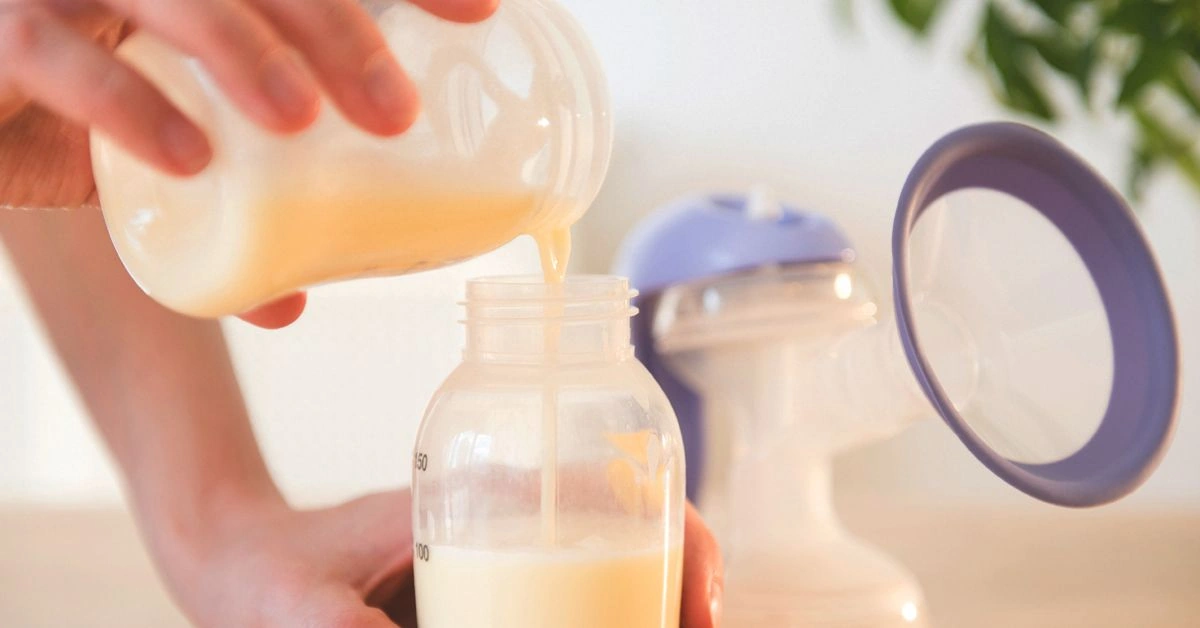
How to handle and store breast milk
For mothers heading back to work or simply wanting more flexibility in their breastfeeding schedule, knowing how to safely store and warm expressed breast milk is essential.
Given the effort that goes into building a reserve of breast milk, you’ll want to ensure that those nutrients and immune-supporting components remain intact.
You can accomplish that by following recommended procedures for storing and reheating breast milk.
.jpg)
Reheating breast milk
Use the oldest milk first. Frozen milk should be thawed overnight in the refrigerator. You can also thaw it under a slow, steady stream of cool running water. To warm the milk, gradually raise the temperature of the running water until it reaches feeding temperature.
If you’re warming milk that’s been refrigerated, use warm running water to remove the chill. Another option is to heat a pot of water on the stove and place the bottle or bag into that water.
Do not heat breast milk directly on the stovetop, and never bring it to a boil. If the milk is refrigerated, you might try offering it to your baby without warming; some infants accept cool milk just fine.
Never use a microwave to heat breast milk. Some research indicates that microwaving breast milk can reduce certain nutritional components.
Microwaves also heat unevenly, creating hot spots that could scald your baby during feeding.
Refrigerated breast milk may appear separated, with a thin cream layer on top and a more watery layer beneath. This separation doesn’t indicate spoilage. Gently swirl the container or massage the bag to recombine the cream before feeding.
Thawed milk can sometimes have a soapy smell or taste due to the breakdown of milk fats. This milk is still safe to offer, though your baby might refuse it. If that happens, consider shortening how long you store expressed milk.
Storing breast milk
Per La Leche League, expressed breast milk should be refrigerated or frozen immediately after pumping. Store milk in 2- to 4-ounce portions using milk storage bags or glass or rigid-plastic containers with tight-fitting lids.
Remember that milk storage bags are specifically made for expressed breast milk. Don’t replace them with regular kitchen plastic bags or disposable bottle liners. These substitutes are less sturdy and more prone to leaks and contamination.
Certain plastics can also compromise the nutrients in breast milk. Before sealing, remove excess air from the bag.
If you use plastic bottles, avoid containers that contain BPA (bisphenol A); these are often marked with a 3 or 7 in the recycling symbol.
Choose containers made from polypropylene, which display a 5 in the recycling symbol or the letters PP. If you’re concerned about chemical leaching from plastics, choose glass instead.
Wash any container with hot, soapy water before adding breast milk. Rinse thoroughly and allow to air-dry, or place in the dishwasher. Inspect containers before use.
Discard any bottle that appears damaged, and throw out milk stored in a compromised container. Always wash your hands before expressing or handling breast milk.
When filling containers, leave space at the top because breast milk expands when frozen; leaving about an inch will accommodate this expansion.
Label bags or containers with the date expressed and the volume. Also include your child’s name if you’ll be supplying milk to a caregiver. Store milk at the back of the refrigerator or freezer where temperatures are most stable. If using bags, place them inside another sealed container for extra protection.
%20(1).jpg)
If you have freshly expressed milk, the Mayo Clinic notes that you may add it to refrigerated or frozen milk expressed earlier the same day.
If you do, make sure the newly expressed milk has cooled in the fridge before combining it with already chilled or frozen milk. Adding warm milk to frozen milk can partially thaw the frozen milk, increasing the risk of contamination.
Storing guidelines
If you thaw milk that your baby isn’t ready to drink, you don’t necessarily need to discard it.
Frozen milk that has been thawed can be kept in the refrigerator for up to 24 hours. Generally, it’s not recommended to refreeze thawed milk.
The Mayo Clinic offers these timeframes for storing expressed breast milk.
- Freshly expressed breast milk is safe at room temperature for up to six hours, though it’s best to use or store it within four hours. In very warm environments, limit this to four hours.
- Breast milk freshly expressed can be kept in an insulated cooler with ice packs for up to 24 hours.
- Freshly expressed breast milk can be stored in the back of the refrigerator for up to five days; however, using or freezing it within three days is considered optimal.
- Breast milk expressed fresh can be kept in a deep freezer for up to one year, with six months being the optimal timeframe (in a standard freezer, storage of three to six months is recommended).
The takeaway
Keep a few things in mind when storing breast milk.
First, the longer milk is stored in the refrigerator or freezer, the more vitamin C it loses. Second, milk expressed when your baby is a newborn may not meet the same nutritional needs as they grow even a few months older.
Still, properly stored breast milk remains a nutritious option for your infant.
Note that storage and warming guidelines can differ for babies who are preterm, ill, or hospitalized. In those cases, consult a lactation consultant and your healthcare provider.


















Leave a Reply
You must be logged in to post a comment.