
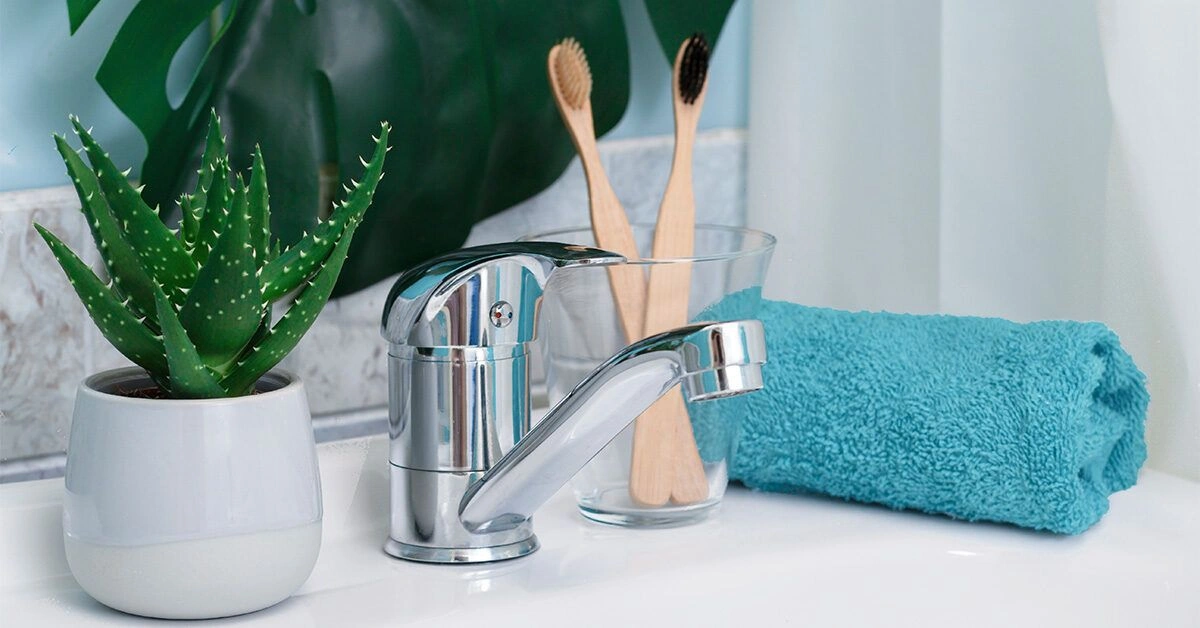
Charcoal toothbrushes have emerged as a recent fad in oral hygiene.
No, we’re not referring to the kind used for grilling — this is about activated charcoal.
These toothbrushes claim to brighten teeth, improve breath, and eliminate bacteria in ways conventional brushes cannot. Still, many dental professionals remain cautious about endorsing them for several reasons.
Some recent research indicates charcoal toothbrushes might be marginally more effective than ordinary brushes. Keep reading to understand the science behind them and to weigh their advantages and disadvantages.

The science behind charcoal toothbrushes
The bristles on charcoal toothbrushes are infused with activated charcoal. Brushing with one of these brushes applies the charcoal directly to your tooth surfaces.
Dr. Pradeep Adatrow, DDS, MSD, a board-certified periodontist and prosthodontist, explains that this charcoal is a finely ground powder produced by oxidizing materials such as coal, olive pits, coconut shells, and similar sources.
Orthodontist Dr. Ingrid Murra adds that the powder is then activated by heating it to very high temperatures, which makes it more porous and increases its surface area.
What are the benefits of charcoal toothbrushes?
Scientific interest in the advantages of charcoal toothbrushes has grown in recent years.
Some reported benefits include:
Brighter smile
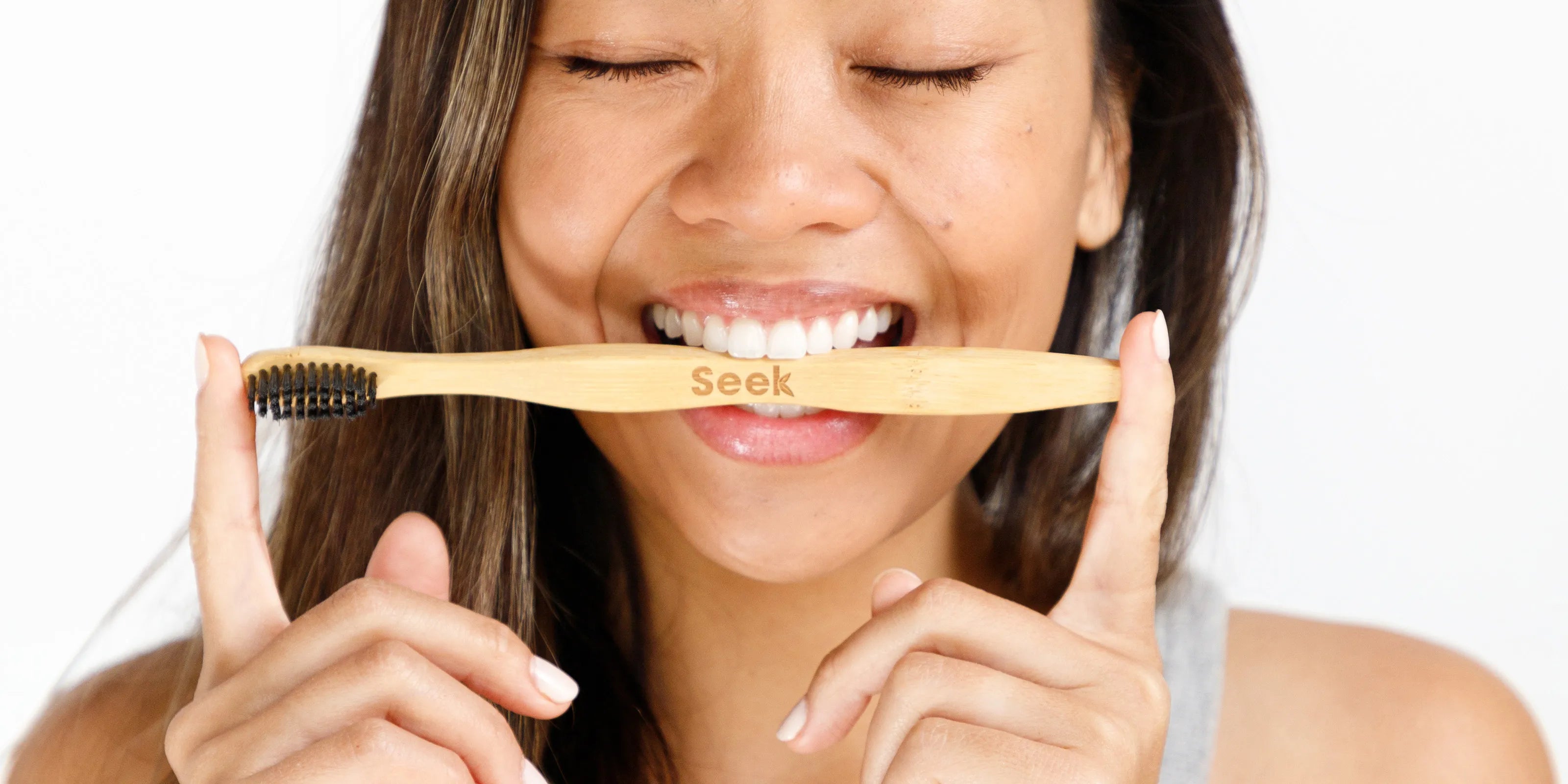
Charcoal toothbrushes can lift stains from teeth, leaving them looking cleaner and whiter.
That’s due to the material’s strong absorbent qualities. Adatrow notes that activated charcoal binds to acidic residues from items like coffee, tea, and wine, helping to remove the discoloration they leave behind.
This absorption can also raise the pH level in your mouth.
Reduced bacteria
Charcoal-infused bristles have demonstrated antibacterial effects.
In a 2018 study with 50 participants, subjects used both charcoal and standard toothbrushes for one week each.
Investigators observed fewer bacteria on the charcoal brushes than on the conventional ones after seven days, with the non-charcoal brushes retaining nearly double the bacterial load of the charcoal brushes.
Improved breath
Fresh breath depends on removing plaque effectively.
A recent study found charcoal toothbrushes performed well in this regard. Twenty-five participants brushed twice daily after meals using both a nylon brush and a charcoal brush.
After six weeks, the charcoal bristles removed more plaque than the regular brush and showed less wear by the study’s end.
What are the downsides of charcoal toothbrushes?
Charcoal toothbrushes come with both upsides and drawbacks. Because these items are relatively new on the market, research into their long-term effects is limited.
Besides sometimes being harder to find, the disadvantages include:
Abrasive properties
Activated charcoal can be abrasive and may wear away tooth enamel. This abrasiveness is one reason charcoal toothbrushes haven’t received the American Dental Association’s Seal of Acceptance.
Once enamel is lost, it does not regenerate. This can result in tooth sensitivity and discoloration, so Adatrow advises against prolonged use of activated charcoal products.
Additionally, Dr. Rhonda Kalasho, a double-board-certified dentist, warns that people with veneers, bonding, or crowns should avoid activated charcoal.
“You will cause irreversible damage,” she said.
Charcoal toothbrushes are also not recommended for those susceptible to cavities.
Can be messy
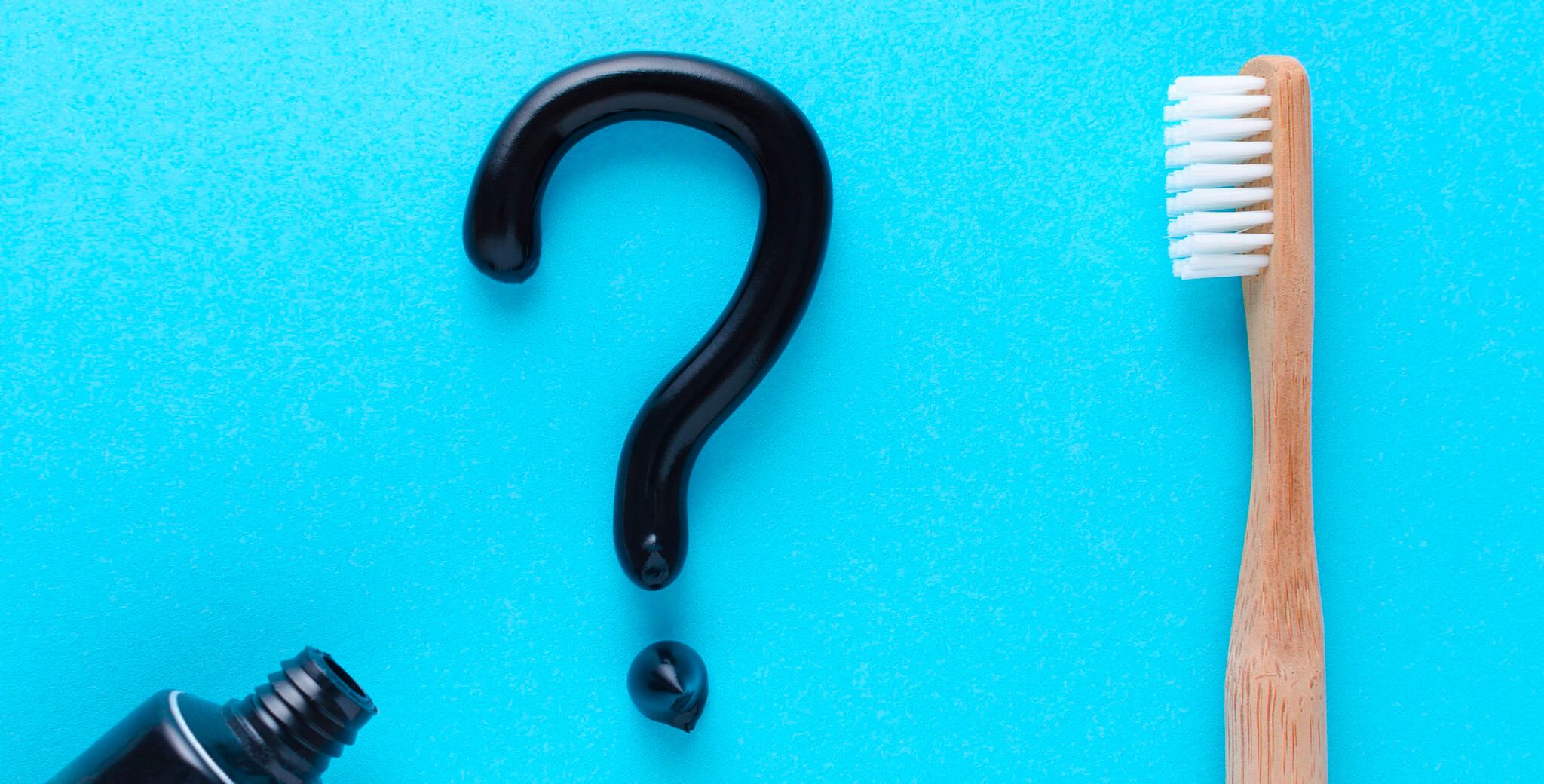
The dark color of activated charcoal can stain your bathroom sink and surrounding areas.
“If you have porcelain sinks or countertops, charcoal can really start to darken them,” Kalasho noted.
While charcoal toothbrushes are generally less messy than other charcoal-based products, they can still shed. If the bristles degrade, the charcoal could spill out and create a stubborn stain.
Lack of strong dental endorsement
Many dentists remain reluctant to endorse activated charcoal dental products.
“I wouldn’t recommend using any charcoal-based dental products since there isn’t sufficient literature to support [them],” Murra said.
Furthermore, both Dr. Ryan Naylor, DDS, and Dr. Mark Alexandrunas, DMD, of Premier Dental Ohio, caution that if activated charcoal is ingested it can bind with medications and reduce their effectiveness.
Other charcoal dental products
In addition to toothbrushes, a variety of charcoal-based dental items are available, including:
- Charcoal toothpaste. Toothpaste that contains activated charcoal and is black in appearance.
- Charcoal whitening strips. Strips infused with activated charcoal that you place on your teeth for a specified time.
- Charcoal whitening powder. A powdered option for those who prefer not to use strips; you apply it to your teeth with a brush.
Takeaway
Evidence suggests charcoal toothbrushes may offer certain benefits: they could help whiten teeth, reduce bad breath, and remove bacteria more effectively than some traditional brushes.
However, as an emerging product, their long-term risks remain unclear. Many dentists are hesitant to recommend activated charcoal due to potential side effects and a lack of robust research.
Further studies are needed to confirm the safety and effectiveness of charcoal toothbrushes.














Leave a Reply
You must be logged in to post a comment.