
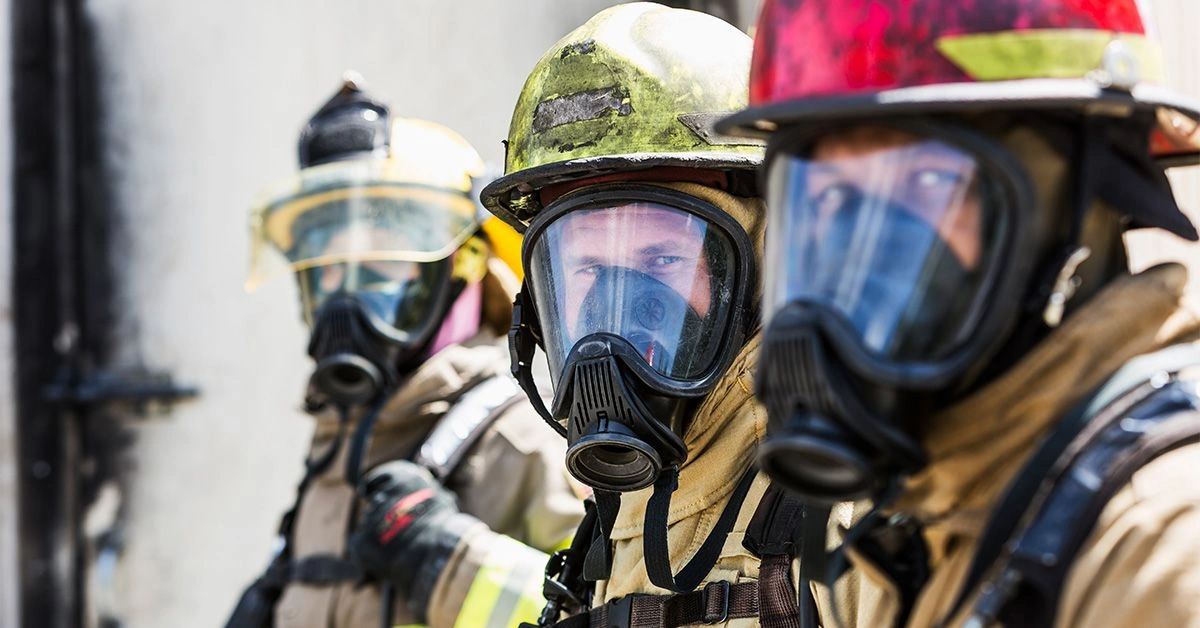

Fitness assessments include a range of standardized tests and structured exercises designed to evaluate your overall health status and physical performance. These evaluations typically measure muscular strength, cardiovascular endurance, flexibility, and body composition to provide a well-rounded picture of your fitness level.
For individuals in physically intensive careers—especially those focused on Physical fitness for police officers, firefighters, and military personnel—these assessments are often mandatory. They help determine readiness for duty and ensure the physical capacity to meet job demands safely. Understanding Why is physical fitness important for police officers? can further highlight how these tests support performance, injury prevention, and public safety.
In addition to occupational requirements, fitness testing can assist you or your personal trainer in creating a tailored exercise program and setting realistic, measurable health goals. Below is a detailed overview of the primary types of fitness tests, their purpose, and the advantages they offer.

Types of fitness testing
There are numerous forms of fitness evaluations available, allowing you to select the most suitable options based on your objectives, whether those involve occupational readiness, weight management, or improving athletic performance.
Body composition testing
Body fat assessments are particularly helpful for individuals aiming to lose excess weight or evaluate potential health risks. Below are several widely used methods for analyzing body composition.
| Type of test | What it measures |
| body mass index (BMI) | A body mass index (BMI) test helps determine whether your body weight falls within a healthy range, although it does not directly measure body fat percentage. |
| waist circumference measurement | You can measure your waist to assess whether it exceeds 37 inches for men or 31.5 inches for women, or if it is larger than your hip measurement. Measurements above these thresholds may increase the risk of stroke, heart disease, and type 2 diabetes. |
| skinfold measurement | A skinfold test uses calipers to estimate the amount of body fat stored beneath the skin. |
| bioelectrical impedance analysis (BIA) | This approach utilizes a body fat scale that sends small electrical currents through the body to assess resistance levels. Greater resistance generally correlates with a higher body fat percentage. |
Additional body composition testing options
More advanced and often more costly tests performed at universities, research institutions, or medical facilities typically deliver highly precise results.
These options include:
- dual-energy X-ray absorptiometry
- hydrostatic weighing
- air displacement plethysmography (Bod Pod)
- bioimpedance spectroscopy (BIS)
- 3-D body scanners
- multi-compartment models
Cardiorespiratory endurance testing
Cardiorespiratory endurance assessments evaluate how efficiently your heart and lungs supply oxygen to working muscles during sustained physical activity. This component is especially crucial in Physical fitness for police officers, where pursuits, defensive tactics, and emergency responses require optimal cardiovascular conditioning.

VO2 tests
VO2 testing measures maximum oxygen uptake (VO2 max) during vigorous exercise. Higher VO2 max values indicate that the cardiorespiratory system is functioning effectively and delivering oxygen efficiently to tissues.
These assessments are typically conducted in a clinical or laboratory environment under the supervision of a clinician or exercise physiologist to ensure accuracy and safety.
Submaximal tests
A certified fitness professional can administer submaximal testing to estimate your cardiorespiratory endurance without requiring maximal exertion. Common examples include:
- Astrand treadmill test
- 2.4 kilometer (1.5 mile) run test
- multistage bleep test
- Cooper 12-minute walk-run test
- stationary bike, rowing machine, or elliptical trainer test
Muscular strength and endurance testing
Strength and endurance evaluations identify which muscle groups are strongest and which may be comparatively weaker or more susceptible to injury. Balanced muscular development is essential for occupational tasks, including suspect restraint and equipment handling in law enforcement.
A strength assessment measures the maximum weight a muscle group can lift in a single repetition, while an endurance assessment determines how long a muscle group can repeatedly contract before fatigue occurs.
Typical endurance tests include:
- squats
- pushups
- low plank holds
Flexibility testing
Flexibility assessments help detect postural imbalances, limited range of motion, and areas of muscular tightness. Maintaining joint mobility reduces injury risk and supports functional movement patterns required in active professions.
Sit-and-reach test
To evaluate flexibility in the lower back and hamstrings, sit on the floor with your legs fully extended forward. The distance between your fingertips and your toes reflects your level of flexibility.
Shoulder flexibility test (zipper test)
This assessment measures mobility in the shoulders and upper arms. Reach one hand behind your neck and down your spine while bringing the opposite hand up your back toward the top hand.
The proximity of your hands indicates shoulder flexibility.
Trunk lift test
The trunk lift test evaluates flexibility and strength in the core and lower back. Lie face down with your arms resting at your sides, then engage your back muscles to raise your upper body as high as possible without discomfort.
Benefits of fitness testing
For work
Fitness assessments provide a clear understanding of your current physical capabilities, potential health risks, and suitability for specific occupations. In policing, structured evaluations support Physical fitness for police officers by confirming readiness for patrol duties, defensive tactics, and high-intensity scenarios. Professional accountability and preparedness are also linked to ethical performance, as explored in How does law enforcement officer show they take responsibility for their actions.
Successfully completing required testing demonstrates that you can perform essential tasks while minimizing injury risk. It may also identify the need for modifications or medical clearance.
For personal fitness goals
You can use assessment data to determine which exercise strategies or weight management plans are most appropriate for you. Results also allow you to compare your performance with age- and gender-based norms, offering helpful context.
As your conditioning improves, your initial results can serve as a baseline for tracking measurable progress over time.
For health risk prevention
Fitness test outcomes may reveal early warning signs of potential health concerns. Abnormal findings can indicate increased risk for injury or chronic disease, prompting preventive measures or further medical evaluation.
Jobs that require fitness assessments
Various professions mandate fitness testing to ensure candidates can meet the physical requirements of the role safely and effectively.
Even positions that are less physically demanding may require a general physical examination during hiring.
U.S. military personnel
Entry into the military requires passing an initial fitness test, followed by reassessment every 6 months. Requirements differ by branch, with the Marine Corps known for particularly rigorous standards.
These evaluations may include:
- pullups
- situps or crunches
- pushups
- running
- swimming
- kneeling basketball throw
In 2020, the U.S. Army introduced the Army Combat Fitness Test, which includes:
- deadlifts
- standing power throw
- hand-release pushups
- sprint-drag-carry
- leg tucks
- 2-mile run
Firefighter
To qualify as a firefighter, candidates must complete the Candidate Physical Ability Test (CPAT), which measures cardiovascular endurance as well as muscular strength and stamina.
The CPAT consists of the following tasks, all of which must be finished within 10 minutes and 20 seconds:
- stair climb
- hose drag
- equipment carry
- ladder raise and extension
- forcible entry
- search
- rescue
- ceiling breach and pull
Police officer
Becoming a police officer requires passing a physical abilities test (PAT), typically composed of:
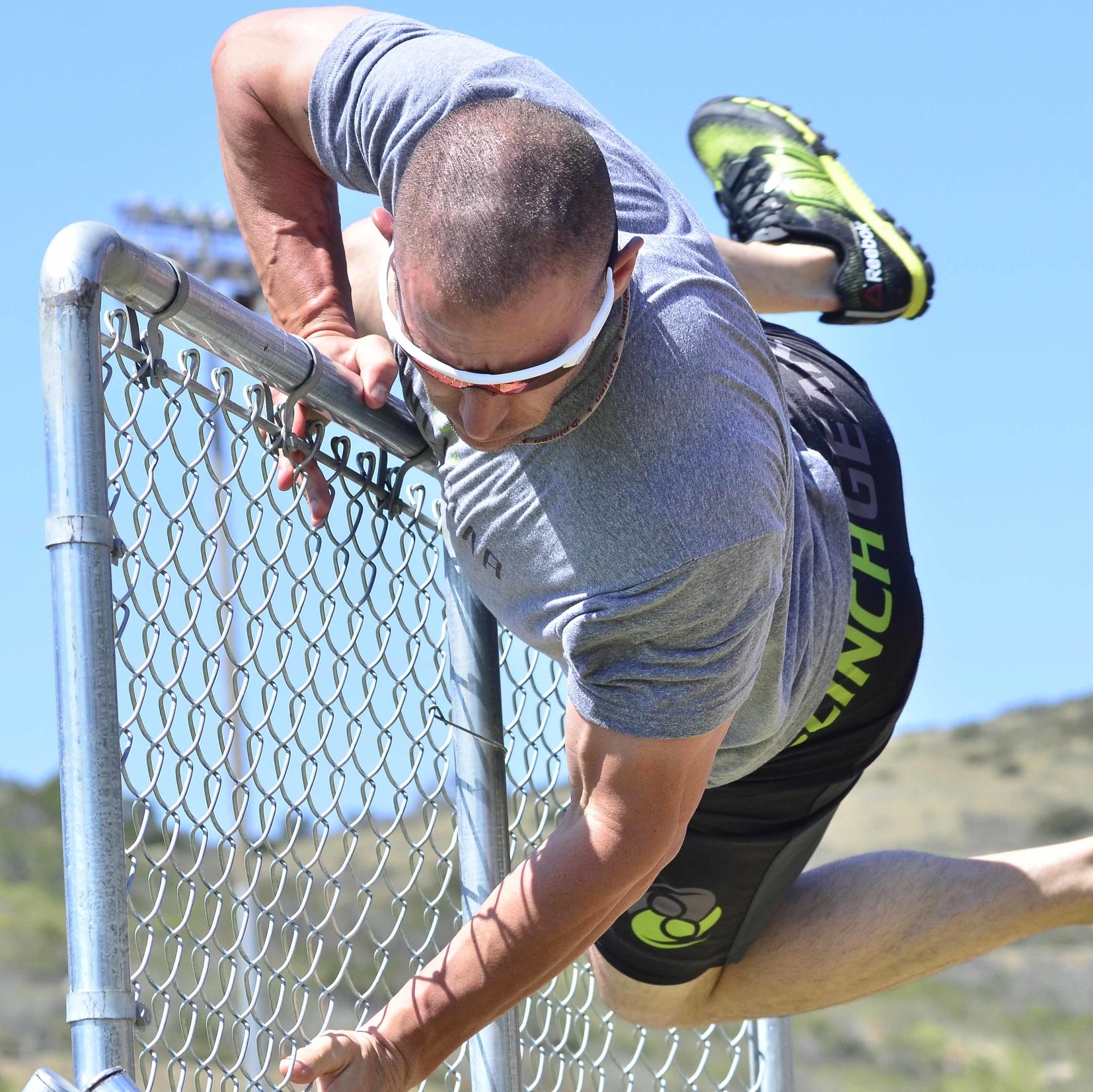
- slalom run
- stair climb
- rescue dummy drag
- single-handed trigger pulls
- 1.5-mile run
- pushups or situps
- bench press
Lifeguard
To work as a lifeguard, candidates must demonstrate strong swimming ability and effective water rescue skills. Standards differ for pool, beach, and open water settings.
Lifeguards are also required to maintain certification in CPR, first aid, and management of neck and back injuries.
Who’s qualified to do fitness testing?
You may perform certain basic tests independently if your goal is general self-monitoring. However, for detailed analysis and medically sound interpretation, it is advisable to consult a physician, medical researcher, or certified personal trainer.
While fitness tests are dependable tools, they represent just one aspect of your overall health profile. Reviewing multiple indicators provides a more comprehensive understanding of your well-being.
Fitness tests for children
In children, fitness assessments evaluate aerobic capacity, muscular strength, and flexibility. These tests are often administered through school physical education programs and encourage healthy development.
The Presidential Youth Fitness Program remains one of the most widely implemented school-based testing initiatives.
Schools use collected data to enhance curriculum quality, ensure instructional standards are met, and monitor whether students meet or exceed national benchmarks.
Results can also provide insight into students’ overall health and highlight potential health risks early.
The takeaway
Fitness testing offers numerous advantages, from identifying health risks to confirming job readiness and tracking personal improvement. For individuals pursuing careers that demand Physical fitness for police officers or other public safety roles, structured evaluations are especially valuable.
Comprehensive testing conducted by trained professionals often delivers the most precise and reliable results.
Consider reassessing your measurements every few weeks or months to monitor progress or detect changes. Consult your healthcare provider or fitness specialist if you observe concerning shifts in your results or if you plan to adjust your training regimen.




















Leave a Reply
You must be logged in to post a comment.