
Episode Description:
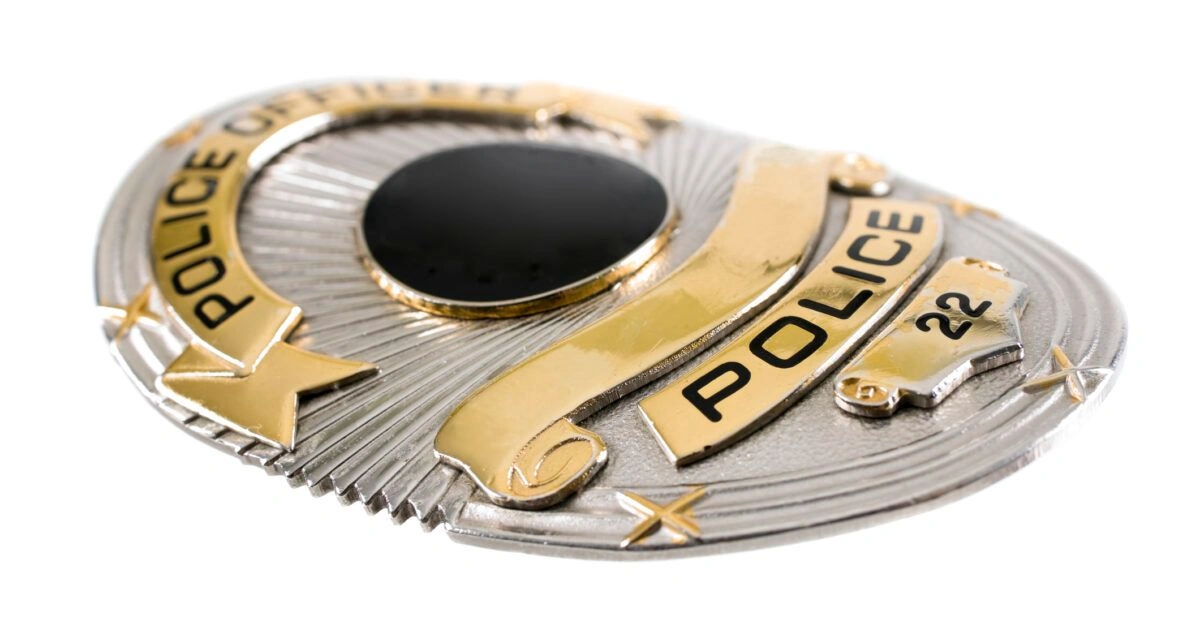
Police officers are statistically far more likely to die by suicide than to be killed in the line of duty — yet this reality is not widely recognized. While communities devote significant resources to preventing line-of-duty deaths, conversations about mental health and suicide prevention in law enforcement are often sidelined. Why does this gap persist? In this episode, we also explore How does law enforcement officer show they take responsibility for their actions when facing psychological trauma and its consequences. Today’s guest, a 13-year law enforcement veteran, recounts his involvement in a fatal shooting and how the aftermath led to years of untreated PTSD. Over time, his condition deteriorated to the point where he nearly ended his life. Constable Jefferson explains how he ultimately moved forward and shares his perspective on how law enforcement agencies can better safeguard the mental well-being of their officers.
Listen Now!

Guest Bio:
James Jefferson is a 13-year police service veteran and currently serves as the wellness coordinator officer with the Greater Sudbury Police Service. Jefferson focuses on mental health, peer-to-peer support, and member outreach, in addition to physical fitness and nutrition.

During his career, Jefferson worked uniform patrol, the drug enforcement unit, undercover assignments, and was involved in a fatal shooting. In the years that followed, he endured the effects of PTSD. After merely surviving for a long period, he chose to pursue healing and growth, using his lived experience to gain insight and confront post-traumatic stress head-on. Today, he channels his trauma into purpose — educating and motivating others to persevere through the emotional weight and responsibility that come with wearing the badge.
Jefferson graduated from Laurentian University with a BA in Law & Justice & Psychology. He is also a certified personal trainer, nutrition coach, public speaker, and mental health advocate. He can be reached via email at jamesjefferson3255@gmail.com and on Instagram.
Inside Mental Health Podcast Host:

Gabe Howard is an award-winning author and speaker living with bipolar disorder. He wrote the bestselling book, Mental Illness is an Asshole and Other Observations, available on Amazon; signed editions can also be purchased directly from the author.
To learn more about Gabe, please visit his website, gabehoward.com.
Episode Transcript:
Producer’s Note: Please note that this transcript was computer generated and may contain errors or minor inaccuracies. Thank you for your understanding.
Announcer: You’re listening to Inside Mental Health: A Psych Central Podcast, where experts discuss lived experience and the latest insights in mental health and psychology. Here’s your host, Gabe Howard.
Gabe Howard: Hello, everyone, and welcome to this week’s episode of Inside Mental Health, formerly The Psych Central Podcast. I’m your host, Gabe Howard. Thank you to our sponsor, Better Help. You can save 10% and receive a week free by visiting BetterHelp.com/PsychCentral. Joining us today is James Jefferson. Constable Jefferson is a 13-year police service veteran and the wellness coordinator officer with the Greater Sudbury Police Service. He specializes in mental health, peer support, and member outreach. He holds a B.A. in Law and Justice in Psychology and is a certified personal trainer, nutrition coach, public speaker, and mental health advocate. James, welcome.
Constable James Jefferson: Thank you. It’s truly an honor to be here.
Gabe Howard: When people think about policing, they often worry about officers being killed in the line of duty. Media portrayals reinforce that narrative. However, according to the FBI and other independent sources, in recent years more officers have died by suicide than homicide. Yet this crisis receives far less attention. You’ve experienced both a life-threatening incident and the long-term effects of PTSD and suicidal ideation. Looking back, do you believe society — or the system — adequately addressed your mental health needs after the fatal shooting?
Constable James Jefferson: At that time, the culture was very different. Mental health awareness in policing was limited. I largely navigated it alone. After the formal investigations and paperwork were completed and I returned to duty, there was essentially no follow-up. Each day became progressively harder, and I carried that burden by myself.
Gabe Howard: What year was this?
Constable James Jefferson: It was 2010. Back then, I didn’t truly understand mental health. I didn’t know what PTSD was. I was unaware of how profoundly this profession can affect how we think and feel.
Gabe Howard: Has it improved since then?
Constable James Jefferson: Progress has been gradual. Training increased over time, but it initially lacked depth. Change really began when officers who had lived through trauma started speaking openly. Vulnerability invites vulnerability. When I share my experiences with PTSD and suicide, others feel safer coming forward. That transparency helps answer the broader question of How does law enforcement officer show they take responsibility for their actions — by acknowledging trauma, seeking treatment, and advocating for systemic change. We are now moving toward de-stigmatization within policing.
Gabe Howard: In your article, you described holding your gun to your head. What brought you to that point?
Constable James Jefferson: Trauma accumulated over years. I suppressed it and buried myself in work. Without education about PTSD, I didn’t recognize the symptoms. The more I avoided it, the more powerful it became. Eventually, I felt trapped and believed suicide was my only escape. I felt like a burden and doubted I could overcome post-traumatic stress.
Gabe Howard: What stopped you?
Constable James Jefferson: My daughter. I couldn’t imagine passing trauma onto her. I had seen how loss affected my wife’s family decades later. I couldn’t leave my child with that pain.
Gabe Howard: What did recovery look like?
Constable James Jefferson: First, I decided suicide was not an option. Then I sought professional help. It took time to find the right doctor. I completed immersion therapy weekly for a year, worked with a chaplain, and addressed moral injury. I prioritized fitness and nutrition daily. Resources like Why is physical fitness important for police officers? highlight how physical well-being supports mental resilience. I immersed myself in positive content and practiced compassionate self-talk. Recovery required consistent, intentional effort.
Gabe Howard: How are you today?
Constable James Jefferson: I live in post-traumatic growth. The heaviness of depression and anxiety no longer defines my mornings. My marriage has healed. I returned to duty and even helped create my current wellness role. Healing showed me that transformation is possible.
Gabe Howard: As a citizen, untreated PTSD in active officers concerns me.
Constable James Jefferson: That’s valid. Some officers channel trauma into overperformance, while others make poor decisions. Often, unresolved trauma is a contributing factor. This underscores the importance of proactive care and programs centered on Physical fitness for police officers alongside psychological support.
Gabe Howard: Why is mental health support for officers so essential?
Constable James Jefferson: Officers may encounter up to 140 traumatic calls over a career. Exposure to death and violence accumulates. It’s not a matter of if trauma affects you — it’s when. Support systems and preventive strategies are critical because officers are human beings witnessing inhumane events repeatedly.
Gabe Howard: Do officers always recognize when they’re traumatized?
Constable James Jefferson: Often, no. Many wait until their marriage is strained or symptoms interfere with work. Stigma and fear of being labeled a “broken toy” prevent early intervention. We must normalize self-care and accountability. Again, How does law enforcement officer show they take responsibility for their actions? By prioritizing mental health, seeking help before crisis, and modeling resilience.
Gabe Howard: If you could change one thing globally?
Constable James Jefferson: Education. When officers understand symptomology and honestly assess their relationships and behaviors, they begin seeking help. Knowledge reduces denial. Communication skills also matter — treating people with empathy and respect decreases escalation and improves community trust.
Gabe Howard: Thank you for your openness.
Constable James Jefferson: Thank you. I’ll continue advocating — one officer at a time.
Announcer: You’ve been listening to Inside Mental Health: A Psych Central Podcast from HealthEH Media. For topic suggestions, email show@PsychCentral.com. Previous episodes are available at PsychCentral.com/Show or your preferred podcast platform. Thank you for listening.



















Leave a Reply
You must be logged in to post a comment.