
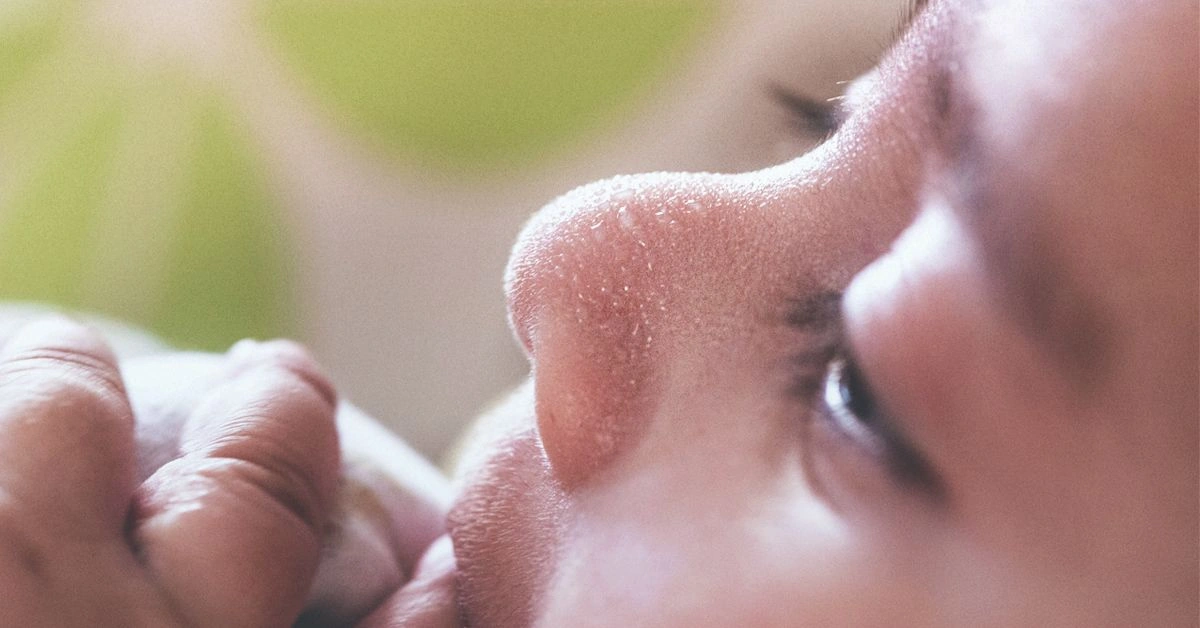
Babies can perspire just like grown-ups. And similar to adults, sweating can stem from a variety of causes. If your infant is sweaty, they might simply be overheated. Try removing a layer of clothing or tweaking the room temperature. As with adults, excessive sweating can sometimes be a sign of fever.
You’ve likely heard of hot flashes during menopause and experienced sudden warmth at points during pregnancy. But perspiration can occur at other stages too — including infancy.
If your baby wakes up warm and clammy at night, it’s natural to feel worried and wonder if that’s typical.
Relax: While sweating at night — or during the day — can affect people of any age, sweating in newborns and young infants is common.
Why does it occur? For one, a baby’s thermoregulatory system is immature and still learning how to maintain a steady temperature. Plus, infants are often dressed warmly and can become overheated, yet they can’t remove layers themselves or clearly tell you they’re uncomfortable.

Remember: You’ve got this
How many of us are told after childbirth that infants enjoy a warm, snug environment because it resembles the womb? That’s true (and one reason swaddling is so popular), but it’s easy to unintentionally overdo the coziness.
Don’t fret. Simply reduce layers if your little one is sweaty but otherwise well, and carry on. You’re doing fine.
Sometimes babies sweat across much of their body. Other times you might notice dampness in specific spots, such as the palms, soles, or scalp. This is also normal — humans naturally have more sweat glands in certain regions.
It’s worth noting that, in rare situations, sweating can indicate an underlying problem. Below we’ll review common causes of infant sweating, how to manage it, and when a pediatrician should be consulted.
(Short version: If anything concerns you, call your child’s doctor.)
Common causes of infant sweating
Here are several reasons your baby might be sweating.
Intense crying or prolonged fussiness
Crying can be physically demanding and use considerable energy (and calming a crying infant is no easy task!). If your baby is screaming hard or has been upset for a long period, they can become flushed and sweaty.
If crying is the cause, the sweating should be temporary and stop once your baby calms down.
Too many clothes or blankets
Thoughtful caregivers often bundle their infant in extra garments or blankets to prevent chill. That’s understandable!
However, if a baby is over-bundled, they can overheat, feel uncomfortable, and sweat because the skin cannot breathe properly.
In such cases, sweating may be apparent all over their body.
Very deep sleep
Newborns spend the majority of their time sleeping, though usually in short stretches of about three to four hours. That might make the phrase “sleep like a baby” seem ironic.
During sleep cycles, infants enter periods of deep sleep. In deep sleep some babies sweat a lot and may wake up damp. This is fairly frequent and typically not a cause for alarm.
Cold, fever, or infection
If your baby suddenly starts sweating more than usual, they could be developing a cold or another infection.
Fever often accompanies infection, so check your baby’s temperature. You can usually use infant acetaminophen to reduce fever and ease discomfort, but consult your pediatrician for dosing and guidance, especially if your infant is under 6 months.

Infant sleep apnea
Sleep apnea involves pauses in breathing of 20 seconds or longer during sleep. It’s very uncommon in infants but can occur, particularly in premature babies during the first months of life.
If you suspect sleep apnea, have your pediatrician evaluate your child. Signs to watch for include:
- snoring
- gasping
- sleeping with an open mouth
Sleep apnea is not a known risk factor for sudden infant death syndrome (SIDS) — a common parental worry — and many infants outgrow it. Still, it’s wise to consult a doctor if you’re concerned.
Safety note
Avoid using sleep positioners. These wedges and padded supports are intended to keep an infant’s head and body in place but are not recommended by the FDA because of suffocation and SIDS risks.
Infant hyperhidrosis
Hyperhidrosis is a disorder that causes excessive sweating even in cool conditions. Focal hyperhidrosis can affect specific areas like the hands, armpits, or feet — or several of these regions simultaneously.
There’s also generalized hyperhidrosis, which involves larger areas of the body. It’s uncommon but generally not dangerous. Often it improves as the child develops.
Hyperhidrosis can occur while awake or asleep. If a physician suspects a more serious underlying cause, they may run diagnostic tests.
Congenital heart disease
Infants with congenital heart defects may sweat frequently because their bodies are compensating by working harder to circulate blood. Experts estimate nearly 1 percent of newborns are born with congenital heart disease.
Babies with these heart issues may struggle with feedings and begin to sweat while trying to eat. Other signs can include a bluish skin tint and rapid, shallow breaths.
Why keeping baby cool matters
On a serious note, overheating (which is different from sweating itself) is a risk factor for SIDS. Thus, preventing situations that could lead to overheating is important.
Because sweating can indicate your baby is too warm, it’s a useful clue to remove layers or otherwise cool them down.
How to manage a sweaty baby
When you notice your infant is sweaty, first check whether you can change the surroundings to make them more comfortable. If environmental adjustments don’t help, consult your doctor.
Below are practical steps and considerations.
Find the cause and address it
If your baby has sweated from crying, identify their need and comfort them, then see if the sweating stops. (You’re already doing this often, we know.)
Crying might be caused by being too hot, but there could be other reasons: hunger, a dirty diaper, or wanting to be held.
Regulate room temperature
Keep your baby’s room comfortably cool to warm, not hot. The ideal sleep environment is approximately 68 to 72°F (20 to 22°C).
If you don’t have a thermometer in the nursery, consider buying a portable one. Many baby monitors also display room temperature.
If you’re unsure, ask yourself if you feel warm. If you are, your infant probably is too.

Remove extra clothes
Dress your baby in lightweight, breathable fabrics and remove layers as needed. Resist bundling them up unless it’s genuinely cold. For safety, keep blankets, quilts, and comforters out of the crib.
Watch for fever and other worrying signs
If adjusting the environment and clothing doesn’t stop the sweating, your infant might have a fever. Seek medical attention if your baby is:
- under 3 months with a rectal temperature of 100.4°F (38°C)
- over 3 months with a fever of 102°F (38.9°C) or higher
- over 3 months with a fever lasting more than 2 days
Also see a doctor if sweating is accompanied by any of the following:
- gasping or wheezing while asleep
- long pauses between breaths during sleep
- failure to gain weight normally
- difficulty feeding
- snoring
- teeth grinding
Bottom line
It’s normal for infants to sweat. In most cases there’s nothing to worry about, and a small change — like cooling the room or removing clothing layers — is enough. So try not to sweat it.
As your child matures and their temperature control improves, sweating usually decreases. If hyperhidrosis persists as they grow, your pediatrician can evaluate and offer treatment.
And as always, trust your parental instincts. If something seems off, arrange an appointment with your pediatrician.















Leave a Reply
You must be logged in to post a comment.