

Not every orange juice is created equal — some include added sweeteners or contain only a small amount of actual juice, which reduces their nutritional value. Freshly squeezed or 100% orange juice are the healthier alternatives.
Orange juice ranks as the most consumed fruit juice globally and has long been a breakfast classic.
Ads and marketing often present this beverage as entirely natural and wholesome.
However, some researchers and health professionals worry that this sugary drink could have negative health effects.
This article examines orange juice and evaluates whether it’s beneficial or harmful for your health.
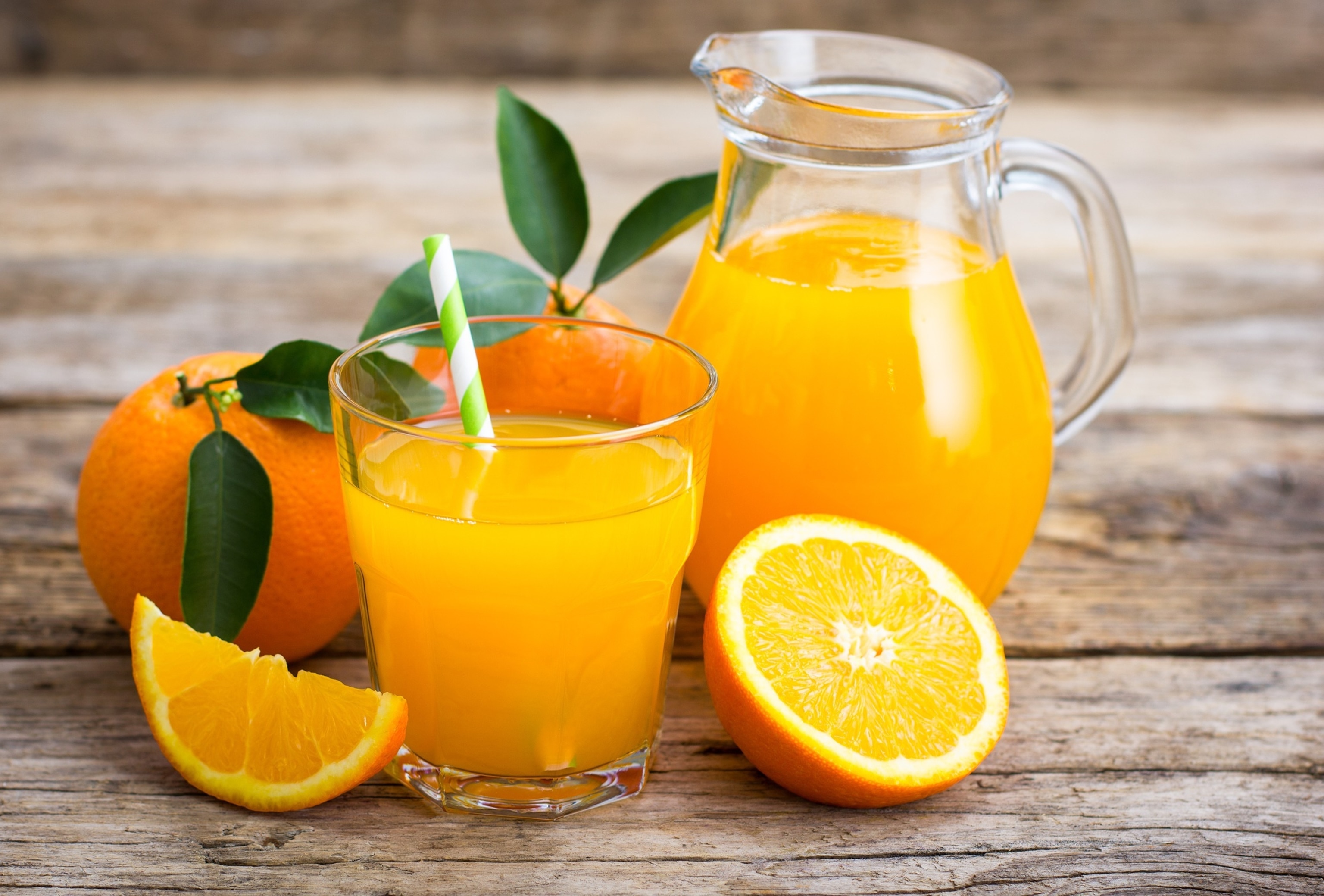
From the Orchard to Your Glass
Most commercial orange juices aren’t made by simply pressing fresh-picked oranges and bottling the liquid.
Instead, they’re manufactured through a multi-stage, tightly controlled procedure, and the juice can sit in large holding tanks for up to a year before it’s packaged.
First, oranges are cleaned and mechanically pressed. Pulp and oils are removed. The juice is heat-pasteurized to deactivate enzymes and eliminate microbes that could otherwise cause spoilage and deterioration (1, 2, 3).
Next, some oxygen is removed, which helps limit oxidative loss of vitamin C during storage. Juice intended for frozen concentrate is evaporated to remove most of the water (4).
Regrettably, these steps also strip away compounds that contribute aroma and taste. Some of these are later reintroduced into the juice using specifically formulated flavor packs (5).
Finally, before bottling, juices from oranges harvested at different times may be blended to reduce variability in quality. Pulp, which receives additional processing after extraction, is sometimes added back into certain juices (1).
Summary: Supermarket orange juice isn’t as straightforward as it seems. It goes through complex, multi-step processing and may be stored in large tanks for many months before being packaged for sale.
Orange Juice vs Whole Oranges
Orange juice and whole oranges share similar nutrients, but there are key distinctions.
Most importantly, compared with a whole orange, a serving of orange juice contains far less fiber and roughly twice the calories and carbohydrates — mainly natural sugars.
Below is a comparison of the nutritional profile of one cup (240 ml) of orange juice versus a medium orange (131 grams) — each counts as one fruit serving (6, 7, 8):
| Orange juice | Fresh orange | |
| Calories | 110 | 62 |
| Fat | 0 grams | 0 grams |
| Carbs | 25.5 grams | 15 grams |
| Fiber | 0.5 grams | 3 grams |
| Protein | 2 grams | 1 gram |
| Vitamin A | 4% of the RDI | 6% of the RDI |
| Vitamin C | 137% of the RDI | 116% of the RDI |
| Thiamine | 18% of the RDI | 8% of the RDI |
| Vitamin B6 | 7% of the RDI | 4% of the RDI |
| Folate | 11% of the RDI | 10% of the RDI |
| Calcium | 2% of the RDI | 5% of the RDI |
| Magnesium | 7% of the RDI | 3% of the RDI |
| Potassium | 14% of the RDI | 7% of the RDI |
As shown, the vitamin and mineral profiles of whole oranges and their juice are comparable. Both provide ample vitamin C — important for immune function — and a solid amount of folate — which lowers the risk of certain birth defects during pregnancy (9, 10).
However, juice would contain higher amounts of these nutrients if processing and storage didn’t cause some losses. For instance, one study found that store-bought orange juice had 15% less vitamin C and 27% less folate than juice squeezed at home (4).
Though not shown on nutrition facts panels, oranges and orange juice also contain flavonoids and other beneficial plant compounds. Some of these are diminished during processing and storage (1, 4, 11).
Moreover, one study reported that — compared with unprocessed orange juice — pasteurized juice had 26% lower antioxidant activity right after heat treatment and 67% lower antioxidant activity after about a month in storage (2).
Summary: An 8-ounce (240-ml) serving of orange juice contains roughly twice the calories and sugar of a whole orange. Vitamins and minerals are similar, but processing and storage reduce some vitamins and plant compounds in juice.
Are Some Types Healthier?
The healthiest option is juice you press at home — though it can be time-consuming. Consequently, many people choose store-bought orange juice.
The least healthy choices are orange-flavored beverages that include only a small fraction of real juice and contain additives like high-fructose corn syrup and artificial yellow dyes.
A better supermarket pick is 100% orange juice — whether made from frozen concentrate or not frozen. These two forms are comparable in nutrition and flavor (12, 13).
Retailers also offer orange juice fortified with calcium, vitamin D and other nutrients. But because juice is calorie-dense, it’s not wise to drink it solely for added nutrients. Taking a supplement is a calorie-free method to address nutrient shortfalls (14).
If you’re monitoring calories, you can find orange juice drinks marketed as having 50% fewer calories and less sugar than regular orange juice.
These reduced-calorie products contain extra water and sugar substitutes — either natural ones like stevia or artificial sweeteners such as sucralose and acesulfame potassium, which some people may wish to avoid. Ingredients are listed on the label if present.
You can also choose the pulp level in your juice. Extra pulp doesn’t contribute enough fiber to change the nutrition label compared with pulp-free juice, but it does add beneficial plant compounds, including flavonoids (13, 15).
Summary: The best store-bought option is 100% orange juice with added pulp. The worst are orange-flavored drinks with little real juice and added sugars.
Possible Benefits
Nearly 80% of Americans don’t meet the recommended daily fruit intake, which is two cups per day for the average adult. Orange juice is available year-round and offers consistent quality, making it a convenient and tasty way to help reach your fruit goal (3, 16, 17).
It’s also typically less expensive than whole oranges, so it can assist people on tight budgets in meeting daily fruit recommendations (3).
Still, experts recommend choosing whole fruit over juice when possible and advise that fruit juice should account for no more than half of your daily fruit intake — meaning no more than one cup (240 ml) per day for the average adult (8, 17, 18).
Various studies examining heart health suggest orange juice may boost antioxidant status and protect cholesterol from oxidative damage — a factor in atherosclerosis risk (19, 20, 21).
However, many of these studies are funded by groups with a stake in selling more orange juice and/or involve participants consuming larger quantities of juice, such as two cups daily or more.
Summary: Orange juice can help you meet the two-servings-per-day fruit recommendation, but it should account for no more than half of your daily fruit intake — ideally limited to one serving of juice per day.
Potential Downsides
Although orange juice is associated with certain health perks, it also has drawbacks largely related to its calorie density and its influence on blood sugar.
High in Calories
Fruit juice is less satiating than whole fruit and easy to drink quickly, which raises the chance of overeating and weight gain (18).
Moreover, research shows that consuming calorie-containing beverages, like orange juice, doesn’t necessarily lead to eating less food and may result in a higher overall calorie intake compared with not drinking the juice (22, 23, 24).
Large observational studies in adults have associated each one-cup (240-ml) daily serving of 100% fruit juice with weight gain of about 0.5–0.75 pounds (0.2–0.3 kg) over a four-year period (25, 26).
Also, when adults and adolescents consumed two cups (500 ml) of orange juice at breakfast, their post-meal fat oxidation dropped by 30% compared with drinking water. This effect may be partially due to sugary juice stimulating fat synthesis in the liver (27).
Of particular concern are orange juice’s effects in children, who are the largest consumers of juice and juice drinks (18).
Sugary beverages like orange juice can contribute to excess calorie intake in kids and increase the risk of tooth decay. Diluting orange juice may lower calorie intake but doesn’t necessarily reduce dental risk (18).
May Raise Blood Sugar Levels
Orange juice may raise blood sugar more than eating whole oranges.
The glycemic load — a measure of how carbohydrate quality and quantity affect blood sugar — ranges from 3–6 for whole oranges and 10–15 for orange juice.
The higher the glycemic load, the more likely a food will increase blood sugar (28).
To offset some of these disadvantages, researchers have explored adding orange pomace — fiber- and flavonoid-rich leftovers from the segments, broken pulp and core — back into juice.
Early human trials indicate that adding pomace to orange juice may lower its blood sugar impact and increase feelings of fullness (29, 30, 31).
However, further research is required, and pomace-enhanced orange juice isn’t widely sold at stores yet.
Summary: Orange juice is not very filling and may lead to excess calorie consumption and weight gain. It can also raise blood sugar more than whole fruit and increase the risk of dental cavities.
The Bottom Line
Although similar nutritionally to whole oranges, orange juice offers very little fiber but about twice the calories and sugar.
It can be a convenient way to meet your recommended fruit intake but may cause blood sugar spikes and contribute to weight gain.
Limit intake to no more than 8 ounces (240 ml) per day.
When possible, choose whole oranges over juice for better satiety and fiber.





















Leave a Reply
You must be logged in to post a comment.