
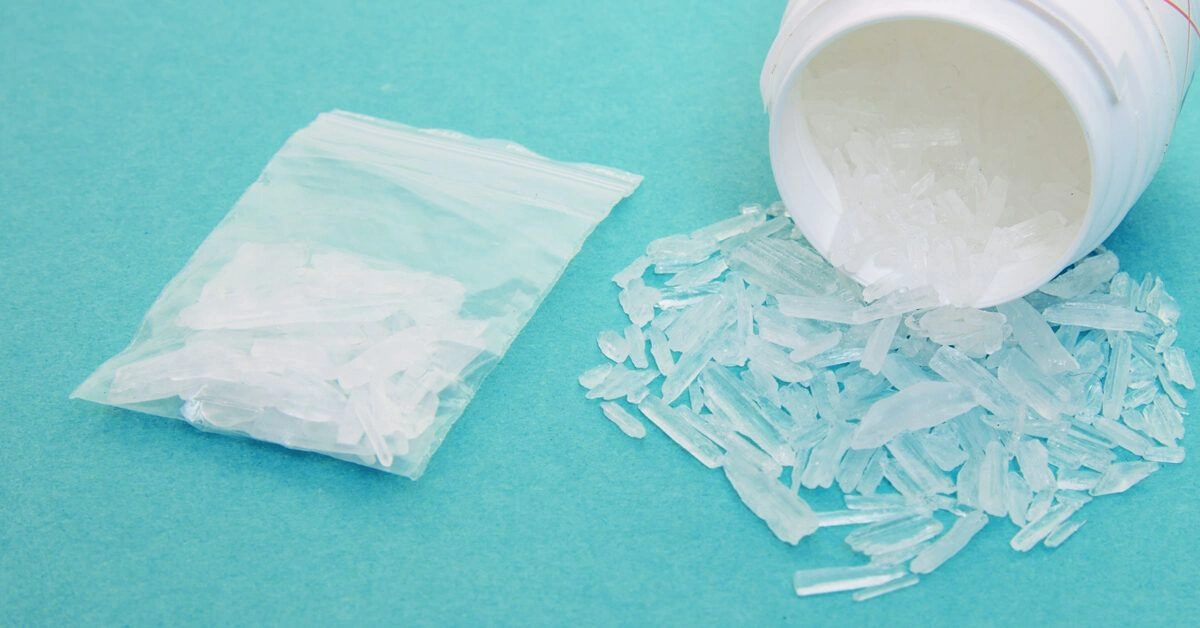
Mouth ulcers can be a consequence of meth use. While treatment can ease these sores, they may also start to improve after you stop using meth.
Methamphetamine — commonly called meth — is a potent stimulant. It triggers your sympathetic nervous system, raising your heart rate and producing a burst of energy.
This stimulation can produce a range of short- and long-term effects, from intense euphoria and reduced appetite to hallucinations.
One frequently reported complication of meth is mouth ulcers. These open lesions develop on soft oral tissues such as the gums and tonsillar area and are often painful. They can also make speaking and eating more uncomfortable.
Below, we explain why meth can cause mouth ulcers and what you can do to treat them.
Symptoms of meth-related mouth ulcers
Mouth ulcers caused by meth may look like other kinds of mouth sores.
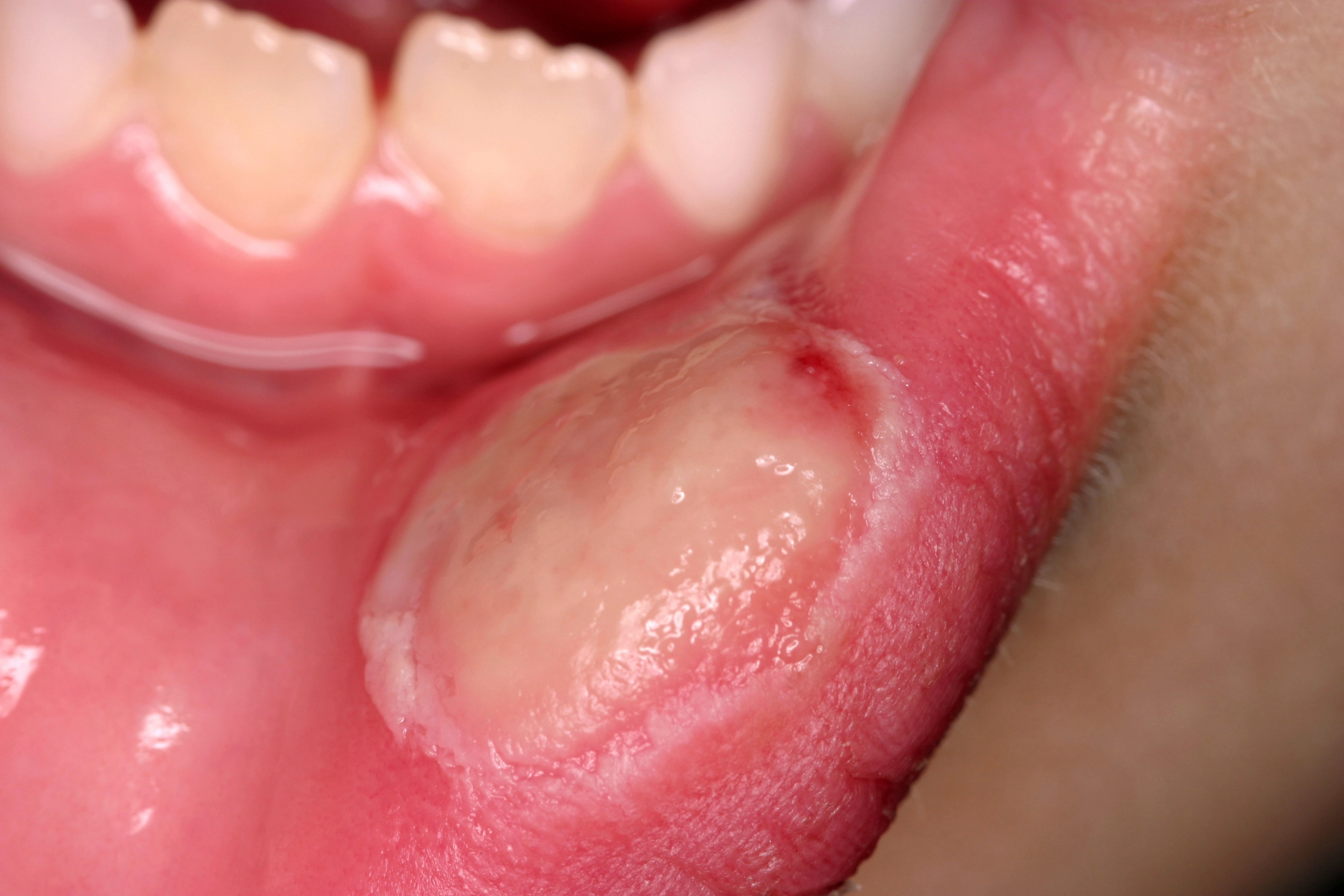
By definition, ulcers form inside the mouth. They commonly show up:
- on the inner surfaces of the cheeks and lips
- on the floor of the mouth beneath the tongue
- on the gums and tongue
In rare cases, they may occur on the roof of the mouth.
Mouth ulcers often start as white or yellowish bumps, then break down after a few days into shallow wounds. Surrounding tissue may appear red, swollen, or veiny.
Most ulcers are under 5 millimeters across — smaller than a pencil eraser — and typically form in groups of one to five. An oval ulcer larger than a centimeter could indicate oral tissue necrosis and requires urgent medical evaluation.
Mouth ulcers can be quite painful. You may feel a burning or stinging sensation a day or two before the sore is visible, especially when your teeth or tongue contact the area. This discomfort can interfere with eating, drinking, and talking.
Are mouth ulcers contagious?
Ulcers in the mouth are generally not contagious. However, bacteria, viruses, or fungi present in ulcers can be transferred to a meth pipe.
If you share a pipe with someone who frequently uses meth, their immune system may be less able to fight infections, increasing the risk of spreading pathogens.
What causes these ulcers?
Meth can lead to mouth ulcers through several mechanisms.
Dry mouth
About 72% of people who use meth report dry mouth.
Whether smoked, snorted, or injected, meth activates the sympathetic nervous system. This signals your body that it’s time for fight-or-flight rather than eating, so saliva production falls and dry mouth results.
Saliva does more than moisten the mouth — it neutralizes acids and helps protect oral tissues. With reduced saliva, acids in everyday foods and beverages can damage the mouth. Smoking meth introduces acidic chemicals that may also promote ulcer formation.
Meth can lower the pH of saliva, so the reduced saliva that remains is less effective at neutralizing acids.
Infection
Sustained sympathetic activation diverts resources from immune function, so chronic meth use can weaken oral defenses.
Oral thrush is a common infection linked to meth. It occurs when the yeast Candida albicans overgrows in the mouth, leaving painful sores and fuzzy white patches on the tongue and cheeks.
Burns
Smoking meth exposes the mouth to hot vapors and chemicals that can burn sensitive tissues and create ulcers. A hot pipe can also cause thermal burns, especially around the lips.
Friction
Meth use is often associated with teeth grinding and increased tongue movement, which can lead to accidentally biting or abrading the cheek lining and forming an ulcer.
Additionally, meth constricts blood vessels in the mouth, so damaged tissue may take longer to heal.
How long do these ulcers last?
Healing time varies by cause:
- Minor sores from burns, friction, or dry mouth often heal on their own within 10 to 14 days.
- Larger ulcers may persist for up to 6 weeks and could need medical care.
- Sores from oral thrush usually resolve after 1 to 2 weeks of antifungal therapy; untreated lesions may last longer.
Ongoing meth use can delay healing and create new ulcers as old ones heal. The only reliable way to prevent recurring meth-related ulcers is to quit meth.
Relieving dry mouth symptoms can greatly reduce the risk of new ulcers — and you may see oral improvements soon after stopping meth.
For instance, a small 2022 study found that saliva production and pH improved notably within 4 days after stopping meth, with further gains by 30 days.
Treatment options
To address mouth sores, your clinician may recommend some of the following:
- Topical anesthetics: Over-the-counter pain relievers such as benzocaine (Orajel) come in gels or sprays to numb the ulcer.
- Topical steroids: If anesthetics are insufficient, steroid pastes or tablets can help reduce inflammation and soreness.
- Antimicrobial rinses: Mouth rinses can help control infection; some are available OTC while others require a prescription.
- Oral moisturizers: Artificial saliva products can temporarily replace lost saliva and are available over the counter.
- Saliva stimulants: Pilocarpine (Salagen) is a prescription that stimulates salivary glands; for meth-related dry mouth, dosing may be 2 to 6 times daily. Your prescriber will give exact instructions.
Severe ulcers might need more aggressive treatment. Clinicians may cauterize the lesion or close it with medical adhesives to promote healing.
Home care
In addition to medical therapy, try these home measures to support healing:
- Avoid acidic foods and beverages that can irritate ulcers.
- Stay well hydrated to help saliva production.
- Rinse your mouth with saltwater or use a saline rinse from the pharmacy.
- Apply a warm, wet bag of chamomile tea as a compress for a few minutes to help reduce inflammation.
If you’ve noticed a persistent tingling or irritation in your mouth that could be related to drug use, you might also find useful information on itchy mouth.
Getting support
The health professional treating your ulcers will likely advise you to stop using meth.
If you want to stop, you don’t have to do it by yourself. Professional support options include:
- Medically supervised treatment: During withdrawal, symptoms such as dry mouth or bruxism may temporarily worsen. Medically managed detox allows clinicians to monitor and help you through withdrawal.
- Therapy: Behavioral therapies can address coexisting mental health conditions like depression while treating meth use.
- Support groups: These groups let you connect with others who are quitting or have quit meth and share strategies and encouragement.
- Inpatient rehab: Residential treatment programs provide structured care that typically includes detox, therapy, and group support.
Need help finding services? The Substance Abuse and Mental Health Services Administration offers a behavioral health treatment locator to search for local resources.
Key takeaways
Meth can reduce saliva flow, weaken oral immunity, and directly harm mouth tissues — all of which can produce painful mouth ulcers that interfere with swallowing and speech.
Treatments and home care can help ulcers heal, but the most effective way to prevent recurrence is to stop using meth.





















Leave a Reply
You must be logged in to post a comment.