
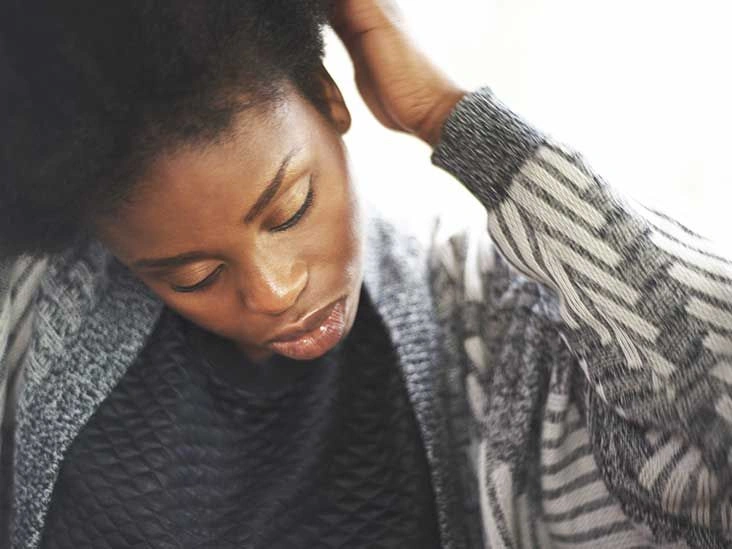
Dandruff and dry scalp share common signs — falling flakes and an itchy head — yet they are distinct problems. Dandruff is often controllable with targeted shampoos and haircare products.

Dry scalp results from insufficient moisture in the skin, whereas dandruff arises from an overabundance of oil on the scalp and an overgrowth of Malassezia yeast.
With a dry scalp, the skin becomes irritated and peels off. With dandruff, excess oil and yeast cause skin cells to accumulate and then slough away. Identifying which condition you have helps you choose the correct treatment and eliminate flakes effectively.
Causes of dry scalp
Dry scalp happens when the skin lacks adequate moisture, leading to irritation and flaking. If your scalp is dry, other areas of your skin, like your arms and legs, may also be parched.
Dry scalp can also be precipitated by factors such as:
- exposure to cold, dry air
- contact dermatitis (a reaction to products applied to the scalp, like shampoos, styling gels, or hairsprays)
- advancing age
- using products that strip the skin of its natural oils
Causes of dandruff
The skin cells on your scalp and body normally renew when needed, then die and shed. This turnover happens routinely or more rapidly when inflammation is present.
With dandruff, scalp skin cells shed faster than normal.
The leading cause of dandruff is seborrheic dermatitis, a condition that makes the skin oily, red, and scaly. The white or yellowish scales flake off and form dandruff.
Seborrheic dermatitis can occur wherever oil glands exist, such as the eyebrows, groin, armpits, chest, upper back, ears, and along the sides of the nose. In infants, it’s known as cradle cap.

Often, a fungus named Malassezia is involved in causing dandruff. This fungus normally inhabits the scalp — but when it overgrows, it prompts rapid skin cell production and flaking.
Factors that can encourage Malassezia to proliferate include:
- age
- hormonal influences
- stress
- underlying health issues
Unclean hair by itself does not cause dandruff, but infrequent washing can let oil build up and contribute to flaking.
How to tell dandruff from dry scalp
One method to distinguish dry scalp from dandruff is to observe the flakes. Dandruff flakes tend to be larger and appear oily. In infants with cradle cap, the scalp may look scaly or crusted.
Dry skin flakes are smaller and more powdery. Your scalp may itch, but it typically won’t show the inflammation that can accompany dandruff.
Symptoms compared: dandruff vs. dry scalp
Below is a side-by-side comparison of common symptoms for each condition:
| Dandruff | Dry scalp | |
| Oily, large flakes that are yellow or white | ✓ | |
| Smaller, dry flakes | ✓ | |
| Itchy scalp | ✓ | ✓ |
| Oily, red, scaly skin | ✓ | |
| Dry skin on other parts of your body | ✓ |
When to see a doctor
Most cases of dandruff can be managed at home with an over-the-counter dandruff shampoo.
If you’ve used one for about a month without improvement or your flakes worsen, schedule a visit with a dermatologist. You could have another skin disorder that requires treatment.
A clinician can determine whether you have dandruff by examining your scalp and hair. They can exclude conditions such as eczema and psoriasis, which may also produce flaky scalp skin.
Treatment options
For dry scalp, use a mild shampoo and follow with a hydrating conditioner.
A simple test to differentiate dry scalp from dandruff is to apply a lightweight moisturizer to your scalp before bed. If dryness is the issue, flakes should vanish after you wash your hair the next morning.
Some stylists offer scalp treatments using steam to infuse moisture into the scalp. If your scalp is dry, inquire about this at your next hair appointment.
Dandruff shampoos
For mild dandruff, washing daily with a gentle shampoo can reduce excess scalp oil. If dandruff is more pronounced or a regular shampoo fails, try a medicated dandruff shampoo.
Most medicated shampoos include agents that kill the scalp fungus or remove built-up skin. Examples include:
- Pyrithione zinc (Head and Shoulders): An antifungal ingredient that eradicates the fungus responsible for flaking. Pyrithione zinc formulations are gentle enough for daily use.
- Selenium sulfide (Selsun Blue): Reduces fungus levels and prevents excessive skin cell shedding. If you have light-colored hair or dye your hair, consult a professional first because it may alter hair color.
- Ketoconazole (Nizoral): An antifungal that eliminates dandruff-causing fungus; available OTC or by prescription.
- Salicylic acid (Neutrogena T/Sal): Helps lift extra scales from the scalp before they flake, though it can dry the skin and potentially increase flaking.
- Coal tar (Neutrogena T/Gel): Slows the growth and shedding of scalp skin cells. Tar-based shampoos can also affect hair color in blond or gray hair.
Tea tree oil as an option
Shampoos that include tea tree oil are a natural alternative for treating dandruff. Tea tree oil has antifungal properties and some research suggests it can help with dandruff.
However, tea tree oil can cause allergic reactions in some people, so consult a doctor before trying it. Discontinue use if you notice redness or swelling.
Whatever dandruff shampoo you choose, follow the product instructions carefully. If you’re uncertain which one to use or how often, ask a doctor or pharmacist. You may need to try several products to find one that works.
Once symptoms improve, you may be able to reduce how often you use the medicated shampoo. For persistent dandruff, a doctor can prescribe stronger options, topical steroids, or topical antifungals.
Prevention tips
To control dandruff, wash your hair regularly with an antidandruff shampoo and rinse thoroughly.
Avoid hair products with harsh chemicals such as bleach or alcohol, which can dry the scalp. Also steer clear of greasy products that can accumulate on the scalp.
Spending a bit of time in sunlight each day may help; there is some evidence that ultraviolet (UV) exposure can reduce dandruff. Don’t overdo sun exposure, though, because of the risk of skin cancer.
Reducing stress may also assist in managing dandruff. Techniques like meditation, yoga, and deep-breathing exercises can help lower stress levels.
Key takeaways
Dandruff cannot be permanently cured, and many people will need long-term management. Flakes tend to come and go.
Using a medicated shampoo can control dandruff and relieve itching and flaking. If you’re struggling to manage symptoms, consult your doctor for further guidance.
















Leave a Reply
You must be logged in to post a comment.