
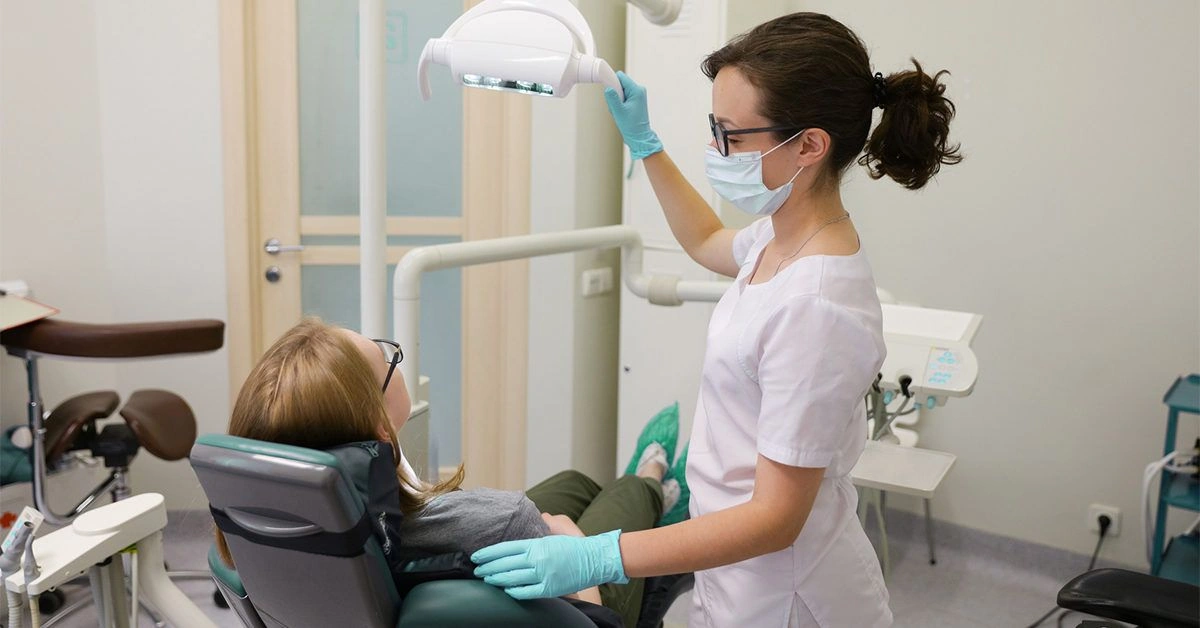
You may have heard that you should avoid chewing on the side of a dental filling for at least 24 hours after a cavity is repaired.
Still, your dentist will provide tailored guidance on when and what you can eat following the filling procedure.
The required wait time can depend on the type of filling used. Below are practical recommendations for eating after a tooth has been filled.

The kind of filling can change how long you should wait
How long you should wait before chewing may vary according to the material used for your filling.
- Amalgam (silver) filling. Amalgam fillings usually take around 24 hours to fully harden and reach their maximum strength. Dentists typically advise waiting at least 24 hours before chewing on the side that received the filling.
- Composite (white/tooth-colored) filling. Composite fillings cure instantly when a dentist applies a blue curing light. In most cases you can eat as soon as you leave the dental office. However, if your mouth is still numb, your dentist may suggest waiting at least 2 hours before chewing on the treated tooth.
Other factors that influence eating after a filling
Beyond allowing the filling to set, several other factors can affect your eating after the procedure, including:
Local anesthetic
Most dentists use a local anesthetic to keep you comfortable during the filling.
Eating before the numbness wears off could lead to accidentally biting your tongue, cheeks, or lips. Numbness generally fades within 1 to 3 hours.
Postoperative discomfort
It’s common to feel some soreness after a filling, which may reduce your appetite or willingness to eat.
Your dentist may recommend over-the-counter pain relievers such as ibuprofen to ease discomfort.
Gum tissue irritation
The gum tissue around the tooth being repaired can become irritated during the procedure, causing soreness. This might make chewing on that side uncomfortable for a few days.
Rinsing with warm salt water (about 1/2 teaspoon salt dissolved in 1 cup of warm water) can help soothe the gums.
Increased sensitivity
Teeth often react to hot and cold for several days to a couple of weeks after a filling.
Your dentist will likely advise avoiding extremely hot or cold foods and drinks. If sensitivity persists beyond a few weeks, contact your dentist.
Altered bite
Occasionally your bite may feel different after a filling, as if your teeth don’t meet the same way they used to.
If this sensation doesn’t resolve within a few days and your bite still feels uneven, call your dentist so they can adjust the filling for a normal bite.
Practical tips for eating after a filling
Most people have some degree of tenderness after a tooth is filled. Here are some useful tips to reduce discomfort:
- Bite and chew gently. Your jaw can exert significant force, and biting down hard after a filling may cause pain. Try not to bite all the way through food and chew carefully on the side opposite the new filling.
- Avoid hard foods. Hard candies, nuts, ice, and other tough foods can cause pain by placing excessive pressure on the teeth. Biting hard items can also dislodge a new silver filling that hasn’t fully set.
- Avoid sticky foods. Sticky foods consumed too soon after a filling can pull at a new filling. This is uncommon and more likely with amalgam than composite fillings.
- Take your time. Eating slowly helps prevent biting down too hard and reduces the chance of chewing on the side with the fresh filling.
- Avoid sugary foods. Sugary items and drinks can aggravate sensitivity and encourage bacterial growth around the new filling.
- Avoid very hot and cold food and beverages. Consuming items at moderate temperatures lowers the risk of triggering sensitivity.
- Chew with your mouth closed. If teeth are temperature-sensitive, even cold air can cause discomfort. Keeping your mouth closed reduces exposure to cold air.

Takeaway
You can eat after receiving a filling, but the type of filling usually determines how soon you should.
Amalgam (silver) fillings typically require a longer wait than composite (white) fillings; an amalgam filling may need about 24 hours to fully harden.
After a filling, your dentist will advise you on:
- how long to wait before eating
- when it’s safe to use the filled tooth for chewing
- which foods and drinks to avoid (sugary, hard, very hot or cold, sticky, etc.)





















Leave a Reply
You must be logged in to post a comment.