

If coughing causes back pain, consider contacting your healthcare provider to determine whether you have a persistent cough or an underlying medical condition.
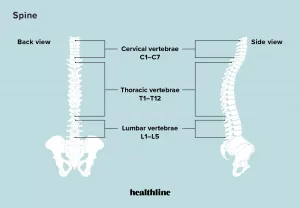
Your spine moves in concert with upper-body motion, including during a cough. When you cough, your shoulders often lift and your torso may bend forward. Because coughing alters your body’s positioning, it can trigger discomfort in your back.

The forward movement associated with coughing also affects the lower spine. Pain in the lower back can radiate into the hips and legs. Such pain often indicates a problem originating in the lower back.
Causes of lower back pain when coughing
In some cases, chronic coughing itself can produce back pain. Repeated coughs strain the back muscles and may cause them to contract more than usual. When coughing is not chronic, though, the discomfort is most frequently caused by an existing back condition.
Lower back discomfort can stem from many sources. Common causes include:
- Herniated disc. Discs cushion the vertebrae in your spine. A herniated (ruptured or slipped) disc occurs when the softer center bulges out toward the tougher outer portion.
- Muscle strain. A strain affects muscles or tendons. In the back, a muscle or tendon may be pulled, torn, or overstretched.
- Muscle sprain. A sprain involves ligaments that connect bones at a joint. With a sprain, these ligaments become stretched or torn.
- Muscle spasm. Spasms and cramps occur when a muscle cannot relax after contracting. They can last seconds to more than 15 minutes and may cause visible twitching. The affected muscle can also feel unusually firm or appear altered.
Preventing lower back pain when coughing
Try to preserve a natural curve in your spine while coughing instead of bending forward. Keeping your shoulders relaxed and lowered (imagine moving them away from your ears) can help reduce tension in your back during a cough.
Placing a hand on a firm surface such as a table or countertop when you cough can prevent excessive compression of the spine.
Why your lower back hurts and what you can do
Many factors can cause lower-back pain when coughing. Some are simple to address, while others require medical evaluation. Below are frequent causes of back pain and suggestions for relief:
Replace your mattress
If your mattress is older than 5 to 7 years, consider buying a new one. Try a firmer or softer option depending on what supports your back best. Signs of an aging mattress include sagging in the center or where you typically lie.
Reduce stress
Both physical and emotional stress can produce bodily tension. If stress stems from frequent coughing, focus on relaxing rather than fighting each cough. For emotional stress, methods like deep-breathing, journaling, and self-care can help lower tension.
Use lumbar support while sitting
Many occupations require prolonged sitting. When seated, it’s common to lean toward a screen or other focal point. Before your back becomes painful, stand up and move periodically. Standing occasionally and using an ergonomic chair and workstation can relieve strain.
When seated, keep your back against the chair. Your elbows should form about a 75- to 90-degree angle at a desk, and your feet should rest flat on the floor. Use a footrest if your feet don’t reach the floor.
Wear supportive footwear
Your feet support your legs and, in turn, your back. Ill-fitting or unsupportive shoes can add strain to your spine. Choose shoes with appropriate arch support and a proper fit; walk around in them to assess comfort and check for cushioned soles.
Exercise safely
Overuse injuries may occur when exercise intensity increases too quickly or when exercises are done improperly. To prevent overuse, increase activity levels gradually and use correct techniques and equipment.
Improve your posture
When walking, keep your gaze forward and your head aligned over your spine. Avoid rounded shoulders and step from heel to toe. Certain strengthening and stretching exercises can also help correct posture.
Warm up and stay hydrated before activity
Always warm up and stretch before physical exertion. Drink adequate fluids and avoid very hot conditions. Otherwise, you may suffer muscle spasms that lead to back pain during movement, including when coughing.
Receive training to prevent workplace injuries
Jobs involving frequent lifting, bending, pulling, or pushing can put your back at risk. Ensure you receive training on safe techniques and consider adjusting your workspace to lessen or avoid back strain.
Manage prior back injuries
If you’ve had a previous back injury, your risk of recurrence may be higher. Collaborate with your physician to maintain spinal health through targeted exercises and awareness of warning signs.
Other treatment options
Treatments for back pain related to coughing can include transcutaneous electrical nerve stimulation (TENS), physical therapy, massage, acupuncture, prescription medications, and back braces or belts.
When to see a doctor
See your healthcare provider if your back pain does not improve within two weeks.
Seek prompt medical attention if your back pain is accompanied by any of the following:
- constant pain that worsens at night
- fever
- loss of bladder or bowel control
- numbness, weakness, or tingling in one or both legs
- pain after a trauma, such as a fall
- throbbing abdominal pain
- unexplained weight loss
Also consult your doctor if you have a chronic cough. Identifying and treating the cause of persistent coughing can significantly reduce discomfort and improve overall health.
Treat both your back and your cough
If coughing causes back pain, there is likely an underlying spinal issue that needs attention. The posture your body adopts while coughing can exacerbate back symptoms. Work with your healthcare provider to determine the cause of your back pain, and see a doctor if you have ongoing coughs.





















Leave a Reply
You must be logged in to post a comment.