
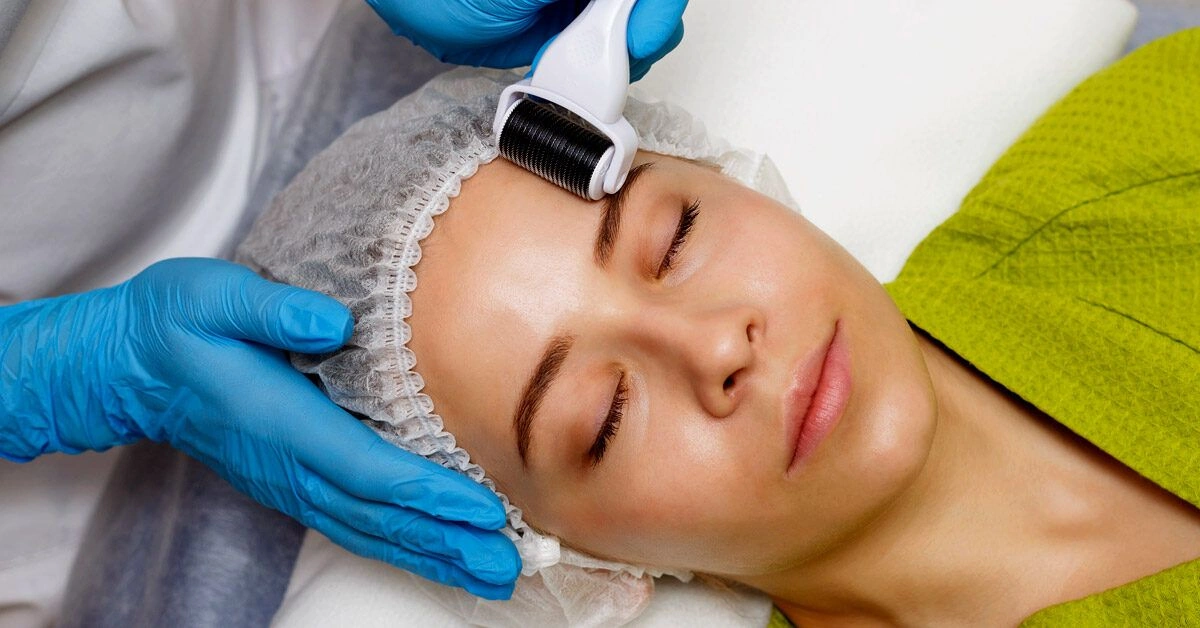
Microneedling sessions typically range from $200 to $700 per treatment. While the number of visits varies, most people require three to six treatments to achieve the best outcome. That means your total expense can fall anywhere between $600 and $4,200.
Because microneedling is usually viewed as a cosmetic procedure, it’s rarely covered by health insurance. As a result, you’ll likely pay out of pocket. Some providers may offer payment plans to spread out the cost, but availability differs by clinic.
Keep in mind these figures are averages. The exact price for microneedling depends on:
- how extensive your treatment is
- which provider you choose
- your geographic location
- how many follow-up sessions are necessary
- whether you need to miss work
Many clinics provide a complimentary consultation to review your goals and the projected costs.
Continue reading to see how these expenses are typically distributed so you can estimate what to expect from your provider before scheduling your first appointment.
The technique influences total cost
There isn’t a single set price for microneedling. Your final bill is influenced by several elements, including the technique, location, and clinician.
At-home or cosmetic sessions
Nonmedical microneedling can be performed at home without a clinician’s assistance. This approach uses a handheld device known as a derma roller that you pass over the skin.
These home devices are most useful for treating fine lines and other superficial concerns. Needle length dictates how frequently you should use the device.
An at-home derma roller usually costs between $15 and $140, depending on added features.
With topical serums
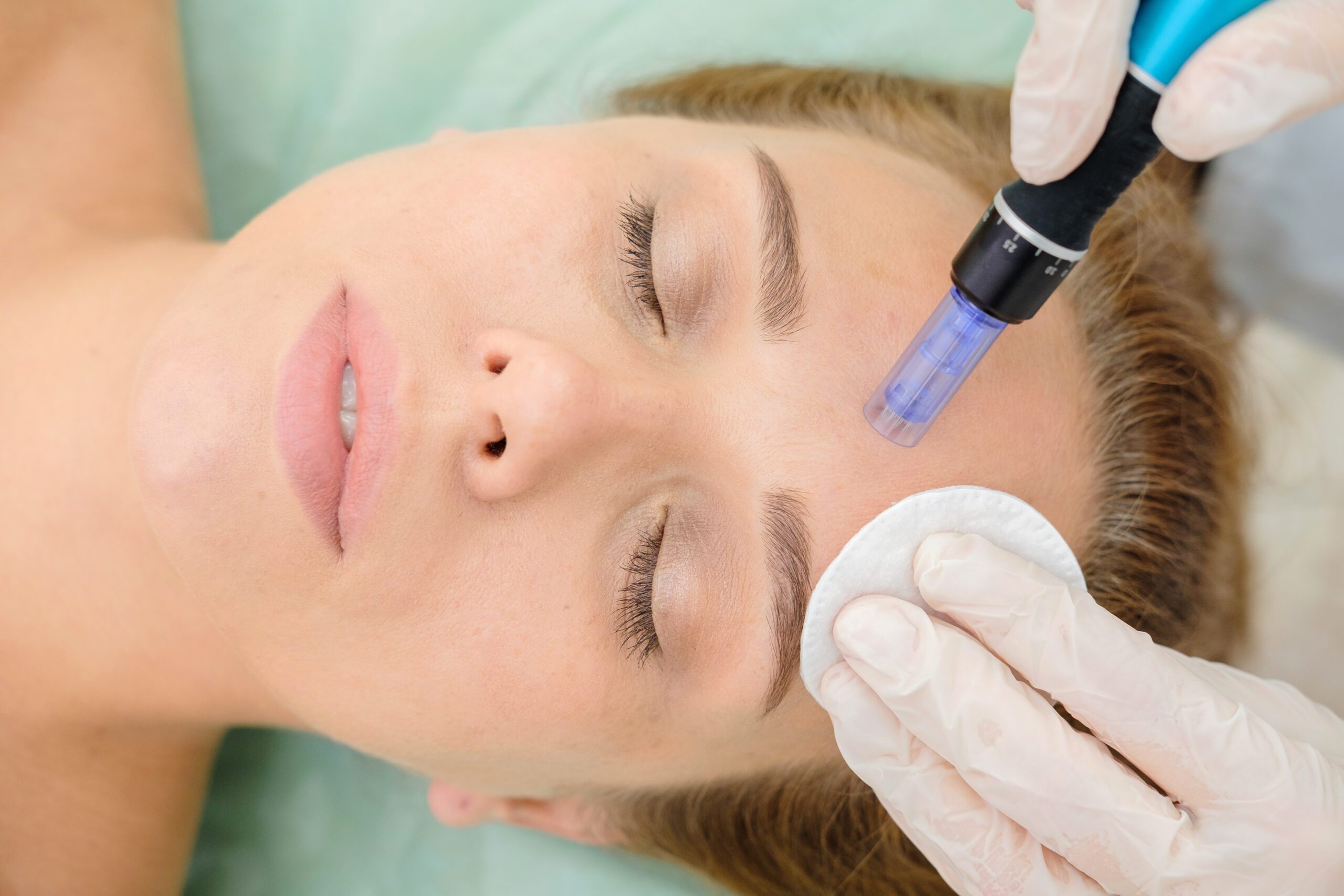
Topical serums like hyaluronic acid are sometimes combined with microneedling to enhance anti-aging effects for wrinkles. Microneedling paired with a serum can be as low as $240 per treatment, typically delivered in a series of at least three sessions spaced a few weeks apart.
With added radiofrequency
Combining microneedling with radiofrequency uses electromagnetic energy to address scarring. Most people need at least four sessions spaced about six weeks apart for the best outcome. Scar-focused treatments generally cost more, and radiofrequency-enhanced microneedling can average around $1,525 per session.
With platelet-rich plasma (PRP)
Some clinicians combine microneedling with PRP injections to further stimulate skin repair and tightening. PRP is commonly used to address wrinkles, scars, and signs of aging.
This combo often runs about $750 per session. For optimal outcomes, you may need three to six treatments spaced a few weeks apart.
PRP procedures are sometimes promoted under the term “vampire facial.” That name is trademarked and may only be used by providers who have completed specific training and use authorized products associated with the trademark holder.
Treated surface area affects price
The cost of microneedling tends to vary more with the method used and the total surface area treated than by the exact body part. This is especially true when serums or PRP are included.
Larger treatment areas require more time and products, which typically increases the price.
The official Dermapen site suggests that facial treatments are often the least expensive, averaging around $300 per session.
This therapy is frequently used for skin issues related to collagen loss, including:
- acne scarring
- enlarged pores
- fine lines and wrinkles
- stretch marks
- sunspots (age spots)
- uneven skin texture
Microneedling can also be done on other body regions to address:
- depressed or flat scars
- rough texture
- loss of skin elasticity
Remember: the larger the area treated, the greater the likely cost.
Accounting for recovery time
Recovery after microneedling is relatively brief, but it can still affect your budget.
According to Emory Aesthetic Center, a microneedling appointment lasts roughly 30 minutes. If a topical numbing agent is applied beforehand, expect an additional approximate 30-minute wait for it to take effect.
After the procedure, your clinician will put on a soothing solution to help minimize redness and irritation.
Because microneedling is minimally invasive and nonsurgical, you usually don’t need to take time off work. Still, appointments can last a couple of hours. You may choose to take the day off and return the next day, or at minimum, take a half day.
Redness typically subsides within a few days and you can usually wear makeup if desired. If redness is a concern, consider taking a few days off after each session or scheduling treatments on a Friday to use the weekend for recovery if you work a Monday–Friday schedule.
Factor the potential need for paid time off into your microneedling budget if applicable.
Factoring in maintenance and long-term costs
Microneedling is not usually a one-time fix.
Full treatment often spans about nine months, with three to six sessions spaced every two to six weeks to achieve complete results. The exact frequency and number depend on the method, area treated, and specific skin concern.
Results are not always permanent. You’ll likely need periodic maintenance treatments. Microneedling for scars may require touch-ups every six months, whereas other indications may need treatment about once a year. Maintenance sessions usually cost the same per visit as the initial treatments.
Ways to lower or manage the expense
Because microneedling is commonly paid out of pocket, you might qualify for insurance reimbursement if your provider deems the treatment medically necessary.
Individuals with scars from traumatic injuries or surgical procedures may be eligible. Check with your insurance company for details.
Many clinics provide payment plans or financing options. For instance, some accept CareCredit, a healthcare-focused credit card. You’ll need to apply in advance; unless you pay the balance within any promotional period, monthly interest may apply.
When adding extras, your clinician may provide a discount. Product manufacturers sometimes run rebates that reduce out-of-pocket costs.
Some clinics offer lower per-session rates for membership plans or “package” pricing, where you prepay for a set number of sessions at a reduced total price. In certain cases, paying for all sessions upfront might make the final visit complimentary. It’s worth asking about package options.
You can also buy some microneedling devices yourself. The Dermapen brand notes their devices can be purchased for roughly one-third of the clinic cost. However, this approach carries significant risk: complications or side effects may end up costing more than professional care. Verify that any device you buy is cleared by the U.S. Food and Drug Administration to ensure quality and safety.
Microneedling versus laser resurfacing costs
Both microneedling and laser resurfacing aim to correct skin concerns, but microneedling is generally less invasive and has fewer side effects. Below are key differences to consider with your dermatologist.
| Microneedling | Laser skin resurfacing | |
| Procedure type | minimally invasive; no surgery required | more invasive; may cause scarring (especially ablative lasers) |
| Total expected costs | between $600 and $4,200, with an average of $200 to $700 per session | between $2,000 and $4,000 total, or about $1,031 to $2,330 per session |
| Number of treatments needed | 3 to 6 sessions spaced 2 to 6 weeks apart; maintenance as needed | 1 session for ablative lasers; 3 to 4 monthly sessions for nonablative lasers (may require follow-ups) |
| Expected results | full results may appear in 6 to 9 months; not always permanent; maintenance may be required | permanent for ablative lasers; nonablative lasers may need maintenance |
| Covered by insurance | no | no |
| Recovery time | 2 to 3 days per session | 2 to 3 weeks for ablative lasers; around 3 days for nonablative sessions |
















Leave a Reply
You must be logged in to post a comment.