
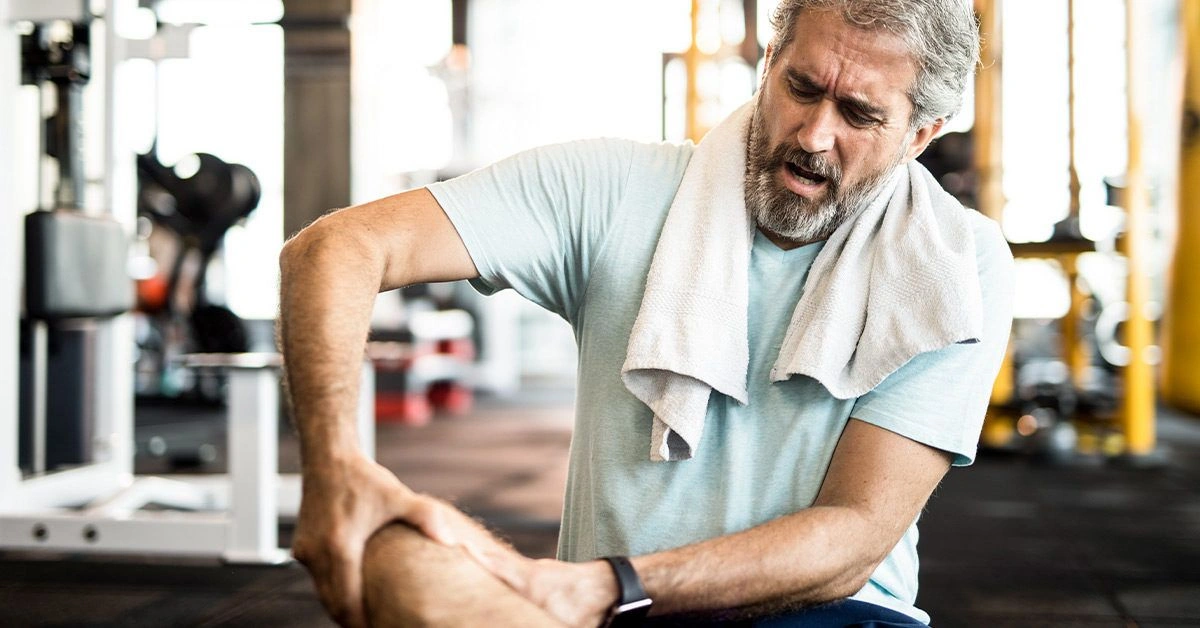
If bending your knee causes discomfort, it could signal an injury or another medical issue. Depending on what’s causing it, the pain can vary in location and severity.
Your knees flex many times each day. That motion is essential for normal tasks, such as climbing stairs or sitting down. You also bend your knees during exercises like squats and lunges.
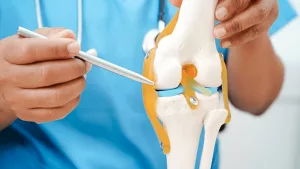
The cumulative wear of daily life can affect your knees. The joint includes multiple ligaments, tendons, muscles, and bones. When any of these parts are problematic, you may experience pain when bending your leg.
Some sources of knee pain are minor and manageable at home. Others need professional care. Below, we review common reasons for knee pain during bending and when to consult a physician.
What causes knee pain when bending?
There are many possible reasons for knee pain with bending. These include:
- patellofemoral syndrome, producing a dull ache in the front of the knee
- patellar tendonitis, causing a burning sensation and pain at or below the kneecap
- iliotibial (IT) band syndrome, which may lead to burning pain on the outside of the knee that radiates to the hip or thigh
- hamstring tendonitis, which brings pain behind the knee and in the thigh
- quadriceps tendonitis, causing discomfort above or in front of the knee
- knee bursitis, which can produce swelling, warmth, and tenderness over or beneath the knee
- osteoarthritis, often causing widespread knee pain, swelling, and morning stiffness
- injury or trauma to the knee joint or ligaments, which may cause sharp pain, swelling, and limited movement
- Baker’s cyst, which can create tightness and swelling behind the knee
The specific area of your knee that hurts can help identify the cause. Notice if you experience:
Pain behind the knee when bending
Pain at the back of the knee while bending is often related to:
- hamstring tendonitis
- Baker’s cyst
- ACL injury
- PCL injury
- meniscus tear
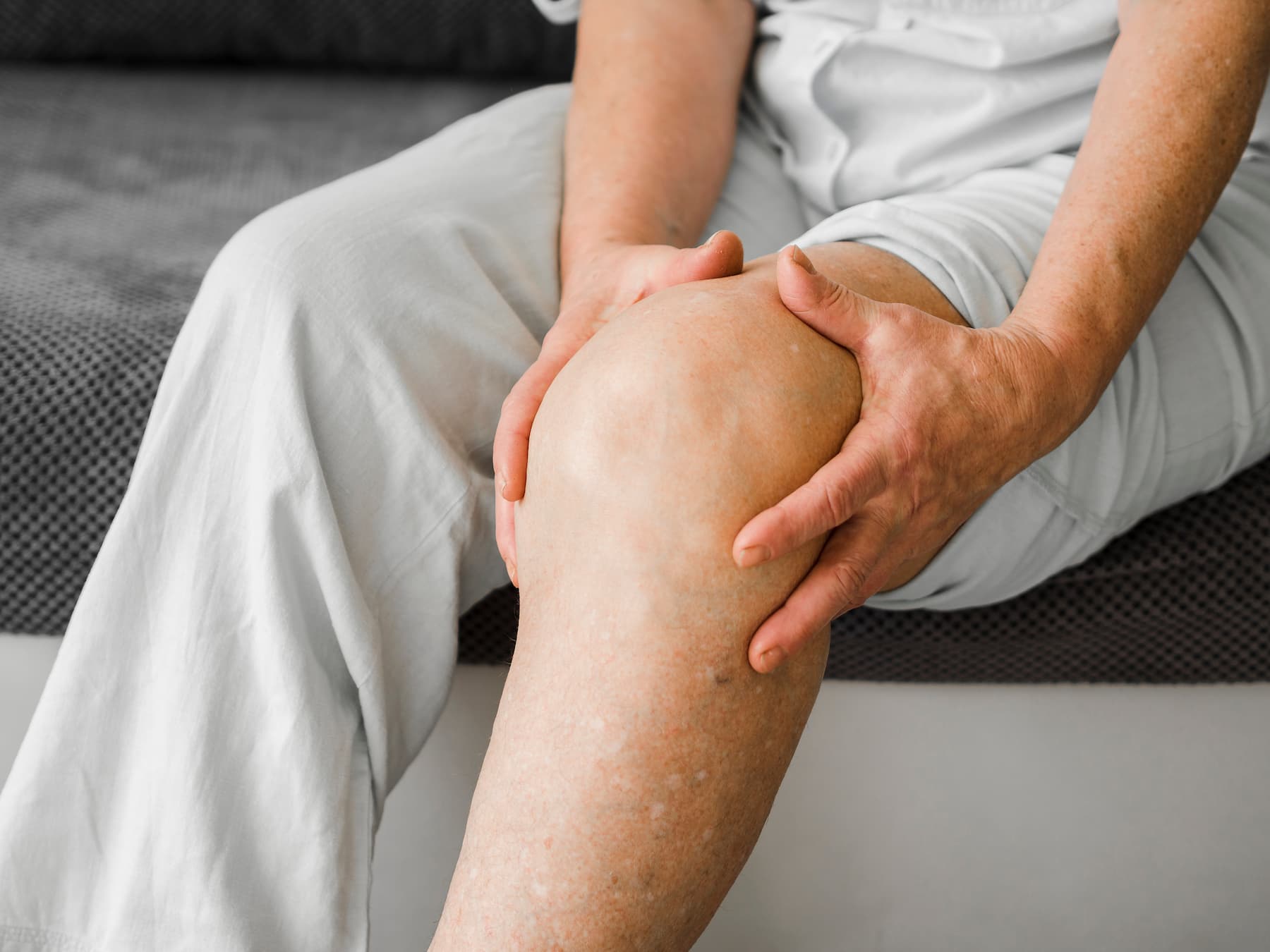
Very sharp pain when bending the knee
Conditions that may produce sudden, sharp pain on bending include:
- a torn ligament or meniscus
- a fracture of the knee or patella
- osteoarthritis
- patellar tendonitis
Pain above the kneecap when bending
If you feel pain over the top of the knee during bending, possible causes are:
- quadriceps tendonitis
- osteoarthritis
- knee bursitis
Pain in front of the kneecap when bending
Discomfort at the front or over the kneecap may be due to:
- patellofemoral pain syndrome
- patellar tendonitis
- quadriceps tendonitis
- knee bursitis
- patellar fracture
Home approaches to ease knee pain when bending
If your knee pain is mild, self-care strategies may help. Consider the following:
Modify your activities
Monitor how your knees respond to various movements. If a particular activity triggers pain, avoid it until symptoms improve. You can also reduce the intensity or switch to low-impact options.
Low-impact exercises place less stress on joints. Examples include:
- biking
- swimming
- water aerobics
- walking
RICE
The RICE approach is commonly used for minor musculoskeletal injuries, including knee issues.
RICE stands for:
- Rest — avoid putting weight on the knee to allow surrounding tissues to heal.
- Ice — applying cold reduces swelling and pain. Wrap ice in plastic or a clean cloth and apply for 20 minutes at a time, several times daily.
- Compress — use an elastic bandage around the knee to help control swelling. The wrap should be snug but not constricting.
- Elevate — keep the knee raised above heart level when possible to reduce swelling.
Although RICE has been advised since the late 1970s, recent debate has arisen about icing injuries. A growing body of research indicates ice may sometimes interfere with natural healing processes.
Heat
If stiffness or arthritis is the problem, warmth may be more soothing. Heat application boosts circulation and can ease tightness.
Over-the-counter medications
Nonsteroidal anti-inflammatory drugs (NSAIDs) can help control pain and swelling. Common OTC options include ibuprofen (Advil) and naproxen (Aleve). Follow dosing instructions unless directed otherwise by a healthcare provider.
Massage
Massage involves applying pressure to muscles, tendons, and ligaments to relieve and manage knee pain.
If your pain stems from athletic activity or overuse, consider sports massage, which targets sports-related injuries.
Other useful techniques include:
- Swedish massage
- trigger point massage
- deep tissue massage
Exercises for the knee
Targeted exercises can help control knee pain by strengthening muscles that support the joint. When these muscles are strong, the knee endures less stress.
Stretching is also important to reduce tightness in surrounding muscles and lower joint pressure.
Move slowly and stop any exercise that increases your pain.
Medical care
The appropriate medical treatment depends on the diagnosis. Options a doctor may recommend include:
Physical therapy
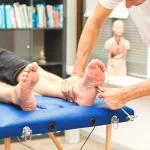
A physical therapist will teach specific movements tailored to your condition to enhance knee strength, flexibility, and range of motion.
Orthotics
Shoe inserts can stabilize the foot and ankle, which may reduce load on the knee. Some orthotics are available over the counter, while others are custom-made on a clinician’s recommendation.
Immobilization
For certain injuries, a physician may fit you with a brace or cast to protect the knee and limit motion, promoting recovery and easing pain.
Surgery
If nonoperative measures fail, surgical treatment may be necessary.
Surgery is generally reserved for severe conditions. Examples of procedures include:
- anterior cruciate ligament (ACL) reconstruction to repair a torn ACL
- meniscectomy or meniscus repair to address a torn meniscus
- total knee replacement
- tibial tubercle transfer to improve knee alignment and stability
When to seek medical attention
Mild knee pain with bending often resolves without emergency care. However, see a doctor if you have:
- severe knee pain
- long-lasting knee pain
- inability to fully bend or straighten the knee
- limping
- swelling, redness, or skin color changes around the knee
- knee instability or weakness
- popping or grinding noises with pain
- fever
Also seek prompt care if you recently injured your knee and noticed a pop, swelling, or cannot bear weight on the leg.
How doctors diagnose knee pain
To determine the cause of knee pain, a physician may use:
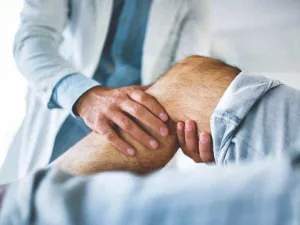
- a physical exam to assess swelling, stability, and signs of injury
- imaging such as X-rays or MRI to view bone and soft tissues
- blood tests to check for systemic inflammatory conditions like rheumatoid arthritis or for infection
Recovery timeline
Many knee injuries heal in about six weeks.
If surgery is required, recovery may span from eight weeks up to a year, depending on the procedure.
Overall recovery depends on factors such as:
- the seriousness of the problem
- the type of injury or surgery
- your general health
- pre-injury fitness and activity level
- your age
- the treatment approach
Rehabilitation with physical therapy is typically needed to regain strength and function and usually continues after the initial healing phase.
How to reduce the risk of knee pain
You can take steps to prevent or lower the chance of knee pain. Consider these tips:
- Avoid or limit activities that trigger knee pain to prevent overuse injuries.
- Choose low-impact exercises such as biking or swimming to stay active while reducing joint stress.
- Lose extra weight if needed, since excess body weight increases load on the knees.
- Warm up and cool down around exercise to protect muscles and prevent injury.
- Include strength training focused on muscles that support the knee joint.
- Stretch regularly to ease tight muscles and improve flexibility.
- Wear knee pads when tasks put pressure on your knees to protect the kneecaps.
Bottom line
If bending your knee causes pain, rest the joint and consider home treatments like stretching or cold packs. These measures can often reduce discomfort.
Seek medical evaluation if your symptoms are severe or persist. A healthcare professional can identify the cause and recommend an effective treatment plan.












Leave a Reply
You must be logged in to post a comment.