
What is gingivectomy?
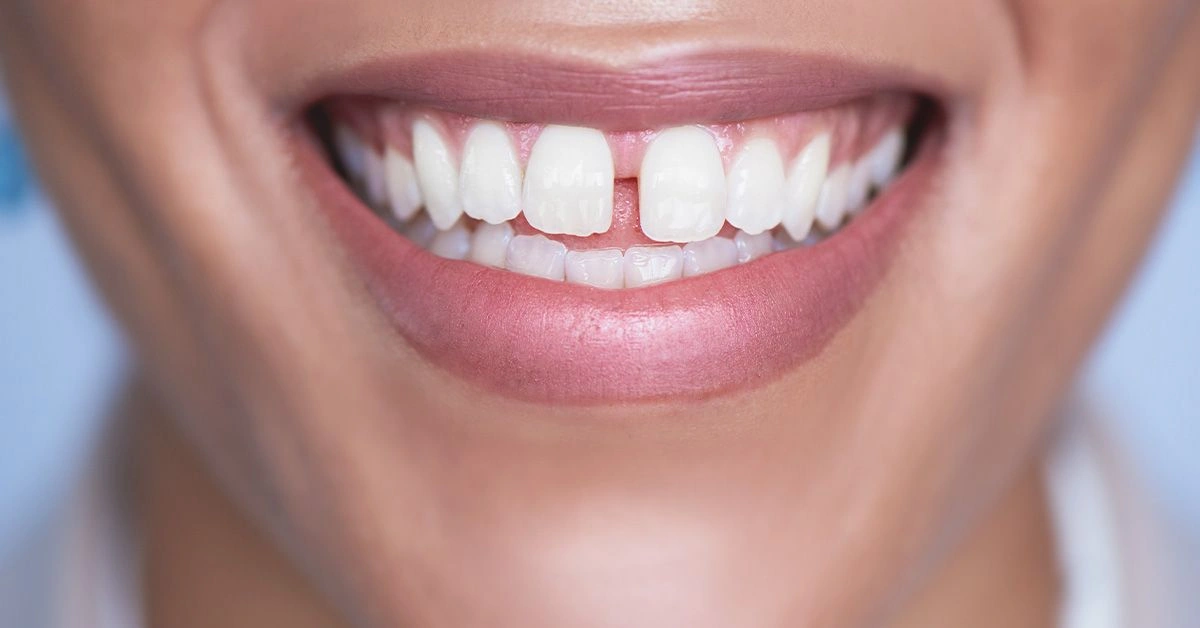
Gingivectomy is the surgical excision of gum tissue, also called gingiva. This procedure can address issues such as gingivitis and is sometimes performed to remove excess gum tissue for aesthetic reasons, like altering the appearance of a smile.
Continue reading to find out how the operation is performed, estimated costs, and what recovery typically involves.
Who’s a candidate for gingivectomy?
A dentist might suggest a gingivectomy if you’re experiencing gum deterioration due to:
- aging
- bacterial infections
- gum trauma
Gingivectomy for gum disease
When gum disease is present, a dentist may propose this surgery to prevent further tissue damage and to provide better access to the teeth for deep cleaning.
Gum disease often forms pockets at the base of teeth. These pockets can allow accumulation of:
- plaque
- bacteria
- hardened plaque, commonly called calculus or tartar
Those accumulations can then cause additional harm.
Your dentist may also recommend a gingivectomy if they identify infection or gum disease during an exam or cleaning and want to halt its advancement.
Elective gingivectomy
Cosmetic gingivectomy is optional. Many dentists only endorse it when risks are minimal or if they specialize in cosmetic dentistry.
Discuss the procedure with a dentist beforehand so you understand the benefits and potential drawbacks of an elective gingivectomy.
What to expect during the procedure
A gingivectomy usually lasts between 30 and 60 minutes, depending on the volume of gum tissue being removed.
Minor work involving a single tooth or a few teeth may be completed in one appointment. Extensive gum removal or contouring might require multiple visits, particularly if your dentist prefers one area to heal before addressing another.
Typical steps in the procedure include:
- The dentist injects a local anesthetic into the gums to numb the region.
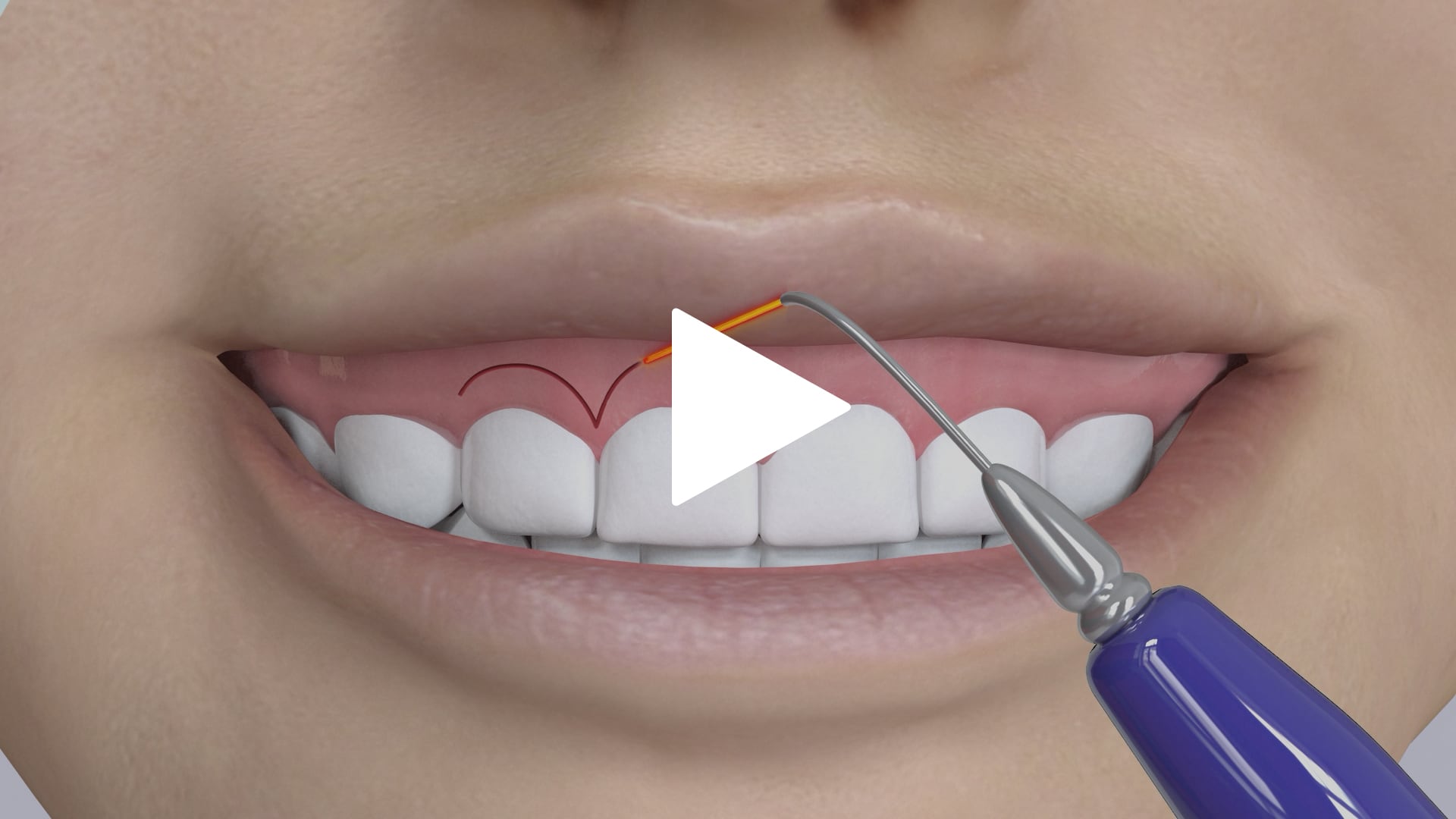
- A scalpel or laser instrument is used to cut away sections of gum tissue, a process known as soft tissue incision.
- During the operation, a suction device is frequently placed in the mouth to clear excess saliva.
- After excision, the dentist may use a laser to vaporize remaining tissue and refine the gum contour.
- A soft putty-like dressing and bandages are applied to protect the gums while they heal.
How do scalpel and laser procedures compare?
Laser gingivectomies are becoming more prevalent as laser equipment becomes more affordable and user-friendly. Lasers offer greater precision, promote faster healing and cauterization because of heat, and reduce infection risk tied to contaminated metal instruments.
Laser treatments are costlier than scalpel-based methods and demand additional training, so a dentist who lacks the training or equipment may opt for a scalpel gingivectomy.
If you have dental insurance, it may not cover laser techniques, making a scalpel procedure more budget-friendly. Calling your insurer before scheduling a gingivectomy is wise so you understand your coverage.
What’s recovery like?
Recovery after a gingivectomy is generally brief. Expect the following.
The first few hours
You should be able to return home immediately. Because the dentist likely uses only local anesthesia, you can usually drive yourself.
Pain might not be noticeable at first, but as the numbness fades a few hours after the procedure, discomfort may become sharper or more persistent. Over-the-counter pain relievers such as acetaminophen (Tylenol) or ibuprofen (Advil) can help manage discomfort.
Gums will probably bleed for several days. Replace any dressings until bleeding subsides or until your dentist tells you it’s safe to leave the gums uncovered.
Your dentist or an assistant should demonstrate how to change dressings before you leave. If they did not, or if you’re uncertain about the instructions, contact their office for guidance.
The next few days
You might experience jaw soreness. Your dentist will likely advise sticking to soft foods so chewing does not irritate or traumatize the healing gums.
Applying a cold compress to the cheeks can help relieve pain or discomfort that radiates into the mouth.
Rinse with warm salt water or a saline solution to keep the area clean, but avoid using mouthwash or strong antiseptic rinses.
Your dentist may also prescribe antibiotics to lower the risk of gum infection.
Long-term
Most pain and tenderness will ease after about a week. Follow up with your dentist to confirm proper healing and to determine when you can resume a normal diet.
Finally, maintain good oral hygiene. Brush and floss twice daily, avoid tobacco, and reduce consumption of high-sugar foods.
When to see your dentist
Contact your dentist promptly if you observe:
- bleeding that won’t stop
- severe pain that doesn’t improve with time or at-home care
- unexpected pus or discharge
- fever
How much does gingivectomy cost?
Out-of-pocket expenses for a gingivectomy typically fall between $200 and $400 per tooth. Some dentists may charge a reduced rate for several teeth — usually up to three — treated in one session.
If your insurance covers treatment for periodontal disease or an oral injury, a gingivectomy is likely reimbursed. Costs can vary by the amount of work required and the number of visits needed to finish the procedure.
Insurance is unlikely to cover procedures done strictly for cosmetic purposes.
How do gingivectomy and gingivoplasty compare?
- Gingivectomy involves removal of gum tissue.
- Gingivoplasty focuses on reshaping the gums to improve function, such as preventing decay or aiding chewing, or to alter appearance.
Gingivoplasty is less frequently employed to treat gum disease but may be performed for hereditary gum conditions or as part of restorative dental work to recover tooth and gum function as gums recede and teeth change over time.
Outlook
Gingivectomy is a relatively low-cost, low-risk option for treating damaged gum tissue or enhancing the look of your smile.
Recovery tends to be quick and results are often favorable.






















Leave a Reply
You must be logged in to post a comment.