
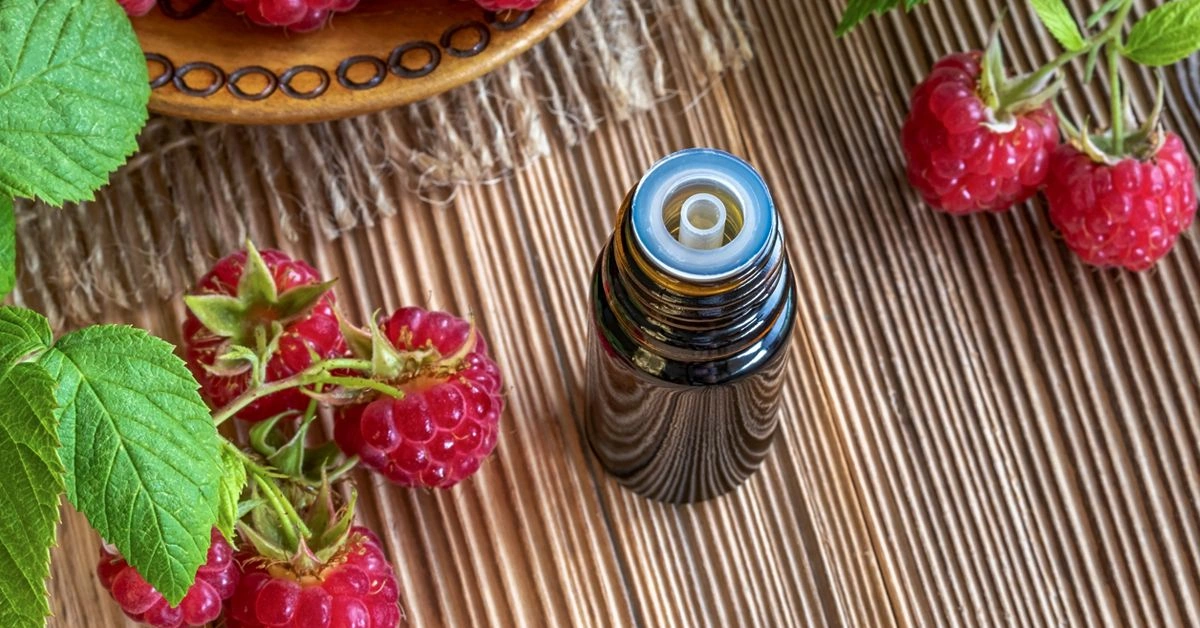
Red raspberry seed oil brings several advantages for skin and overall health.
Not to be mixed up with raspberry essential oil used in aromatherapy, red raspberry seed oil is obtained by cold-pressing the seeds of red raspberries and is rich in essential fatty acids and vitamins. Among its touted perks is some degree of sun protection.
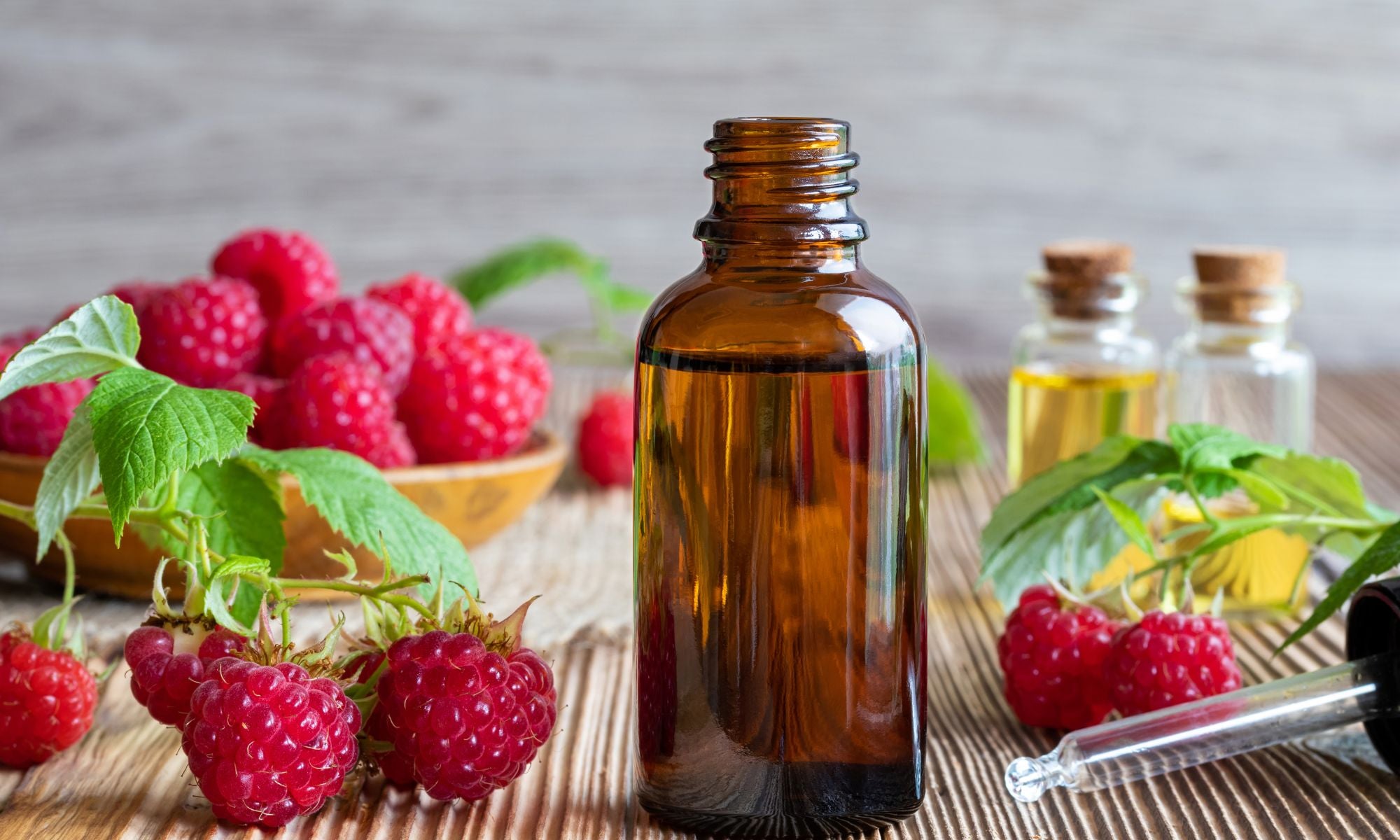
Sun protection is essential for lowering the risk of skin cancer. Although red raspberry seed oil does provide a measure of UV absorption, it does not deliver sufficient defense to prevent sun damage on its own.
Keep reading to discover more about red raspberry seed oil, its health perks, and why it’s not an adequate replacement for sunscreen.
Is red raspberry seed oil an effective sunscreen?
Multiple studies over the years have shown that red raspberry seed oil can absorb certain ultraviolet rays.
Ultraviolet radiation comes in several forms, including UVB, UVC, and UVA. The likelihood of skin cancer depends on which radiation is involved:
- UVC rays are blocked by the atmosphere and don’t reach the ground, so they aren’t a primary skin cancer risk.
- UVB radiation is associated with skin cancer because it damages the surface layer of skin and can alter skin cell DNA.
- UVA radiation penetrates deeper into the skin. Without protection, these rays contribute to premature aging and raise the risk of skin cancer.
Research indicates red raspberry seed oil can absorb UVB and UVC wavelengths. However, it provides only limited shielding from UVA. Since UVA contributes to skin cancer and issues such as wrinkles and early aging, this limitation is important.
UVA rays increase the risk for skin cancer and other skin problems.
Because raspberry seed oil lacks reliable UVA coverage — which accounts for roughly 95 percent of UV radiation reaching the Earth — it isn’t advisable to rely on raspberry seed oil alone as sunscreen. That said, owing to its other helpful properties, it can still serve as a soothing or restorative oil for various skin complaints.
Here’s a concise overview of red raspberry seed oil’s helpful qualities:
| Characteristics of red raspberry seed oil | Health benefits |
| absorbs UVB and UVC sun rays | provides some UV defense (but no UVA protection) |
| antioxidants and essential fatty acids fight oxidative stress and reduce inflammation | can calm inflammatory skin issues like eczema, rosacea, and psoriasis |
| good source of vitamin A and vitamin E | supports healthy skin cell renewal and growth |
| high levels of phytosterols | minimizes transepidermal water loss, helping the skin keep moisture |
| noncomedogenic | won’t block your pores |
| antioxidants and vitamins A and E | encourages collagen synthesis and delays visible skin aging |
| linoleic acid | helps rebalance skin’s natural oils and reduces acne flare-ups |
| can reduce oral bacteria and soothe inflammation in the mouth | supports oral health |
Beneficial characteristics of red raspberry seed oil
While many commercial moisturizers, body washes, and facial products can improve skin condition, some people prefer a more natural approach to skincare.
Some advantages of red raspberry seed oil for skin care include:
1. Anti-inflammatory
Red raspberry seed oil is rich in antioxidants and essential fatty acids such as alpha-linolenic acid. These components counteract oxidative stress and reduce inflammation.
The oil also contains ellagic acid, a natural antioxidant present in fruits like strawberries, blackberries, and cherries. Ellagic acid helps prevent inflammation and tissue harm while supporting skin health.
2. Source of vitamin A and E
Red raspberry seed oil supplies both vitamin A and vitamin E.
Vitamin A promotes healthy skin cell turnover and regeneration, contributing to smoother, firmer skin.
Vitamin E provides comparable benefits. As an antioxidant, it helps reduce inflammation, diminishes scarring, and helps maintain collagen.
3. High levels of phytosterols
Phytosterols in raspberry seed oil can reduce transepidermal water loss, aiding the skin’s ability to retain hydration and moisture. Well-hydrated skin appears healthier and more radiant.
4. Noncomedogenic
Red raspberry seed oil is noncomedogenic, so it doesn’t clog pores. It can be used to hydrate the face without contributing to pore blockages.
Where to find red raspberry seed oil
You can purchase red raspberry seed oil at many health food stores or buy it online. It’s also sometimes present in natural formulations alongside other botanical oils and extracts.
Uses for red raspberry seed oil
Because of its useful properties, manufacturers sometimes include red raspberry seed oil in face creams, shampoos, lip products, and lotions. Typical applications for the oil include:
1. Antiaging
Thanks to its antioxidant content and vitamins A and E, red raspberry seed oil can help slow skin aging, stimulate collagen formation, and help skin look more youthful and luminous.
2. Acne
A consistent skincare routine is key to managing acne.
Conventional acne treatments that include benzoyl peroxide or salicylic acid can tackle breakouts effectively, but they may dry out the skin.
Red raspberry seed oil serves as a natural acne-supporting option because its linoleic acid content helps restore the skin’s oil balance. Reduced oiliness can mean fewer breakouts. Because the oil is noncomedogenic, it also helps decrease the likelihood of clogged pores.
3. Dry skin
Whether your skin is temporarily dehydrated or persistently dry, applying a few drops of red raspberry seed oil can enhance skin hydration and soften dry areas.
4. Skin inflammation
The oil’s anti-inflammatory actions also relieve symptoms of inflammatory skin disorders such as eczema, rosacea, and psoriasis.
Dryness often accompanies these conditions. The oil can moisturize and soften skin while reducing flares and discomfort like itching, swelling, and redness. Raspberry seed oil has been shown to diminish inflammation.
5. Gingivitis
Red raspberry seed oil may also provide oral benefits. Gingivitis is a mild gum disease marked by irritated gums from plaque and bacterial buildup.
The oil can lower oral bacteria and soothe inflammation of gum tissue, easing redness, swelling, and gum tenderness. You can use red raspberry seed oil as a mouth rinse or choose a toothpaste that lists red raspberry seed oil among its ingredients.
6. Sun protection
Although red raspberry seed oil does not offer sufficient protection against the sun’s damaging UV rays and cannot replace sunscreen, it can complement sun care. Apply red raspberry seed oil underneath your sunscreen for extra moisture and to take advantage of its skin-soothing properties.
The takeaway
Red raspberry seed oil offers a range of benefits from easing inflammation to helping slow signs of aging. Despite these advantages, it shouldn’t be relied upon as the sole method of sun protection.
Red raspberry seed oil may not suit everyone. If you have a raspberry allergy, you could also react to the oil. Symptoms of an allergic reaction include redness, swelling, rash, and itching.
Test the oil on a small patch of skin before using it more broadly on your face or body.
For those interested in natural pregnancy and postpartum tea blends and other herbal options, you might also like to read about red raspberry leaf tea.



















Leave a Reply
You must be logged in to post a comment.