

The effects of using Xanax together with cannabis aren’t well studied, but at low amounts this pairing is typically not dangerous.
That said, individuals respond differently, and mixing substances makes outcomes less predictable.
If you’ve already combined them, try not to panic. Unless you’ve consumed a large amount of Xanax, this combination is rarely life-threatening. It can, however, produce some uncomfortable side effects.
Healthline does not endorse the misuse of prescription medication. However, we believe in providing accessible and accurate information to reduce the harm that can occur from misuse.
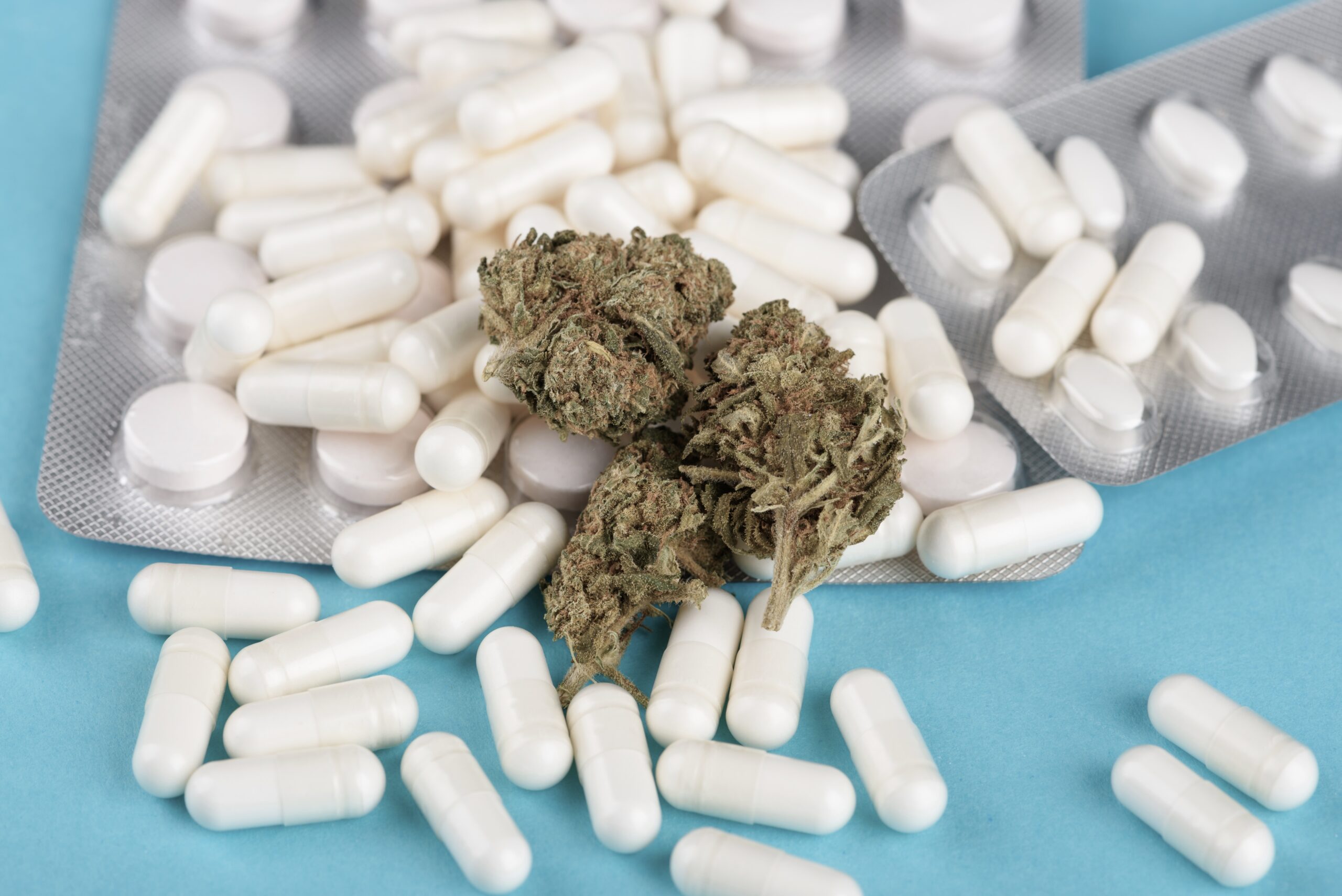
How do they interact?
There’s limited research on using Xanax and cannabis together, so our understanding of their interaction is incomplete.
We do know both act as central nervous system depressants, meaning they slow the communication between your brain and body.
Individually, at low doses, Xanax and cannabis may ease anxiety and create feelings of relaxation and euphoria. At higher doses, they can make anxiety worse and trigger paranoia, heavy sedation, an elevated heart rate, and irritability.
Remember that what counts as a low dose for one person could be high for another, depending on tolerance.
Using them together might blunt each drug’s effects while increasing the risk of overdosing on Xanax.
Potential side effects of combining the two include:
- dizziness
- drowsiness
- difficulty concentrating
- slurred speech
- confusion
- slowed coordination
- impaired judgment
What about alcohol?
If you’re considering mixing Xanax and cannabis, you should absolutely avoid alcohol.
Alcohol and benzodiazepines like Xanax amplify each other’s impacts, including undesirable ones such as extreme drowsiness and deep sedation. They also raise the risk of severe outcomes, notably respiratory depression.
Scientists haven’t fully pinpointed the mechanism, though one animal study suggested ethanol, the active component in alcoholic drinks, may elevate the peak concentration of alprazolam (Xanax) in the bloodstream.
Several studies have also found alcohol can strengthen cannabis’s effects and raise the likelihood of greening out or overconsumption.
Other important Xanax interactions
Xanax interacts with numerous other medications, including some over-the-counter treatments.
These include certain:
- antidepressants
- antibiotics
- antifungal agents
- opioids
- heartburn remedies
- oral contraceptives
When taken with Xanax, these drugs can slow its elimination from the body, potentially causing a toxic accumulation.
Don’t combine Xanax with any other sedatives.
For related interactions and cautionary info, also check resources about xanax interactions.
Anxiety and this combination
If you’re using cannabis and Xanax to cope with anxiety, be aware this pairing can sometimes worsen symptoms.
While there’s some evidence that low-dose cannabis may reduce anxiety for some people, high-THC varieties can actually heighten anxiety.
If anxiety is your concern, the safest course is to consult a healthcare professional who can suggest evidence-based treatments.
Safety recommendations
It’s best to avoid taking Xanax with any substance that induces drowsiness, including cannabis.
Your chance of overusing both substances increases when combined, which could cause an adverse reaction or a Xanax overdose.
If you plan to mix them or already have, consider these steps to reduce risk:
- Use the smallest effective doses. Higher doses greatly raise the likelihood of serious effects. Keep your Xanax dosage minimal and opt for low-THC cannabis to lower the chance of side effects or an overdose.
- Avoid lying down. Benzodiazepines, particularly with other depressants, can cause deep sedation and sometimes vomiting. Stay seated if you use both to decrease choking risk should you vomit.
- Pick a safe environment. This combination can make movement and maintaining consciousness difficult, potentially leaving you exposed to danger.
- Don’t be alone. Have a trusted person nearby who can recognize trouble signs and summon help if needed.
- Stay hydrated. Drinking water before, during, and after can help with dry mouth and dehydration and may ease some post-cannabis symptoms.
- Limit frequency. Both Xanax and cannabis carry risks for dependence and addiction, especially with frequent use. Reducing how often you use them lowers withdrawal and dependence risks.
- Avoid adding other substances. The more drugs you mix, the less predictable effects become. Most fatal overdoses involve multiple substances, often including alcohol.
When it’s an emergency
Call 911 immediately if you or someone else shows any of these signs after using Xanax and cannabis:
- blurred vision
- slurred speech
- irregular heart rhythm
- agitation or aggression
- shortness of breath
- very slow breathing
- vomiting
- hallucinations
- seizures
- loss of consciousness
If you’re caring for someone, place them on their side while waiting for emergency responders. This position helps keep the airway clear if they vomit.
Bottom line
Xanax should not be combined with other substances, particularly other CNS depressants, because of the risk of losing consciousness and dangerously slowed respiration.
In low doses, Xanax and cannabis are unlikely to be life-threatening together, but the situation can deteriorate quickly.
Both substances also carry substantial potential for misuse and may lead to dependence or addiction.
If you’re concerned about your substance use, here are confidential ways to get help:
- Speak with your primary care provider. Be candid about your drug use—patient confidentiality typically prevents disclosure to law enforcement.
- Call SAMHSA’s national helpline at 800-662-HELP (4357), or use their online treatment locator.
- Locate a support group via the Support Group Project.




















Leave a Reply
You must be logged in to post a comment.