

Understanding urine drug screening
A urine drug test screens for the presence of illegal substances and prescription medications in a urine sample. It’s commonly referred to as a urine drug screen.
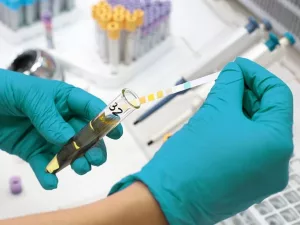
For this test, a urine specimen is sent to a laboratory where a technician examines it for specific drugs or their metabolites. Metabolites are the breakdown products formed by the body after it processes a drug.
Urine should have an appropriate balance of water; too much or too little can compromise the accuracy of the test results.
Diluted urine happens when the sample contains an excess of water, meaning the urine is less concentrated. When dilution occurs, the laboratory may struggle to accurately detect drugs present in the specimen.
If you’re an employer or an administrator responsible for drug screening, you may be curious about what leads to diluted urine. This article outlines common causes of urine dilution and strategies to improve the reliability of test outcomes.
What can lead to diluted urine?
There are multiple reasons urine can become diluted. It’s not always an intentional attempt to “beat” the test by drinking large volumes of fluid — dilution can occur unintentionally.
Possible explanations for diluted urine include the following.
Drinking fluids for health reasons
Many people emphasize the importance of adequate hydration and therefore regularly drink substantial amounts of water.
Frequent or heavy fluid consumption can result in less concentrated, diluted urine.
Preparing to provide a urine sample
When someone fears they won’t be able to produce enough urine, they may drink a lot of fluid beforehand to ensure they can supply a specimen. This practice can produce a diluted sample.
Use of diuretics
Certain prescription drugs have diuretic effects and increase urine production, which dilutes the urine.
Beverages such as coffee and tea also act as mild diuretics.
Kidney issues
The kidneys filter waste from the bloodstream by producing urine. If kidney function is impaired, they may excrete an excessive amount of water, resulting in diluted urine.
How labs identify diluted drug tests
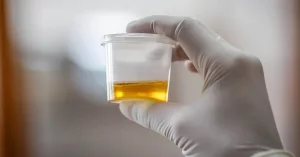
Diluted urine typically appears paler than normal.

Laboratories also rely on validity checks to determine dilution, including measurements of urine creatinine and specific gravity.
Urine creatinine
Creatinine is a metabolic waste generated by muscle activity during the breakdown of creatine.
The kidneys eliminate creatinine via urine, and the concentration of creatinine reflects how concentrated the urine is.
Normal urine creatinine values generally range from 20 to 400 milligrams per deciliter (mg/dL). In diluted samples, creatinine is often between 2 and 20 mg/dL.
Specific gravity
Urine specific gravity measures how concentrated the urine is by comparing the proportion of water to other dissolved substances.
Typical urine specific gravity ranges from 1.002 to 1.030. Diluted urine usually shows a specific gravity around 1.001 to 1.003.
Can dilution be avoided in urine testing?
To reduce the likelihood of receiving a diluted sample, consider implementing these guidelines for urine drug testing:
- Ask test subjects to limit fluid intake for a set period before the test.
- Advise them to refrain from diuretics, such as coffee and tea, prior to providing a specimen.
- Collect urine early in the morning when samples are typically more concentrated.
- If job duties require frequent hydration, arrange to collect the sample before the work shift begins.
- Perform urine drug testing on a random schedule to discourage intentional dilution.
Common types of urine drug tests
Urine drug screening is commonly performed using two main methodologies.
Immunoassay
An immunoassay (IA) uses antibodies to detect particular drugs. Antibodies are proteins that bind to foreign molecules, called antigens — in this case, the drug or its metabolite.
During an IA, a known drug and drug-specific antibodies are introduced to the urine sample. If the target drug is already present in the urine, it will compete with the added drug for antibody binding, producing a positive signal.
If the urine lacks the drug, the competitive reaction is minimal and the sample is reported as negative.
Immunoassays are affordable and fast, making them suitable for initial screening, but they can miss certain substances or produce false positives or false negatives.
Gas chromatography–mass spectrometry
Gas chromatography–mass spectrometry (GC-MS) is employed to confirm positive IA results. It offers greater specificity and reduces the chance of erroneous findings.
In GC-MS, gases help separate the chemical components in the urine. A mass spectrometer then identifies the distinct compounds.
GC-MS is the standard confirmatory test, though other chromatographic techniques (such as liquid chromatography) may be used for separation and identification.
Final thoughts
Diluted urine can interfere with the accuracy of a urine drug screen.
That said, dilution does not automatically indicate deliberate tampering. Individuals may consume extra fluids for health reasons or to be able to provide an adequate sample.
Certain medications and kidney dysfunction can also produce diluted urine.
To minimize dilution, limit fluid and diuretic intake before testing, and consider collecting specimens early in the morning or prior to starting work. For related information about unusual urine characteristics, see hot urine.




















Leave a Reply
You must be logged in to post a comment.