
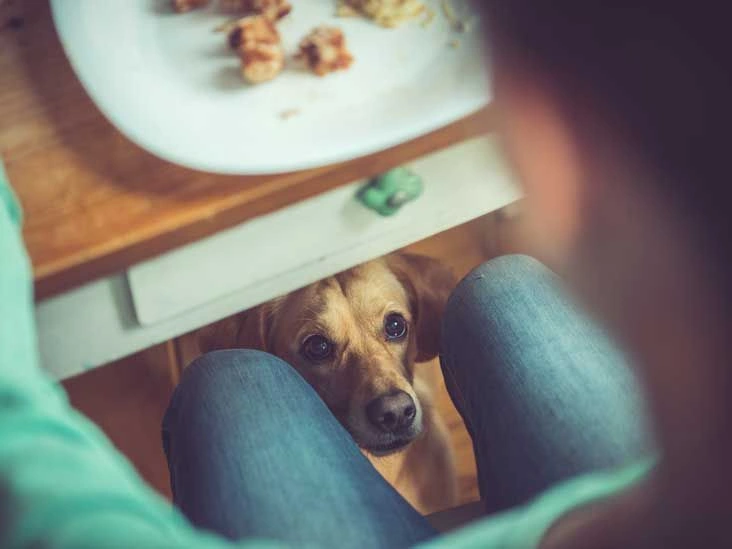
Certain foods people enjoy, such as carrots and blueberries, are generally safe for most dogs. Others, including garlic and onions, can be toxic and pose serious health risks.

Dogs process and metabolize food differently than humans do. Because of these metabolic differences, some items that are harmless for people may be dangerous — and in some cases potentially deadly — for dogs.
At the same time, many human foods can be offered safely as an occasional treat and may even provide nutritional benefits when given in appropriate portions.
If you’ve ever wondered not only which foods are safe but also quirky questions like What does poop taste like or even Does poop taste sweet in relation to canine behavior, you’re not alone. Pet owners frequently search topics such as What does poop taste like to dogs to better understand their dog’s eating habits. However, before diving into behavioral curiosities like What does poop taste like to dogs, it’s essential to understand what dogs should and should not be eating for optimal health.
:max_bytes(150000):strip_icc():focal(999x0:1001x2)/dog-poo-060e9590b65f479cbf01ddd6a56e2617.jpg)
This comprehensive guide reviews 53 common foods and clarifies whether your dog can safely consume them.
1. Carrots: Can Eat
Both raw and cooked carrots are safe options for dogs.
They are low in calories and provide vitamins, minerals and fiber, making them a nutritious snack choice (1).
To reduce the risk of choking, always cut carrots into small, manageable pieces before offering them to your dog.
2. Grapes and Raisins: Can’t Eat
Never give grapes or raisins to your dog.
They contain toxic compounds that are harmful to dogs and may cause rapid kidney failure and death (2).
Even minimal amounts can make a dog ill, so complete avoidance is critical.
3. Salt: Limit
Salt intake should be restricted in your dog’s diet.
Too much salt can result in salt poisoning or water deprivation, leading to vomiting, diarrhea and seizures. In severe situations, excessive salt can be fatal.
Avoid feeding salty snacks like chips or pretzels, and always ensure your dog has access to fresh water to help prevent dehydration.
4. Peanut Butter: Can Eat
Peanut butter can be a safe and enjoyable treat when given in moderation.
Because it is high in fat and calories, overconsumption may contribute to weight gain (4, 5).
Choose plain, unsalted varieties. Many commercial brands contain added salt or other ingredients that may be harmful (3).
5. Eggs: Can Eat
Cooked eggs are safe and nutritious for dogs.
A single medium egg supplies a broad range of vitamins and minerals along with high-quality protein. Some claim eggs help ease nausea in dogs, although scientific evidence is lacking (6).
Avoid feeding raw eggs. While dogs do not always become ill from them, bacteria such as Salmonella can spread from dogs to humans, increasing infection risk (7).
6. Salmon: Can Eat
Cooked, boneless salmon is a safe and nutritious choice.
It is rich in omega-3 fatty acids, which help reduce inflammation and support healthy skin and coat condition (8, 9).
Do not feed raw salmon, as it may contain a parasite that causes salmon poisoning disease, which can be fatal (10).
7. Chocolate: Can’t Eat
Dogs should never consume chocolate.
Chocolate contains theobromine and caffeine, stimulants that dogs cannot metabolize efficiently (11).
Ingestion may cause vomiting, diarrhea, dehydration, internal bleeding, muscle tremors, seizures and death (12).
Darker chocolates, such as cocoa powder and unsweetened baker’s chocolate, are more toxic than milk chocolate. Still, no form of chocolate is safe for dogs.
8. Cheese: Limit
Cheese is safe for most dogs when offered in small amounts.
Because it contains fat and lactose, some dogs may experience digestive discomfort like stomach pain or diarrhea (13, 14).
Introduce cheese gradually and consider lower-fat varieties such as mozzarella.
9. Blueberries: Can Eat
Blueberries are both safe and nutrient-dense for dogs.
They are rich in antioxidants, vitamins, minerals and fiber, which may support overall health (15, 16, 17, 18).
Low in calories and naturally small, they make an excellent training or snack option.
10. Popcorn: Can Eat
Plain, air-popped popcorn can be given occasionally.
Avoid varieties with salt, butter or oil, which may increase the risk of pancreatitis or other complications (3, 11, 19).
Only offer fully popped kernels to prevent choking or dental issues.
The Bottom Line
Some human foods are safe and even beneficial for dogs, while others are dangerous and potentially life-threatening.
Introduce any new food gradually so you can monitor for allergic reactions or digestive upset. Even foods considered safe should be provided in moderation to reduce the risk of weight gain and related health concerns.
Every dog responds differently. One may tolerate a certain food without issue, while another may experience adverse effects.
While curiosity about canine behavior — including questions like What does poop taste like to dogs — is common among pet owners, prioritizing balanced nutrition and avoiding toxic foods is far more important for your dog’s long-term well-being.
If you are unsure about appropriate portion sizes or whether a specific food is suitable for your dog, consult your veterinarian for individualized guidance.
















Leave a Reply
You must be logged in to post a comment.