

Urine color ranges from nearly clear to deep orange depending on hydration, but it can also shift because of pigments in food or medications. Certain hues can point to conditions that warrant medical evaluation.
Physicians call the typical pigment in urine “urochrome.” Urine naturally contains a yellow tint; when you’re well hydrated, it appears pale yellow to almost clear.
When you’re dehydrated, urine may darken to deep amber or a light brown shade.
Occasionally, the color of your urine can signal an underlying health issue that deserves attention.
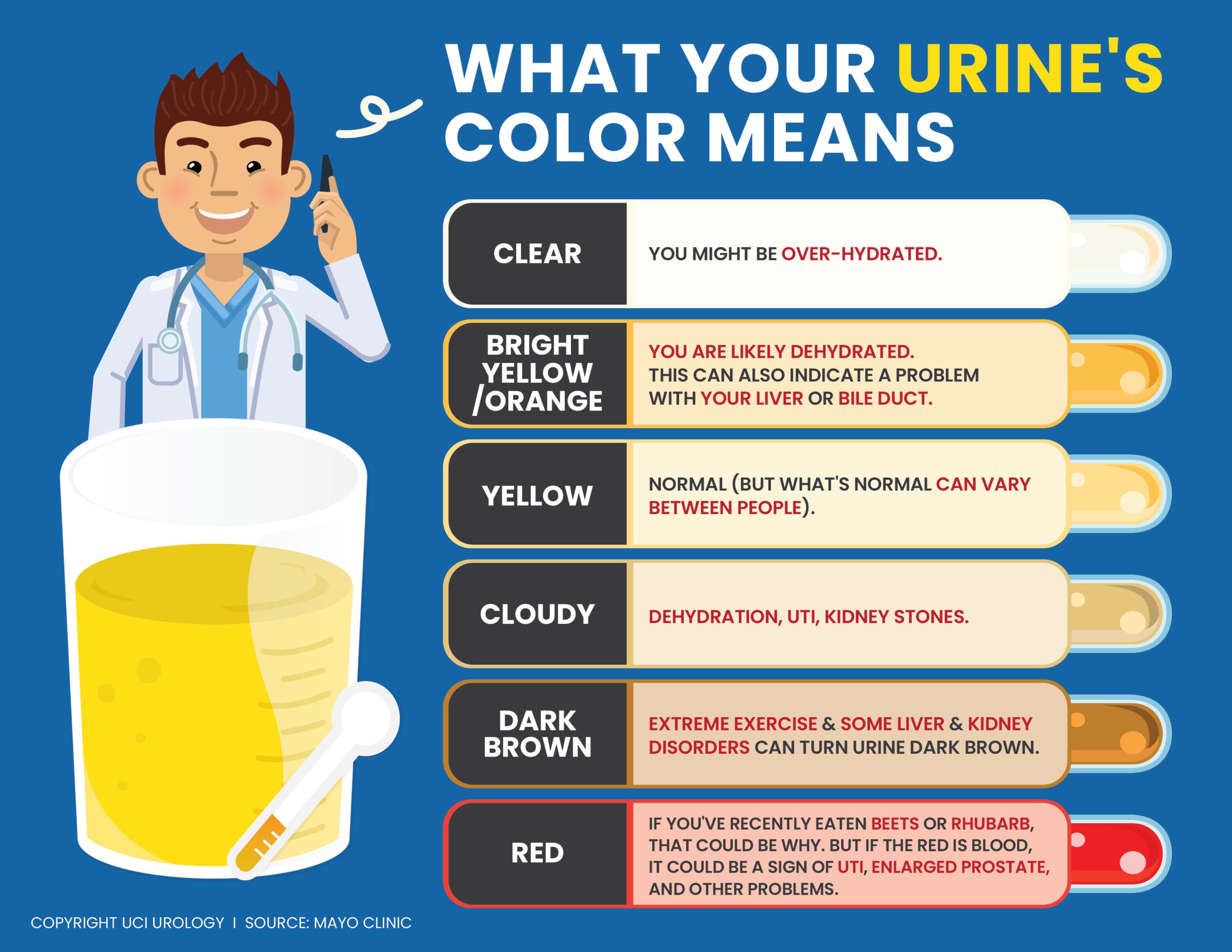
Urine colors explained
Urine hue can change with diet, medications, and fluid intake. Many variations fall within the normal range, but some unusual colors may indicate a problem.
Clear urine
Clear urine suggests you’re consuming more fluid than the typical daily recommendation.
Although good hydration is beneficial, excessive water intake can dilute electrolytes. Occasional clear urine isn’t alarming, but persistently clear urine might mean you should reduce how much you drink.
Consistently clear urine despite not drinking large volumes could also point to liver issues like cirrhosis or viral hepatitis. If this occurs, consult a physician and consider urine testing.
Yellow to amber urine
Normal urine spans from pale yellow to darker amber. The urochrome pigment becomes more diluted with higher fluid intake.
Urochrome results from the breakdown of hemoglobin, the oxygen-carrying protein in red blood cells. Typically, urine color reflects how concentrated that pigment is.
An abundance of B vitamins in your blood can also produce a neon-yellow urine color.
Red or pink urine
- Foods: Urine can appear red or pink after eating fruits and vegetables with strong red or magenta pigments, such as beets, rhubarb, or certain berries.
- Medical causes: While diet can cause reddish urine, blood in urine (hematuria) may arise from conditions like urinary tract infections, an enlarged prostate, kidney stones, or tumors in the bladder or kidneys.
- Medications: Some drugs may tint urine red or pink, including senna-containing laxatives, phenazopyridine (Pyridium), the antibiotic rifampin (Rifadin), and some chemotherapy agents like anthracyclines.
Contact a healthcare provider if you suspect blood in your urine.
Orange urine
Orange or light brown urine can be caused by several factors:
- Dehydration: Orange urine can indicate you’re dehydrated.
- Medical issues: Orange urine accompanied by pale stools may suggest bile is entering the bloodstream due to problems with bile ducts or the liver. Adult-onset jaundice can also discolor urine orange.
- Medications: Drugs that may produce orange urine include phenazopyridine (Pyridium), the anti-inflammatory sulfasalazine (Azulfidine), and certain chemotherapy medications.
Blue or green urine
Blue or green urine is uncommon and often linked to dietary sources.
- Diet: Food dyes, including methylene blue found in some candies and medicines, can color urine blue or green.
- Medications: Certain drugs—such as cimetidine (Tagamet), amitriptyline, indomethacin (Indocin), promethazine (Phenergan), and some B-vitamin supplements—may cause blue or green urine.
- Medical tests: Dyes used in diagnostic procedures involving the kidneys or bladder can also change urine color.
- Infections: Infection with Pseudomonas aeruginosa can produce blue, green, or indigo-tinged urine.
A genetic condition called familial benign hypercalcemia can also lead to blue or green urine; calcium levels in the urine may alter its color, though many affected people notice no symptoms.
Dark brown urine
Dark brown urine commonly points to dehydration but can also result from:
- Medications: Certain medicines—such as metronidazole (Flagyl), nitrofurantoin (Furadantin), chloroquine (Aralen), senna-based laxatives, and methocarbamol—may darken urine.
- Foods: Large intakes of rhubarb, aloe, or fava beans can lead to brown-colored urine.
- Medical conditions: Tea- or cola-colored urine can indicate rhabdomyolysis (muscle breakdown) or porphyria, which causes accumulation of natural chemicals and rusty or brown urine. Liver disease allowing bile into the urine can also produce dark brown shades.
- Exercise: Vigorous activity, especially long-distance running, can cause dark brown urine (exertional hematuria). This is often temporary and resolves with rest within hours. If dark urine persists beyond 48 hours or recurs frequently after exercise, consult a doctor.
Cloudy urine
Cloudy urine can be due to:
- Medical conditions: Urinary tract infections and some chronic kidney disorders can make urine cloudy. Dehydration can also be a cause.
- Pregnancy: Cloudy urine during pregnancy might signal preeclampsia, a potentially serious condition. Notify your healthcare provider promptly if you develop cloudy or foamy urine while pregnant.
- Foamy urine: Urine with foam or bubbles may indicate pneumaturia, which can be associated with serious conditions like Crohn’s disease or diverticulitis.
Sometimes foamy urine occurs without an identifiable cause.
»MORE:Get an online treatment plan for your urinary tract infection in as little as 15 minutes with Optum Now Online Care.Optum Now is operated by RVO Health. By clicking on this link, we may receive a commission. Learn more.
Frequently asked questions
What does urine look like with kidney failure?
Kidney failure can produce urine in various dark shades—deep amber, red, or brown.
Keep in mind that dark yellow urine may also reflect dehydration, and red urine can result from eating beets or foods with red dyes. Several medications can alter urine color as well.
What are three early warning signs of kidney disease?
Many people don’t notice symptoms of kidney disease until it advances. Some subtle signs may include:
- Changes in urination, such as:
- producing less urine
- needing to urinate more frequently
- seeing blood in urine
- foamy urine
- Insomnia and persistent fatigue
- Difficulty concentrating
- Swelling of the limbs, face, or around the eyes
- Muscle cramps
What color is urine in stage 2 kidney disease?
Stage 2 chronic kidney disease typically causes no clear symptoms, so urine often remains the usual yellow color. However, you may have increased protein in the urine (proteinuria or albuminuria), which can make urine look foamy and require multiple flushes.
Some individuals may have small amounts of blood in their urine (hematuria), making it darker or more amber.
What color is urine in stage 3 kidney disease?
In stage 3 kidney disease, protein or blood may be present in urine, producing foaminess or colors such as dark amber, pink, or reddish.
Takeaway
Unusual urine colors generally stem from dehydration, dietary choices, or medication side effects. Typically, urine returns to its normal pale straw shade within two to three days after the cause is addressed.
If your urine remains cloudy, brown, blue, or green and does not revert to a light straw color, make an appointment to see a healthcare provider.




















Leave a Reply
You must be logged in to post a comment.