

If you’re exploring substitutes for Adderall, certain natural supplements might support improvements in ADHD symptoms. Always consult your physician before altering your treatment plan.
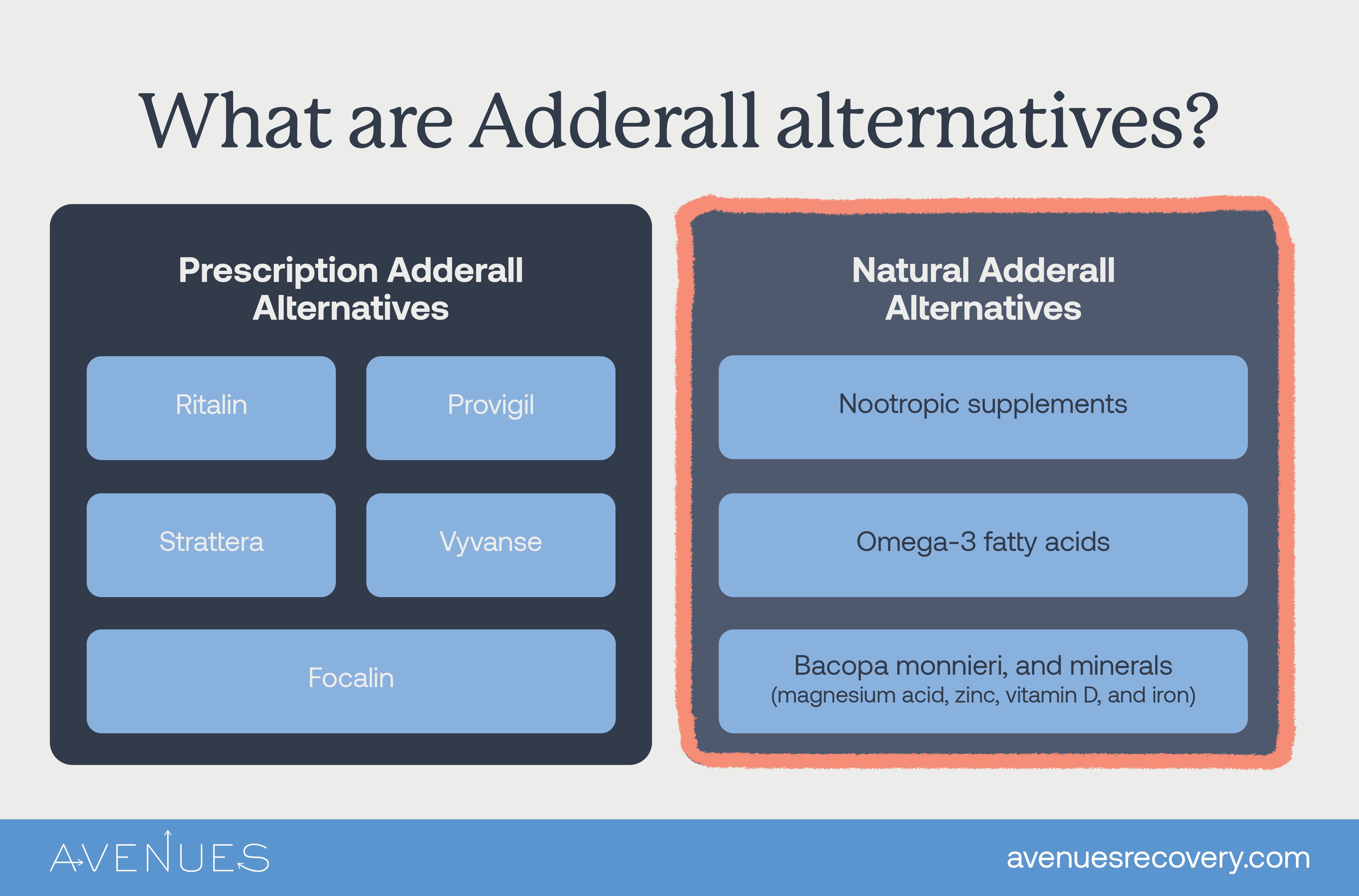
Adderall is a prescription stimulant that activates the brain. It’s most widely prescribed for attention deficit hyperactivity disorder (ADHD).
Because Adderall can cause side effects like difficulty sleeping, increased heart rate, and heightened anxiety, you may be curious whether supplements could serve as a helpful alternative to prescription medication.
A note on supplements
Discuss any supplement use or adjustments to prescription doses with a healthcare professional first.
Some supplements can cause adverse effects or interact with medications you’re already taking. Excessive intake of certain vitamins and minerals can also be harmful.
In the United States, vitamins, minerals, and herbal products are not regulated by the FDA in the same way as drugs. The dosage, ingredient list, and source details on supplement labels may not always be fully reliable.
Read more about how to choose supplements safely.
Citicoline
Citicoline consists of choline and cytidine. You don’t ingest citicoline directly from food; instead you eat choline and your body converts it into citicoline. In the brain, citicoline helps produce a neurotransmitter called acetylcholine, which plays a role in memory and focus. Citicoline also raises norepinephrine and dopamine levels.
In the U.S., citicoline is marketed as a supplement noted for its potential neuroprotective and nootropic benefits. “Nootropics” are compounds that may enhance cognitive function.
A 2023 review indicates citicoline might help improve memory in older adults. A recent pilot study suggests citicoline supplementation is safe. Still, additional research is required to determine its suitability as an Adderall alternative.
If you’re interested in increasing citicoline levels, you could eat more foods rich in choline or talk with your doctor about whether citicoline supplements are appropriate for you.
Methionine
Methionine is an essential amino acid that the body uses to synthesize brain chemicals.
The biologically active form is S-Adenosyl-L-Methionine (SAMe). SAMe has been used as a supplement to address symptoms of ADHD and depression.
However, it may worsen anxiety and trigger manic episodes in people with bipolar disorder.
If you want to increase methionine intake, consider eating more foods containing the amino acid or consult your healthcare provider about whether supplements are suitable for you.
Mineral supplements
You may have considered mineral supplements for ADHD symptoms. In most cases, people can obtain sufficient minerals and nutrients from a balanced diet.
Some research suggests that particular supplements can reduce ADHD symptoms in children, but primarily in those who are deficient or at high risk of deficiency. The potential benefit likely stems from these minerals’ roles in producing brain chemicals (neurotransmitters).
Minerals that might help include:
- iron
- magnesium
- zinc
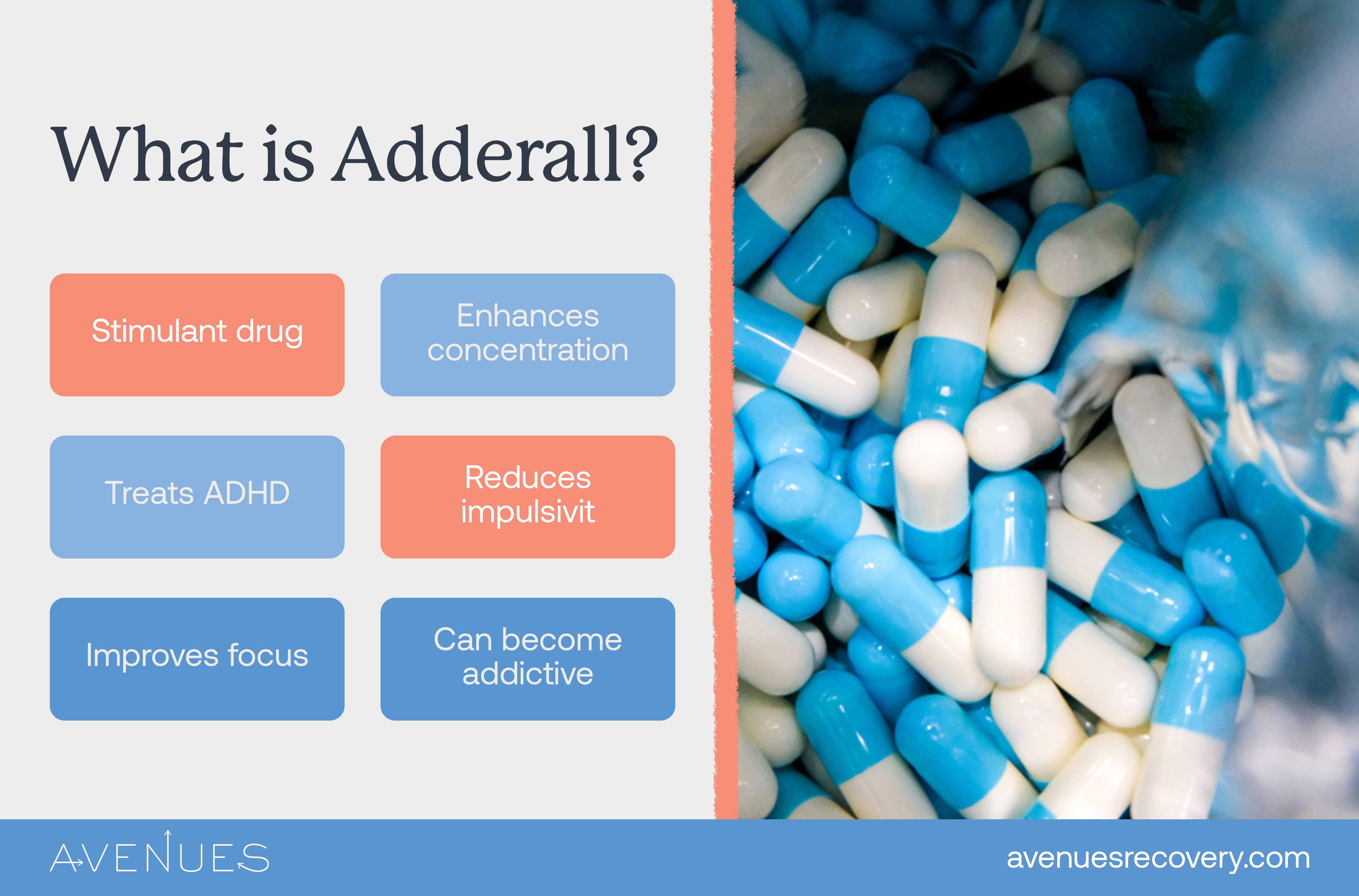
Still, the overall evidence supporting these minerals for ADHD is limited. Consult your doctor to determine if mineral supplements might be helpful for you or your child.
GABA
Gamma-aminobutyric acid (GABA) is a naturally occurring brain messenger that calms the nervous system. It reduces excitability and hyperactivity and can help alleviate anxiety and stress.
Some people use GABA to support sleep, although research on its effectiveness for insomnia is mixed.
There haven’t been extensive studies of GABA supplements specifically for ADHD. A 2024 review suggests that brain GABA concentrations are altered in people with ADHD, and the authors propose that targeting GABA pathways could be important for managing ADHD symptoms.
If you’re considering GABA supplements for ADHD, check with a healthcare professional to ensure they’re safe for you.
Pycnogenol
The antioxidant Pycnogenol, a trademarked form of French maritime pine bark extract, might be an option for addressing ADHD symptoms.
A 2022 clinical study reported that children taking pycnogenol experienced fewer side effects than those taking methylphenidate (Ritalin). The investigators suggest pycnogenol could be a viable ADHD treatment, particularly for individuals who experience medication side effects.
Researchers have explored how oxidative stress and inflammation may contribute to ADHD symptoms, and pycnogenol’s antioxidant and anti-inflammatory properties could potentially help reduce symptoms.
Talk with your doctor before trying Pycnogenol for ADHD symptoms.
Takeaway
If you or your child has ADHD, prescription medications can reduce symptoms and improve daily functioning. Adderall is a commonly prescribed treatment for ADHD.
However, Adderall may cause side effects and isn’t suitable for everyone. Some herbal, mineral, or vitamin supplements could offer symptom relief, but current evidence remains limited.
Because natural supplements can also produce side effects or interact with other medications, it’s important to consult a healthcare professional before using them to address ADHD symptoms.





















Leave a Reply
You must be logged in to post a comment.