
What is an adrenaline junkie?
The term adrenaline junkie refers to people who crave intense, high-stimulation activities that trigger an adrenaline surge. Other labels you might hear are sensation seeker, adventurer, or thrill seeker.
These individuals often gravitate toward pursuits like skydiving, extreme sports, or risky occupations such as firefighting or emergency response.
When you feel excited, scared, or emotionally heightened, your body releases the hormone adrenaline. Once it enters the bloodstream, adrenaline raises heart rate, blood pressure, and breathing, sharpening your awareness and providing a burst of energy.
Some people pursue that sensation much like others chase the euphoric effects of certain substances, which is why the phrase adrenaline junkie came into use.

Could you be one?
There isn’t a single diagnostic test to label someone a thrill seeker, but particular personality features often correlate with a desire for heightened experiences.
If you’re attracted to activities that produce intense sensations and a surge of adrenaline, you likely have some type T traits — “T” for thrill — in your personality profile.
Common characteristics include:
- adaptability and openness to change
- a preference for complexity
- a hunger for novelty
- a drive to tackle challenges
- spontaneity and impulsiveness
- curiosity
- inventiveness
People who chase that adrenaline kick often enjoy things like:
- extremely tall roller coasters
- haunted attractions that require waivers
- daring hobbies such as BASE jumping, storm chasing, or shark diving
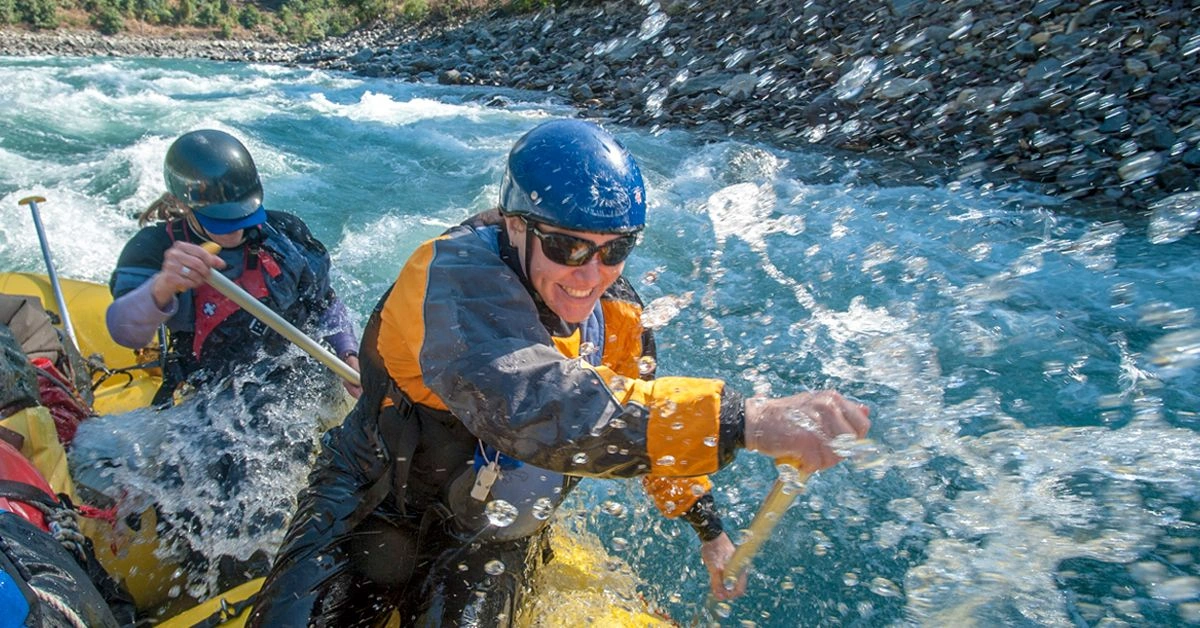
- high-adrenaline sports like motorcycle racing or whitewater rafting
Remember, thrills don’t always stem from life-or-death situations.
For instance, some get their adrenaline via procrastination — the realization you have only one night to finish a major project can spark a rush. You may feel energized and focused knowing you’ll race to meet the deadline.
Is it really an addiction?
Others enjoy stoking controversial conversations about topics like religion or politics, or keeping an overloaded work and social schedule to stay stimulated.
We often borrow addiction-related language when discussing thrill seeking, but thrill-seeking behavior is not currently listed as an addiction in the Diagnostic and Statistical Manual of Mental Disorders (DSM-5).
The DSM-5 notes that robust, peer-reviewed evidence for behavioral addictions is still limited. Nonetheless, some researchers have explored the concept of adrenaline dependence.
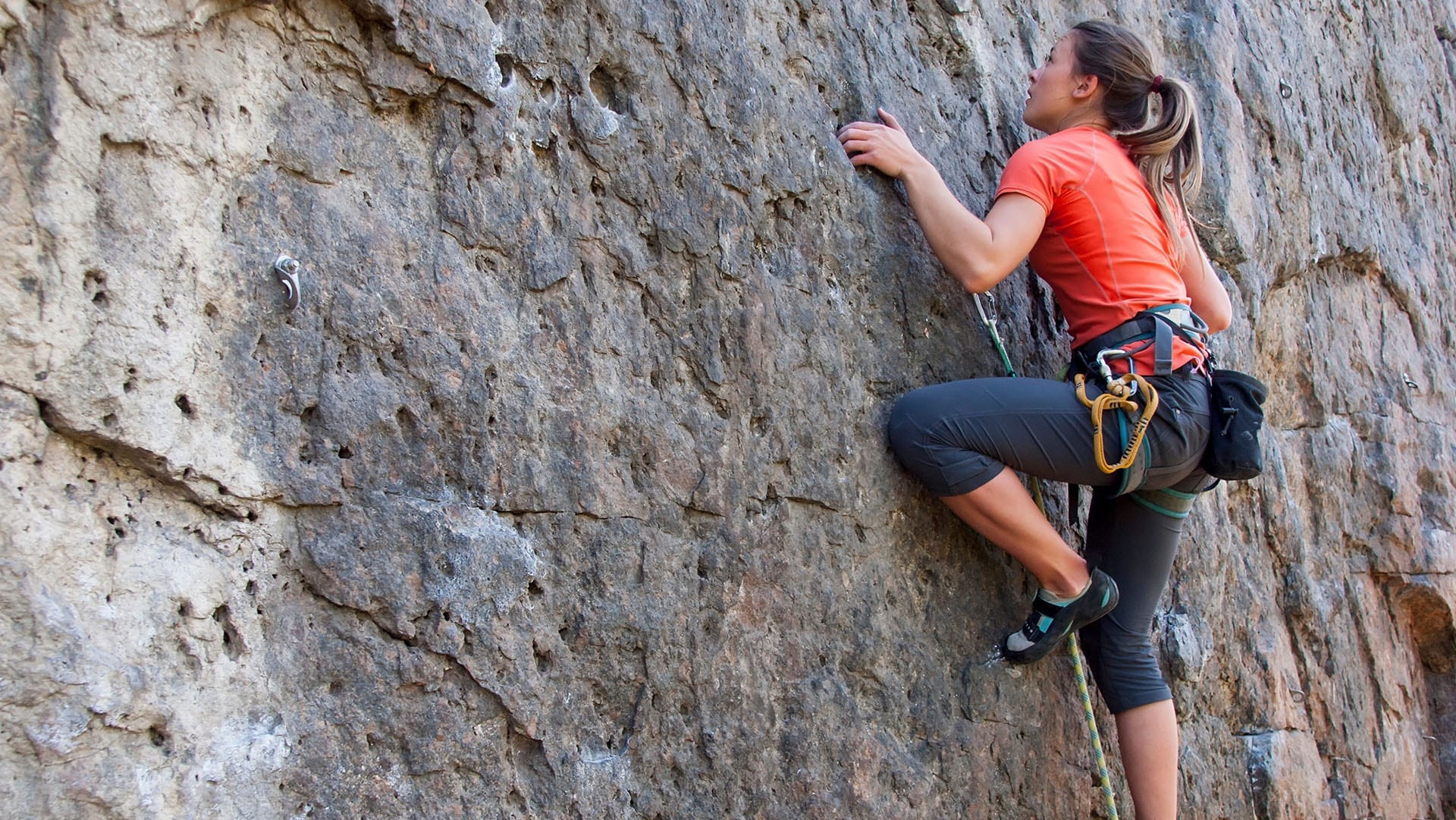
For example, a 2016 study examined withdrawal in eight rock climbers. After a period without climbing, participants reported withdrawal-like symptoms similar to substance dependence.
Reported symptoms included:
- yearning to return to climbing
- diminished interest in activities aside from rock climbing
- negative moods such as agitation, frustration, and restlessness
Should I be concerned about it?
Thrill seeking is usually not cause for alarm. However, if you frequently jeopardize your safety — or that of others — it may be time to reassess.
Warning signs that could indicate a problem include:
- routinely driving far above the speed limit, alone or with passengers
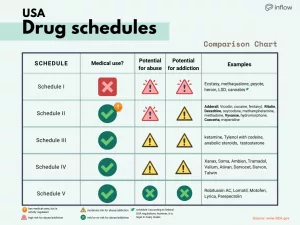
- combining multiple drugs, or mixing drugs with alcohol to intensify effects
- deliberately instigating fights
- acting aggressively toward others
- engaging in illegal behaviors such as theft or property damage
- lying or manipulating people, either for the thrill or to cover risky actions
If the pursuit of adrenaline interferes with your daily functioning or relationships, consider consulting a therapist. A clinician can help you uncover underlying drivers and develop healthier patterns of thought and behavior.
Not sure where to begin? Our guide to finding therapy for every budget can point you in the right direction.
How to safely get your fix
Being a thrill seeker doesn’t have to be dangerous. There are many ways to get your heart racing while minimizing real risk.
Safe options include:
- cage diving with sharks
- indoor rock climbing or bouldering
- bungee jumping
- motorcycle or car racing at sanctioned tracks
- indoor skydiving
- escape rooms
- riding extreme roller coasters
- ziplining
With the right training and protective equipment, activities like skydiving or outdoor rock climbing can be conducted safely. The crucial part is being prepared and able to recognize and manage potential hazards.
For those seeking structured, high-intensity movement options, consider adding explosive workouts to your routine for controlled bursts of adrenaline in a gym setting.
Remember to relax
With planning and safety measures, an adrenaline surge can be thrilling and beneficial. Still, it’s important to pair high-octane experiences with downtime.
Constant exposure to stress can negatively affect your physical and mental health, raising the risk of high blood pressure, heart attack, and stroke.
After your next thrill-seeking outing, try these relaxation techniques:
- Deep breathing. Slowing your breath can ease tension and loosen tight muscles.
- Gentle movement. Practices like yoga or tai chi combine focus, motion, and breath to foster calm.
- Light exercise. A brisk walk or a leisurely nature stroll can help you decompress.
- Time with loved ones. Simply being near someone you care about can soothe stress and promote relaxation.
The bottom line
Enjoying thrills is typically harmless as long as you’re not putting yourself or others at serious risk. That said, some experts suggest the pursuit of adrenaline can share features with substance addiction.
Strive for a balance between heart-pounding activities and adequate rest and recovery. If chasing the next rush begins to dominate your life, seek support.




















Leave a Reply
You must be logged in to post a comment.