
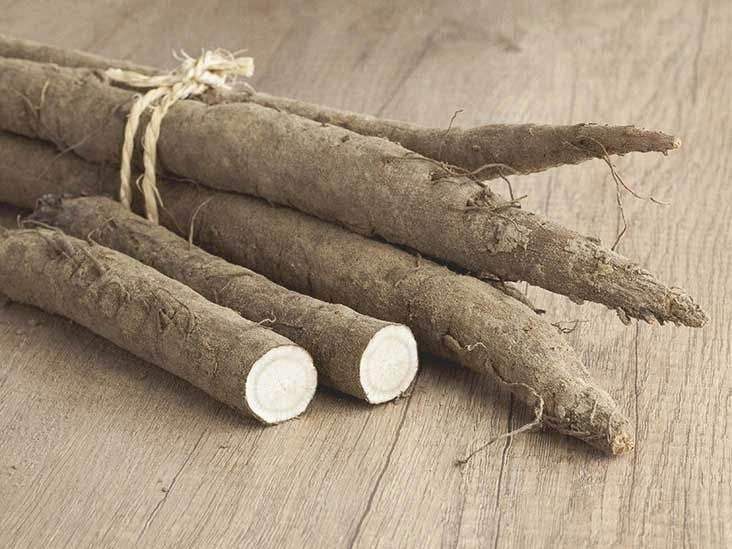
Burdock root is a vegetable abundant in antioxidants and frequently used as a natural treatment for certain skin ailments. It is offered as a tea, whole root, powder, or extract and can be added to various dishes.
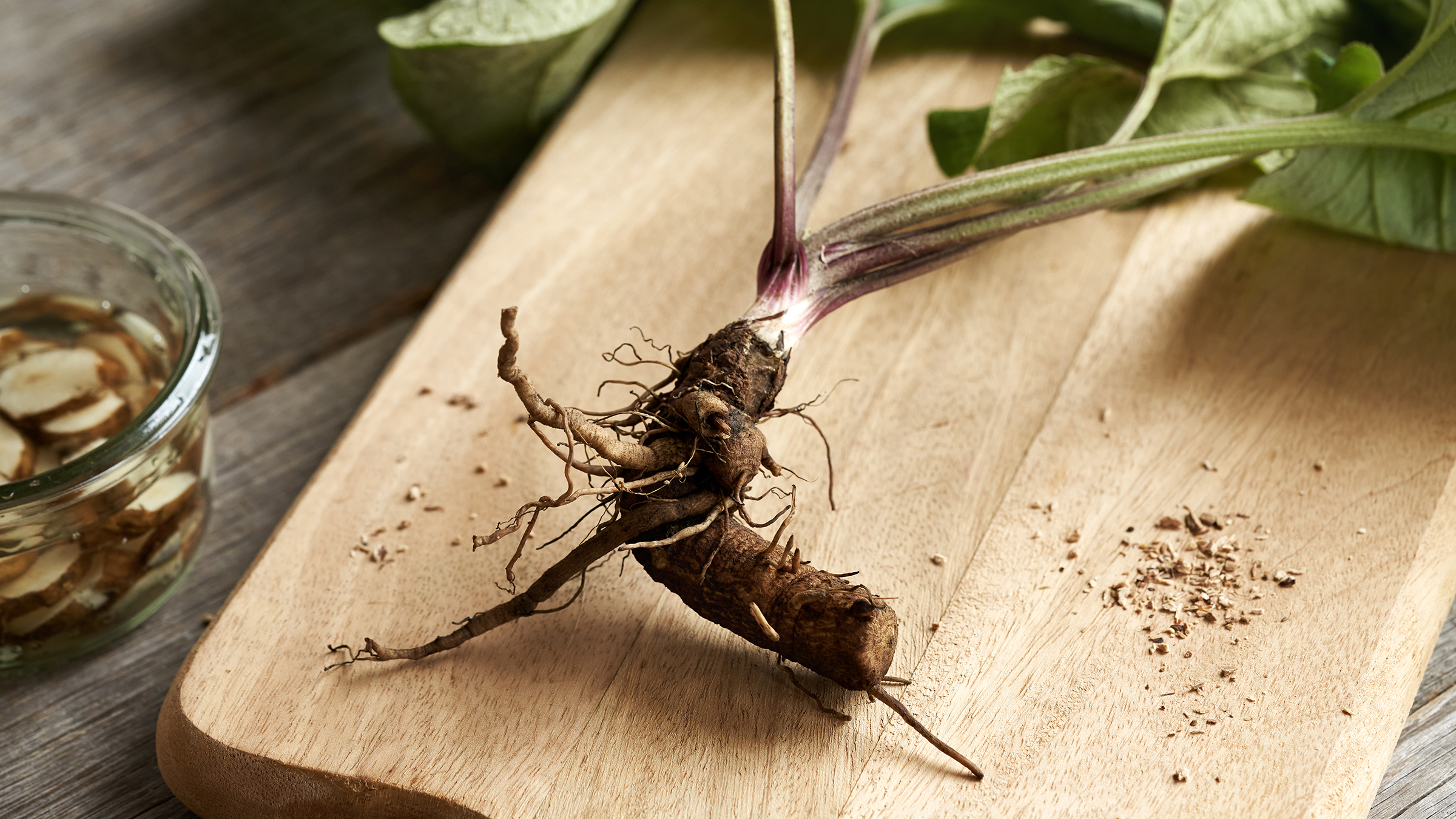
Scientists have identified many possible applications and health advantages for burdock root. These effects may be substantial enough to consider burdock root as a complementary approach for particular conditions.
What is burdock root?
Burdock root is a plant native to Northern Asia and Europe, though it now grows in parts of the United States. The burdock plant produces long, deep roots that range in outer color from beige to brown and nearly black.
Burdock root has been employed for centuries in traditional medicine to address a range of ailments. Historically, it has most often been used to manage infections and wounds (1).
1. A rich source of antioxidants
Burdock root has been shown to contain several potent antioxidants, such as quercetin, luteolin, and phenolic acids (2).
Antioxidants shield the body’s cells from harm caused by free radicals. They can assist in treating and preventing various health problems (3).
Antioxidants may also help lower inflammation. One study reported that burdock root decreased inflammatory markers in the blood of people with osteoarthritis (4).
2. May reduce blood sugar
Burdock contains compounds like fructooligosaccharides and chlorogenic acid, which in laboratory and animal tests have been associated with improved insulin sensitivity and reduced blood glucose levels.
These findings, however, come from in vitro and animal research using burdock extracts. Human clinical trials are required (5).
3. May hinder some cancers
Burdock root may also have activity against certain cancer types.
Studies have reported that burdock showed “potent inhibitory effects” on growth in cancers such as pancreatic carcinoma. Another study observed that burdock root significantly reduced tumor growth in mice with melanoma (6, 7).
Human studies are necessary before recommending burdock root for cancer prevention or treatment.
4. Potential aphrodisiac effects
Another proposed use for burdock root is as an aphrodisiac. In an animal study, burdock root extract exhibited aphrodisiac properties, enhancing sexual function and increasing sexual behaviors in male rats (8).
Human research is lacking, though anecdotal reports support this possibility.
5. May help with skin problems
Burdock root has a history of use for treating several skin disorders. Its anti-inflammatory and antibacterial qualities may help protect against skin infections and encourage wound healing (9).
In one trial, people with acne who took oral burdock supplements experienced fewer pimples and better quality of life after six months. The study was small and lacked a control group, however (10).
Potential risks and side effects
There is little to no research on burdock root use in children, and its safety has not been evaluated for pediatric populations. For this reason, do not give burdock root to a child unless directed by a healthcare professional.
Some possible risks associated with burdock include:
- If you use burdock supplements, do so sparingly. More research is necessary to establish supplement safety.
- Burdock is generally safe to consume, but purchase from trustworthy sources and avoid foraging wild roots. Burdock roots can resemble those of toxic plants like deadly nightshade, and they may appear near each other.
- Burdock root acts as a natural diuretic, so avoid it if you are dehydrated. Also avoid combining it with other diuretics or “water pills,” as this may increase dehydration risk.
- If you are allergic to chrysanthemums or daisies, you may be more likely to have an allergic reaction to burdock root and should steer clear of it.
- Pregnant women or those trying to conceive should not take burdock root or its supplements.
Burdock root is sold as tea and dietary supplements. Follow your healthcare provider’s guidance and the product label. Supplements are not regulated by the U.S. Food and Drug Administration (FDA) and may have issues with quality, purity, or dosing.
Forms and doses
Burdock root is available in several forms, including:
- fresh burdock root
- burdock tea
- dried root powder
- burdock oil or extract
Recipes
Adding burdock root to meals can be easy once you learn a few simple recipes.
To prepare burdock root, peel it first, then fry, boil, or sauté. Some recipes to try include:
Summary
Burdock root is a multifaceted plant that can be eaten as food, used as a powder or tea, or processed into extracts or oils. Early laboratory and animal research suggests burdock may confer certain health benefits.
Talk with a healthcare provider or registered dietitian to determine whether burdock is appropriate for you. When buying extracts, oils, or powdered forms, purchase from reputable vendors.
















Leave a Reply
You must be logged in to post a comment.