

Red raspberry leaf tea is abundant in antioxidants and is popularly used anecdotally to relieve premenstrual syndrome symptoms. It’s also thought to provide advantages during pregnancy, though stronger evidence is required.
Red raspberry is a plant indigenous to Europe and parts of Asia. While its sweet, nutritious berries are most familiar, the leaves are likewise rich in nutrients. They are commonly brewed into herbal teas for traditional medicinal uses.
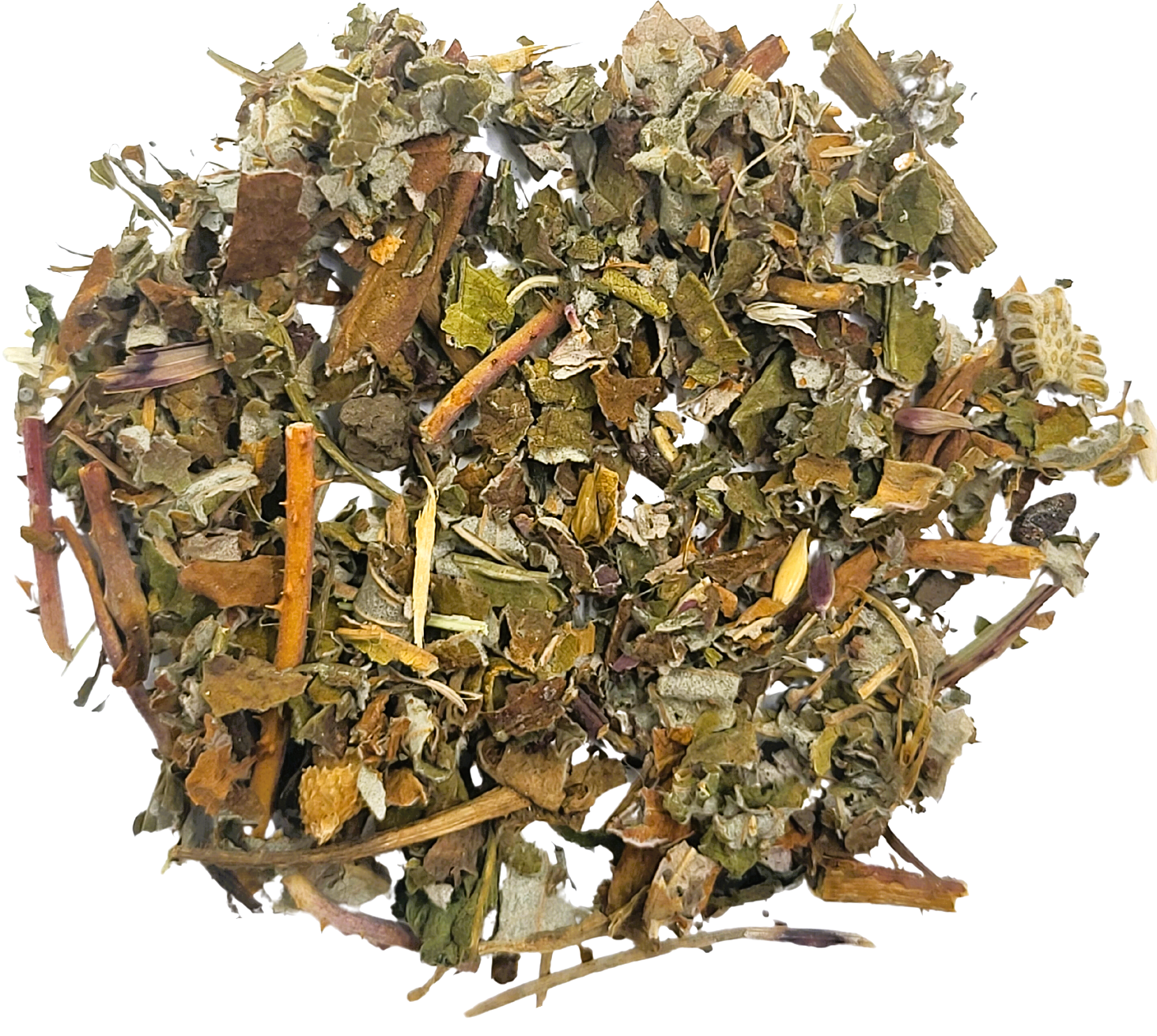
For generations, tea made from red raspberry leaves has been employed to address a variety of health complaints and has been used historically to help induce labor in pregnancy.
This article examines the suggested health effects and possible adverse reactions associated with red raspberry leaf tea.
Health benefits of red raspberry leaf tea
Red raspberry leaves contain numerous nutrients and may provide several health advantages.
Good source of antioxidants
Red raspberry leaves offer a solid supply of antioxidants. They contain antioxidant compounds such as ellagitannins, hydroxybenzoic acids, and anthocyanins,
Antioxidants can neutralize damaging free radicals and help protect against inflammation and long-term disease.
Additionally, the leaves hold small quantities of ellagic acid, which has demonstrated anticancer activity in some lab-based studies, including research from 2020 and 2017.
Although further research is necessary to confirm the cancer-preventive potential of red raspberry leaves, current findings are encouraging.
May ease symptoms of premenstrual syndrome
Red raspberry leaf tea is commonly noted for its possible benefits during pregnancy, but it also appears to assist menstruating individuals.
Some people sip red raspberry leaf tea to alleviate premenstrual syndrome (PMS) signs like cramping, vomiting, nausea, and diarrhea. Much of this support is anecdotal, however.
More investigation is needed and no specific intake guidelines exist, but drinking red raspberry leaf tea may help relieve some menstrual discomforts.
Uses of red raspberry leaf tea in pregnancy
Herbal infusions have been used by midwives across history to address several unpleasant symptoms associated with pregnancy and childbirth.
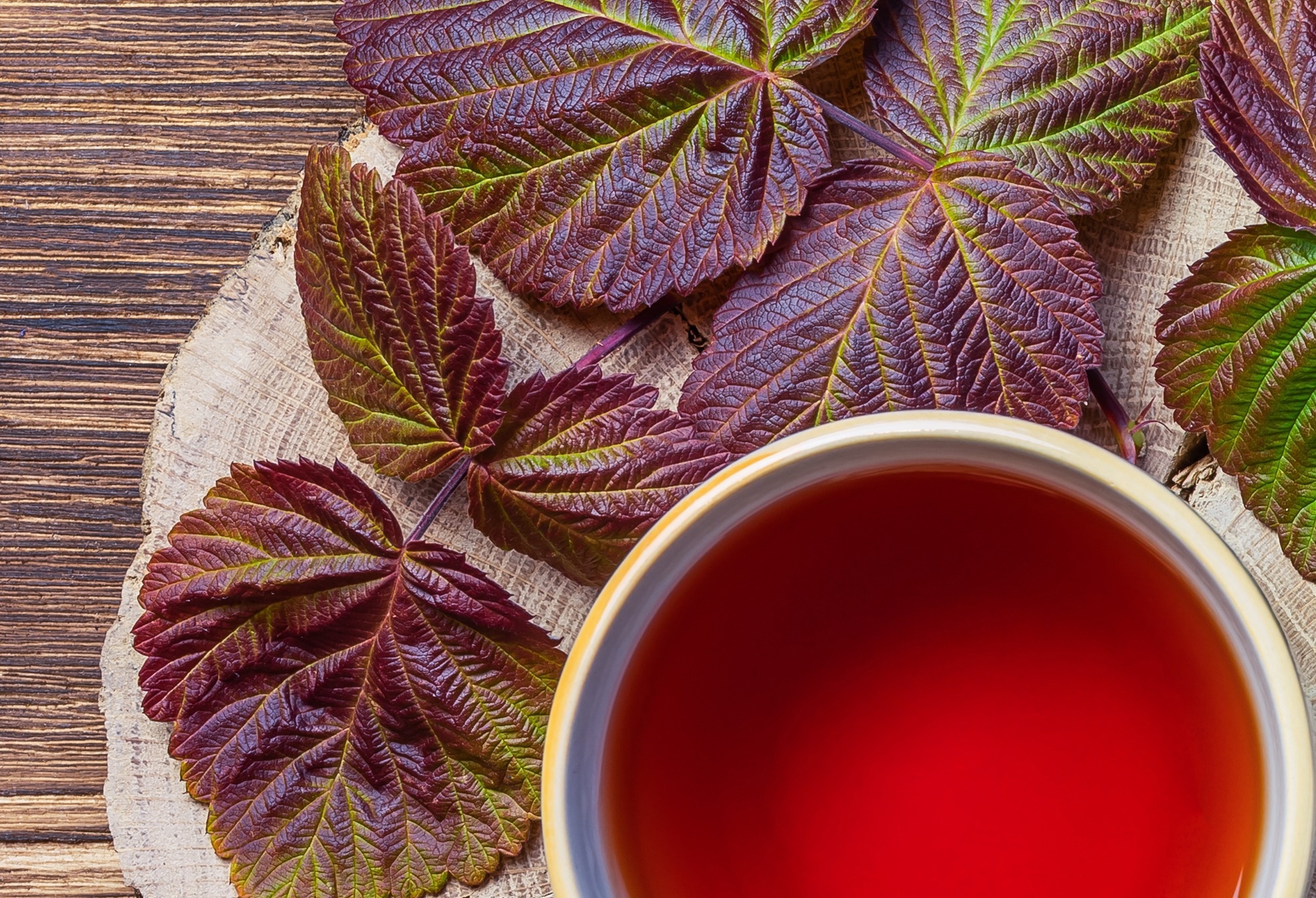
Some suggest red raspberry leaf tea may help reduce labor duration and lessen the need for birthing interventions. Others use it to combat nausea and vomiting early in pregnancy.
Still, higher-quality studies are required to substantiate these claims.
May help shorten labor and reduce interventions
Many individuals assert that red raspberry leaf tea can decrease labor duration.
A 2021 literature review reported that although many pregnant women consume raspberry leaf during pregnancy aiming for an easier delivery, there is limited evidence so far to validate this practice.
A 2001 trial indicated that raspberry leaf tablets did not cause harm to mother or baby but did not significantly reduce labor length.
May reduce interventions and complications of childbirth
Some data suggest that drinking red raspberry leaf tea might be linked to fewer childbirth complications.
A small 2024 study examined raspberry leaf use during pregnancy. Of 91 pregnant participants, 44 used raspberry leaf and 47 did not.
A smaller share of the raspberry leaf group required labor interventions (such as epidural anesthesia, instrumental delivery, or cesarean section). A greater portion of that group experienced vaginal birth and shorter labors.
Researchers found raspberry leaf use was strongly predictive of avoiding medically augmented labor, but emphasized that more research is necessary to verify this advantage.
Red raspberry leaf tea dosage and side effects
Red raspberry leaf tea seems to be safe for most people.
When side effects occur, they are usually mild but still worth noting.
Anecdotal reports indicate red raspberry leaf tea may act as a mild laxative and cause softer stools in some individuals.
It’s also important to remember there are no formal recommendations on the amount to consume.
Whether pregnant or not, consult a healthcare provider before using red raspberry leaf tea. Stop using it immediately if you experience any negative effects, including spotting or Braxton Hicks contractions during pregnancy.
The takeaway
Red raspberry leaf tea is often promoted as a remedy to shorten labor, tone the uterus, and improve birth outcomes for pregnant people, but evidence supporting these assertions is limited.

Red raspberry leaves are rich in antioxidants and are anecdotally thought to help with premenstrual symptoms.
Nonetheless, additional research is needed to fully understand the health effects of red raspberry leaf tea.

















Leave a Reply
You must be logged in to post a comment.