
What you consume plays a key role in treatment when you’re using semaglutide for type 2 diabetes or obesity. Choosing foods that complement semaglutide can lower the risk of side effects and improve health results.
Semaglutide is the active compound in the FDA-approved medications Wegovy, Ozempic, and Rybelsus.
It’s part of a group of drugs called glucagon-like peptide-1 (GLP-1) receptor agonists. These medicines imitate GLP-1, a hormone made in the intestines. By attaching to GLP-1 receptors in the body, semaglutide helps control blood sugar and decreases appetite.
Ozempic and Rybelsus are approved to reduce blood glucose in adults with type 2 diabetes when combined with diet and exercise. Wegovy is the only FDA-approved semaglutide product for overweight and obesity.
No matter which of these medications you’re on, your food choices can affect both the side effects you might experience and how effectively semaglutide works for you.

Best foods to eat while using semaglutide
There aren’t strict dietary rules tied specifically to semaglutide. For weight loss, it’s used alongside a calorie-reduced eating plan. If semaglutide is prescribed for type 2 diabetes, the drug manufacturer recommends a diet aimed at stabilizing blood sugar.
Within those broad guidelines, the most helpful foods while taking semaglutide are ones that support your health goals and cooperate with the medication’s effects on your body rather than counteracting them.
These include items such as:
- prebiotic fibers and resistant starches like lentils, beans, and peas
- low-glycemic choices
- lean protein sources
Foods to help with slower gastric emptying and GI comfort
As a GLP-1 receptor agonist, semaglutide slows gastric emptying, meaning your stomach clears more slowly after meals.
Slower gastric emptying can create a sense of fullness, but it may also cause side effects like bloating, nausea, acid reflux, and general discomfort. GI issues are among the most frequently reported side effects of semaglutide.
Certain foods can naturally worsen these symptoms.
“Semaglutide can cause heartburn, so foods that are spicy, fatty, or acidic may be bothersome,” said Dr. Lauren Lemieux, an internist and obesity medicine specialist at FORM Health in Boston, Massachusetts.
To support digestive changes, Kara Landau, a registered dietitian in New York City and nutrition advisor to the Global Prebiotic Association, recommends including a variety of foods that provide prebiotic fibers and resistant starches.
Prebiotic fibers and resistant starches are hard to digest. They travel through the intestines to the colon, where they feed beneficial bacteria that support healthy digestion.
“Additionally, these nutrients help naturally stimulate GLP-1 […] and thereby allow [semaglutide] users to maintain natural ways of keeping their GLP-1 production elevated (and related satiety hormones working to their benefit) for when they decide to stop the medication,” Landau said.
Landau recommends the following foods, which are high in prebiotic fibers and resistant starches:
- cooked and cooled whole grains and potatoes
- legumes
- lentils
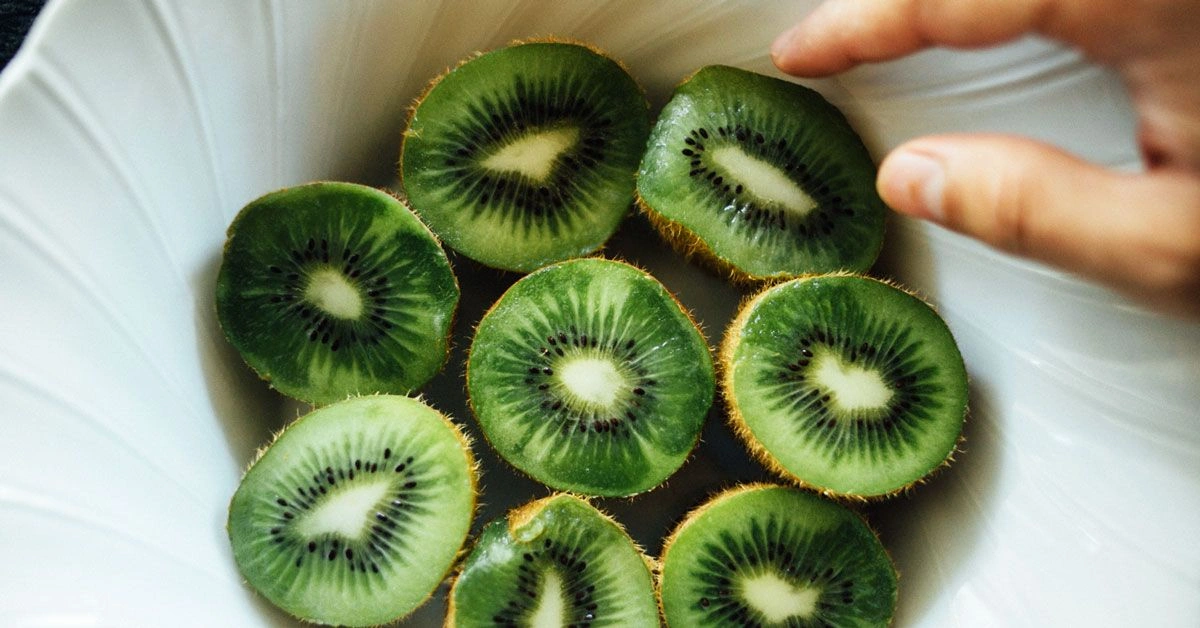
- kiwi
- less-ripe bananas
- partially cooked oats (for example, overnight oats)
If you develop nausea while taking semaglutide, the makers of Wegovy and Ozempic recommend bland, low-fat options such as crackers, toast, and rice, and advise focusing on foods with high water content, like broths and gelatin.
Foods to support blood sugar control
Semaglutide helps stabilize blood sugar, but eating large amounts of sugary foods and drinks can counteract some of its benefits. High-sugar items can produce rapid blood glucose spikes, making it harder to maintain steady levels even with medication.
Foods that help keep blood sugar steady are called low-glycemic. These are digested more slowly, producing a gradual release of glucose.
Low-glycemic options include:
- non-starchy vegetables (spinach, kale, cucumbers)
- whole grains (brown rice, quinoa, barley)
- legumes (beans, lentils, chickpeas)
- lean proteins
- avocados
- berries
High-sugar foods often come with a lot of calories, which can hinder weight loss efforts when using Wegovy.
Foods to prioritize with appetite suppression
Because semaglutide can markedly reduce appetite, Lemieux advises eating protein first to ensure you consume enough at each meal.
She usually encourages her patients at FORM to include a lean protein at every meal, such as chicken or fish. For those on plant-based diets, she suggests soy, lentils, quinoa, and other plant proteins.
“Adequate protein, paired with regular exercise, is essential to limit loss of lean muscle mass while losing weight on Wegovy,” she added. “I generally recommend 1.2–1.5 grams of protein per kilogram of body weight, though this can be modified depending on current weight or other medical issues that affect protein needs.”
Foods to avoid when using semaglutide
Broadly speaking, avoid foods that could cause GI upset, rapidly increase blood sugar, or add extra calories during your weight-loss plan.
Examples of foods to skip include:
- fried items or foods high in saturated/trans fats
- spicy dishes
- fatty cuts of meat
- baked treats, candy, and ice cream
- drinks with added sugars, like regular soda, fruit juice, and energy drinks
Weight-loss tips while taking semaglutide
If you’re prescribed Wegovy for weight loss, these strategies can help you get the most from the medication.
Start small — literally
To reduce the chance of GI upset and help control portions, Lemieux suggests cutting typical portions in half.
“I usually encourage patients to serve themselves half of what they’d normally eat, eat slowly, and wait 15–20 minutes after finishing the first serving to see if they’re still hungry before having more,” she said.
Clarify your goals
Lemieux also advises defining your reasons for pursuing weight loss with Wegovy to keep you motivated and on course when you feel discouraged.
“Explore deeper goals linked to weight loss beyond just a number on the scale,” she recommended. “Are you trying to be more active with young children? Do you want to travel comfortably? Will losing weight relieve knee pain?”
Eat plenty of fruits and vegetables — and don’t skip protein
To promote lasting fullness, the Wegovy manufacturer recommends consuming ample fruits and vegetables — but they should not replace lean protein.
Landau suggests increasing protein intake to help preserve lean mass and keep metabolism robust. She notes that combining strength-focused exercise with protein intake can aid in maintaining muscle during weight loss.
Use professional guidance
“Patients taking Wegovy should collaborate with a knowledgeable team, such as a physician and a registered dietitian, who will monitor your weight-loss progress and support healthy, sustainable results,” Lemieux said.
Besides helping craft meal plans, a care team can address other crucial elements for successful weight loss, including stress management, exercise guidance, and sleep improvement.
Bottom line
Depending on the reason for semaglutide use, medication guidelines advise a reduced-calorie diet or one focused on blood sugar control. Beyond that, there are no specific dietary mandates linked to semaglutide.
Still, choosing certain foods can lessen potential side effects and support how semaglutide acts in your body. Health experts recommend emphasizing lean proteins, low-glycemic foods, prebiotic fibers, and resistant starches.























Leave a Reply
You must be logged in to post a comment.