
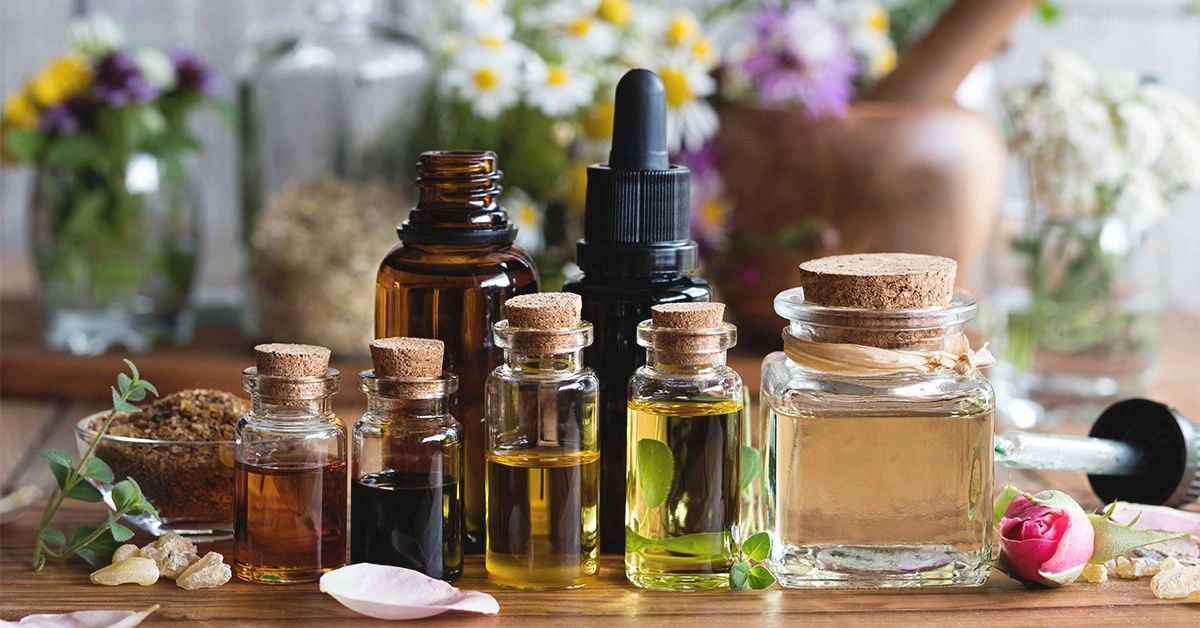
Essential oils are concentrated plant extracts taken from flowers, leaves, seeds, and other plant parts. Some of these oils may offer properties that help address specific skin concerns.
If you’re thinking about trying essential oils for particular skin issues, discuss the options below with your dermatologist to determine what might be appropriate for you.
Essential oils for dry skin
Dry skin can appear seasonally or in arid climates. It may also develop naturally with age as sebaceous (oil) gland activity declines.
While moisturizers and emollients are typical treatments, certain essential oils may offer additional relief.
Lavender
Lavender is often recommended for sleep and calm, but it can also help restore skin moisture balance. It acts as an anti-inflammatory to calm redness and serves as a gentle hydrator that can repair dry skin without leaving a heavy, greasy residue.
Chamomile
Chamomile oil contains azulene, which is associated with improved hydration and reduced inflammation. Note: if you have ragweed allergies, chamomile could provoke a reaction.
Sandalwood
Sandalwood includes compounds known for their anti-inflammatory effects and for supporting skin moisture.
Essential oils for oily skin
Oily skin results from overactive sebaceous glands producing excess oil. Humidity, heat, and hormonal shifts can worsen oiliness. The oils below are commonly used to help manage oily skin.
Clary sage
Clary sage contains constituents like linalyl acetate and geranyl that are often recommended for regulating sebum production. It’s also used to help control acne and may reduce wrinkle visibility in mature skin.
Rosemary
Rosemary oil is valued for its anti-inflammatory, stimulating, and analgesic traits. Its compounds, including esters, may limit excess sebum. Research has indicated benefits for oily hair and dandruff and possible stimulation of hair growth.
Frankincense
Although clinical evidence is limited, proponents report that frankincense can help with oily and acne-prone skin while supplying lipids useful for aging skin.
Geranium
Geranium’s mildly alkaline character is believed to help normalize skin oils. This makes it a frequent ingredient in soaps and useful for evening out hydration.
Neroli
Neroli contains citral and may help balance sebum levels without overly drying the skin.
Best essential oils for sensitive skin
Sensitive skin can be dry or oily and often coexists with conditions like allergies, eczema, and other dermatologic issues.
If your skin is sensitive, avoid highly acidic oils such as lemon and lemongrass. Oils generally considered safer for sensitive types include:
- lavender
- frankincense
- sandalwood
Essential oils for acne-prone skin
In acne, it’s important to remove surplus oil and bacteria without over-drying the skin, which can paradoxically boost oil production. Inflammation is also a common contributor to breakouts.
Rosemary and frankincense are known for reducing microbes and inflammation in acne. Clary sage is also used for acne and oily complexions. Additional oils that may benefit acne-prone skin include:
Lemon
Lemon oil, extracted from citrus peels, can help combat inflammation and neutralize free radicals that contribute to acne and photoaging.
Lemongrass
Lemongrass is naturally astringent and antimicrobial, which can help reduce pimples while removing excess dead skin cells.
Cinnamon
Cinnamon oil contains antioxidants such as cinnamic acid and has notable anti-inflammatory potential, which may help reduce inflammatory acne like cysts and pustules.
Tea tree
Derived from the melaleuca tree, tea tree oil is a well-known antiseptic in complementary medicine. It helps combat bacteria and inflammation linked to acne.
Essential oils for a skin rash
Certain essential oils can help rebalance moisture and soothe itching caused by rashes, including atopic dermatitis (eczema) and psoriasis.
A 2015 study found that a thyme and lavender combination improved eczema in mice, suggesting potential benefits for humans.
Other oils that may help with rashes include:
- lavender
- cinnamon
- geranium
If a rash causes pain, consider oils known for analgesic properties:
Peppermint
Peppermint oil contains menthol, which provides a cooling analgesic effect and can soothe hot, irritated rashes.
Wintergreen
Wintergreen contains methyl salicylate and offers pain-relieving benefits similar to peppermint, potentially calming painful rashes.
Eucalyptus
Eucalyptus oil is noted for pain relief and can help moisturize itchy, painful rashes.
Patchouli
Patchouli is known to reduce pain and inflammation, qualities useful for treating eczema-related flare-ups.
Essential oils for pigmentation
For issues like post-acne discoloration or sun-related age spots, some essential oils used in serums may help even skin tone.
Pomegranate
Pomegranate oil offers antioxidant and anti-inflammatory benefits that can support healthier, more uniform skin.
Carrot seed
Carrot seed oil is used to minimize scarring and may also help lessen wrinkle appearance in mature skin.
Tangerine
Tangerine oil has a high antioxidant content, which can promote smoother, more evenly toned skin.
Ylang ylang
Ylang ylang is credited with promoting balance and, according to a 2015 study, may inhibit skin pigmentation.
Other oils for pigmentation
- frankincense for age spots
- geranium to even skin tone
- lemon to counteract free radicals
- lavender to reduce redness
Essential oils for mature skin and anti-aging
As skin ages, it loses elasticity and collagen, leading to sagging, fine lines, and wrinkles. Some essential oils have been researched for possible anti-aging effects.
Rose
Rose oil contains antioxidants such as vitamins A and C that may encourage cell turnover, which slows with age, potentially resulting in a fresher, less lined appearance.
Myrrh
Historically used by Egyptian women in beauty regimens, myrrh is rich in antioxidants and is believed to promote circulation for brighter, more refined skin.
Other anti-aging oils
- lavender
- frankincense
- neroli
- carrot seed
- clary sage
- patchouli
- tangerine
How to use essential oils
Essential oils are typically inhaled or applied to the body. They should not be ingested. For topical use, always perform a patch test to check for allergies, and avoid contact with the eyes.
A patch test means applying a small amount of diluted oil to an area such as the forearm and waiting 24 hours to observe for any adverse reaction before using more broadly.
Diffuser
Diffusers are popular for dispersing essential oils into the air for inhalation (aromatherapy). While inhaling may produce relaxing or stimulating effects, it’s unlikely to deliver the same skin benefits as topical application.
Massage and direct application
Topical application is most relevant for treating skin issues. Essential oils should be diluted with a carrier oil like almond or olive oil before use.
Common guidance is a few drops of essential oil per tablespoon of carrier oil. Massage the blend into the skin until it’s fully absorbed.
Bath
Adding essential oils to a bath can address hard-to-reach areas. Use up to 10 drops in running bath water. Be careful when exiting, as the oils can create slippery surfaces.
Side effects and precautions
Using essential oils on skin without proper dilution can cause rashes and irritation. Always mix oils with a carrier oil (jojoba, olive, etc.) before topical use.
Perform a small patch test on the forearm and wait 24 hours to ensure no allergic response.
Many citrus oils—such as lemon, grapefruit, tangerine, and lemongrass—can increase sensitivity to sunlight and may cause irritation when exposed to UV light. Use caution with these.
Although natural, essential oils can be as potent as pharmaceutical agents. Do not ingest them, and avoid self-treating medical conditions. Consult a physician before using essential oils if you are pregnant or breastfeeding.
Where to get essential oils
Essential oils are sold at natural health stores, some supermarkets, and many drugstores. You can also purchase them online from retailers such as:
Remember that product quality varies. Some bottles may contain synthetic additives, fillers, or extra fragrances. Others may already be mixed with a carrier oil—check ingredient lists carefully to ensure the product meets your needs.
Takeaway
Because many essential oils have anti-inflammatory, antibacterial, and soothing characteristics, they’re used for various skin concerns. Research is ongoing, but users report benefits for dry, oily, and acne-prone skin.
Consult your dermatologist before starting essential oils, especially if you have conditions like eczema, rosacea, or psoriasis. Discontinue use and seek medical advice if you notice any adverse reactions.

















Leave a Reply
You must be logged in to post a comment.