

The cost of hearing aids varies widely depending on the brand, technology level, and built-in features. In general, prices can range from about $900 to more than $6,000 for a pair. When reviewing a Phonak price list or comparing other leading manufacturers, it’s important to understand what influences these figures and what you’re actually paying for.

According to the National Institute on Deafness and Other Communication Disorders (NIDCD), approximately 37.5 million U.S. adults experience some degree of hearing loss. Despite this, only 1 in 3 people who could benefit from hearing aids actually use them. Cost is one of the most significant barriers preventing individuals from seeking treatment.
How much do different types of hearing aids cost?
Hearing aids are medical devices regulated by the Food and Drug Administration (FDA) and are designed to be worn either in or behind the ear. They can represent a substantial investment. On average, a set may cost anywhere from $900 to over $6,000, depending on style, brand, and included services.
Price differences do not always directly correlate with performance. Just as with eyeglasses or dental appliances, the best choice depends on your unique anatomy, degree of hearing loss, and lifestyle needs. What works exceptionally well for one person may not be ideal for another.
Premium devices often include advanced capabilities such as Bluetooth wireless connectivity, smartphone app integration, rechargeable batteries, or tinnitus masking features. If you’re reviewing a Phonak price list, you’ll likely notice that higher-tier models include cutting-edge sound processing and connectivity options.
Discreet styles like completely-in-canal (CIC) and in-the-canal (ITC) models frequently cost more due to their compact size and custom design. For example, the Eargo 7 hearing aid is $2,950 for a pair, while a pair of behind-the-ear (BTE) hearing aids from MDHearing costs $1,199.98.
Purchasing through an audiologist may increase the total price because it often includes customization, programming, and follow-up services.
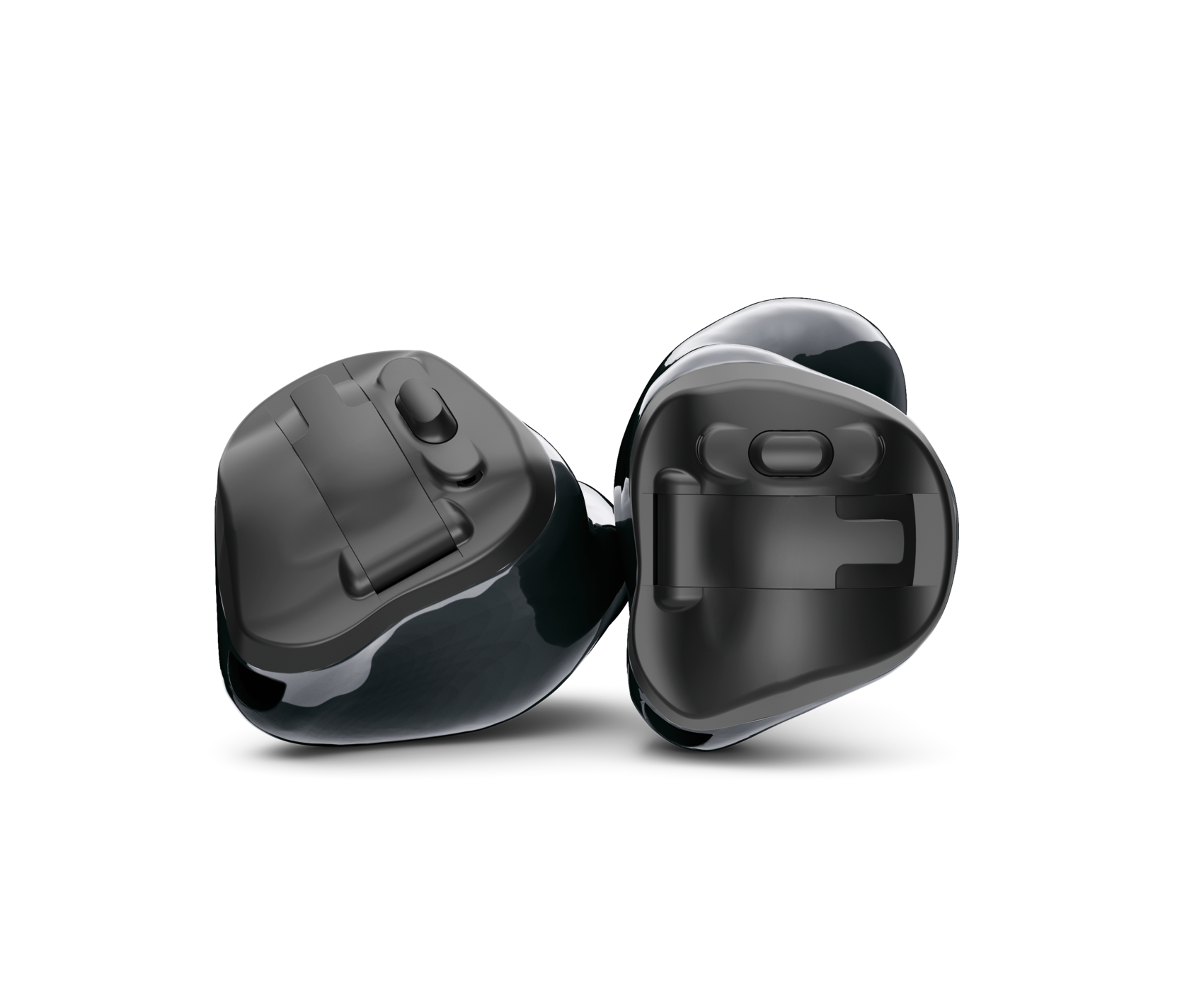
Types of hearing aids
Common hearing aid styles include:
- BTE
- in the ear (ITE)
- ITC
- CIC
Regardless of design, all hearing aids share core components and function in similar ways: capturing sound, amplifying it, and delivering it into the ear canal.
Overall, you can expect to pay between $900 and more than $6,000 for a pair. With proper care and maintenance, most devices are intended to last several years.
What does the cost of hearing aids include?
The listed price of hearing aids frequently covers more than just the device itself. Many providers use a bundled pricing model that incorporates additional services and benefits.
Bundled pricing vs. unbundled
Bundled hearing aid pricing may include:
- a hearing test
- consultation with a hearing professional
- fitting and adjustments as needed
- hearing aid cleanings
- a warranty that may include a one-time replacement of hearing aids
With unbundled pricing, you select and pay only for specific services you want. This approach may lower your upfront cost, though ongoing visits could be billed separately.
Your location and healthcare professionals
Where you live can significantly influence hearing aid prices. State regulations, provider competition, and local business costs all affect the final amount. The experience and credentials of your audiologist or dispenser may also impact pricing.
Technology
Hearing aid technology continues to advance rapidly. Today’s models provide clearer sound processing and improved background noise management compared to earlier generations. Some incorporate artificial intelligence, Bluetooth connectivity, and tinnitus masking features.
If you’re working within a limited budget, more basic models are available. Lower-cost devices may offer fewer customization options, reduced fine-tuning, and manual controls instead of automatic adjustments.
Even budget-friendly hearing aids can include:
- wireless functionality, allowing two hearing aids to work together without a wire
- directional microphones, which enhance sounds in front of the hearing aid wearer
- noise reduction, by analyzing the sound signal and reducing background noise and static for better sound quality
Why do hearing aids cost so much?
In 2015, the President’s Council of Advisors on Science and Technology evaluated hearing technologies and identified several factors that contribute to high prices:
- lack of health insurance
- improved innovations in technology but not reduced consumer costs
- bundling of costs associated with hearing aids
- manufacturing and sales practices, plus state regulations that limit cost-comparison shopping
Manufacturers often apply substantial markups to cover research, development, parts, production, and staff salaries. These expenses are reflected in retail pricing.
If you’re comparing brands, reviewing resources like Phonak hearing aid models and prices can help you better understand differences in technology tiers and cost structures.
Are over-the-counter hearing aids cheaper?
To improve accessibility, the FDA introduced a category of over-the-counter (OTC) hearing aids. These devices are generally more affordable than prescription models and do not require an audiogram or professional fitting.
Unlike personal sound amplification products (PSAPs), which simply amplify environmental sound, OTC hearing aids function similarly to prescription devices. They include a maximum output limit to help reduce the risk of ear injuries caused by oversimplification.
OTC hearing aids are intended for mild to moderate hearing loss only. Individuals with more severe impairment should consult an audiologist for comprehensive evaluation and treatment.
Prices for OTC hearing aids typically range from $200 to $3,000 per pair, which is often significantly lower than prescription options.
Can you buy hearing aids online?
Many reputable online retailers sell hearing aids at reduced prices. Some manufacturers offer direct-to-consumer sales, sometimes including virtual consultations or remote programming.
You can purchase OTC hearing aids online at:
If you’re comparing warehouse options, reviewing Phonak hearing aid prices at Costco may help you determine whether membership-based centers provide meaningful savings.
Does insurance cover hearing aids?
Most insurance plans do not fully cover hearing aids, although some may provide partial reimbursement. Original Medicare does not cover hearing aids, but certain Medicare Advantage Part C plans might offer limited benefits.
Before purchasing, contact your insurer to clarify eligibility, coverage limits, and approved providers. Many companies require preauthorization and a cost estimate before approving reimbursement.
How can I save on hearing aids?
- OTC hearing aids: Suitable for mild to moderate hearing loss and typically more affordable.
- Warehouse clubs and big-box stores: These may offer competitive pricing.
- Online retailers: Direct-to-consumer models can reduce overhead costs.
- Medicare Advantage plans: Some Part C plans include partial coverage.
- HSA or FSA: You may be able to use pretax dollars for eligible expenses.
- Request an itemized breakdown: Decline services you do not need.
- Choose essential features only: Avoid unnecessary add-ons.
Is there financing for hearing aids?
Some providers and manufacturers offer installment payment plans, allowing you to spread costs over 12 months or longer. Be cautious with healthcare credit cards, as interest rates may increase unexpectedly.
Nonprofit organizations such as Help America Hear assist individuals with limited financial resources.
What’s the benefit of hearing aids?
Untreated hearing loss can significantly reduce quality of life, particularly among older adults. A 2012 study associates untreated hearing loss with loneliness, isolation, dependence, and frustration.
Social withdrawal and communication challenges can also contribute to stress and depression. A 2020 research review suggests that hearing loss in older adults may increase the risk of dementia.
Using hearing aids can support independence, improve communication, and enhance social engagement. Many people find that devices restore everyday pleasures such as enjoying conversations or listening to music.
When to visit a doctor about hearing aids
If you notice signs of hearing difficulty—such as frequently asking others to repeat themselves or increasing the television volume—it’s advisable to schedule a hearing test with an audiologist.
Some forms of hearing loss stem from underlying medical or neurological conditions. For example, some neurological conditions can cause hearing loss. A comprehensive evaluation helps determine whether additional medical treatment is needed.
An audiologist can also recommend and program devices tailored to your specific hearing profile and lifestyle.
Takeaway
Hearing aids are FDA-approved medical devices that improve hearing for people with hearing loss. Costs can range from under $1,000 to more than $6,000 per pair, depending on technology and services included.
Insurance coverage is limited, and original Medicare does not cover hearing aids. However, savings strategies, OTC options, financing plans, and careful comparison of brand pricing—such as reviewing a detailed Phonak price list—can help make treatment more affordable.
Consulting an audiologist ensures you receive the most appropriate and cost-effective solution for your individual needs.




















Leave a Reply
You must be logged in to post a comment.