
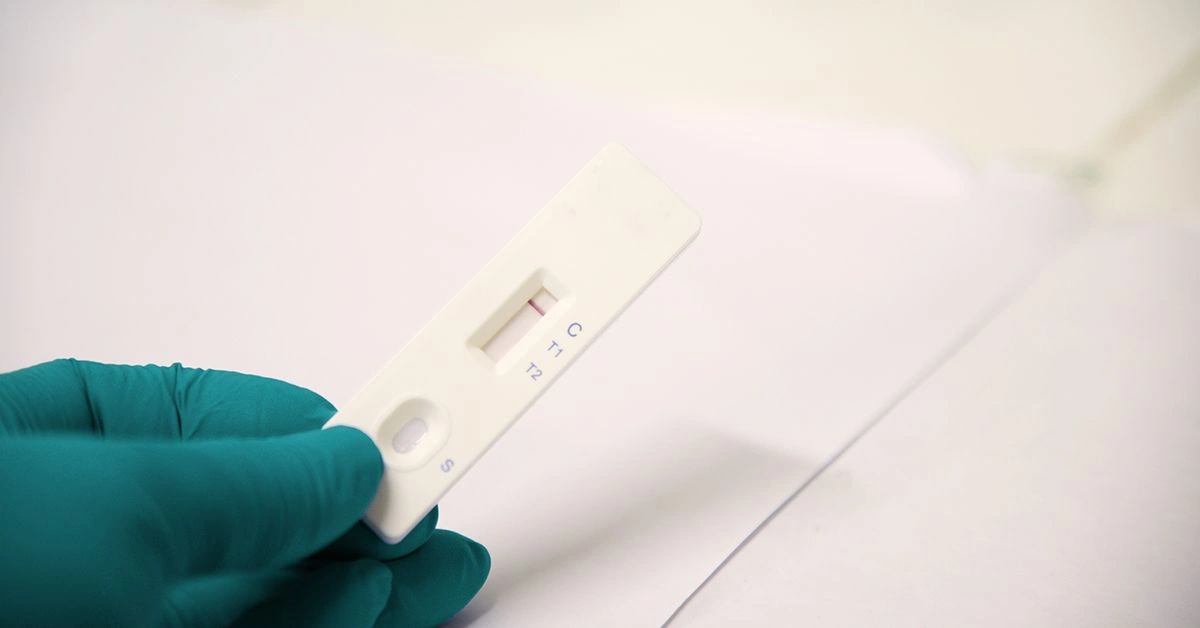
The blood test used to identify nicotine in the body is known as a cotinine test. It evaluates recent tobacco use as well as exposure to nicotine from various sources. If you’re wondering What all contains cotinine, it’s important to understand that cotinine itself is not typically found in products but is formed inside the body after nicotine is metabolized.
Cotinine is a chemical that comes from the breakdown of nicotine in the body. When someone uses tobacco products such as cigarettes, cigars, smokeless tobacco, or nicotine replacement therapy, nicotine enters the bloodstream and is converted into cotinine by the liver. A blood test for nicotine exposure checks for elevated levels of cotinine because it remains in the body longer than nicotine itself, making it a reliable biomarker.

After quitting smoking, it may take several days for cotinine to be eliminated from your system. If you are trying to stop smoking, there are multiple supportive strategies available, including nicotine replacement products and professional counseling. Understanding how cotinine testing works can also help you monitor your progress during smoking cessation.
How is the test conducted?
Cotinine is detectable in blood, urine, saliva, and hair samples. Depending on the purpose of the test, you may be asked to provide either a urine or blood specimen. Although urine typically contains higher concentrations of cotinine, healthcare providers may choose a blood sample for more precise measurement of recent nicotine exposure.

A cotinine blood test requires drawing a small amount of blood from a vein, usually in your arm. You may need to visit a clinic, laboratory, or testing facility. If you are hospitalized or undergoing medical care, a doctor or nurse can collect the sample at the bedside.
The collected blood sample is then sent to a laboratory, where technicians analyze the cotinine concentration to determine whether nicotine exposure has occurred.
No special preparation is needed before the test. You do not have to fast or adjust your routine medications unless specifically instructed by your healthcare provider.
When are nicotine blood tests used?
There are several situations in which a nicotine blood test may be required. Understanding What all contains cotinine and how exposure happens can clarify why testing is necessary. Below are common circumstances where cotinine testing is used:
- Medical procedures: Certain medical treatments, including organ transplants and various surgical procedures, require patients to stop smoking beforehand. Cotinine testing helps verify smoking cessation and reduces surgical risks linked to tobacco use.
- Nicotine poisoning: Cotinine testing can confirm nicotine poisoning. This may occur after accidental ingestion of nicotine gum, e-liquids, or other nicotine-containing products, particularly in children. Early detection is critical for prompt treatment.
- Employment: Some workplaces prohibit smoking and may require mandatory cotinine testing to ensure employees are tobacco-free, especially in safety-sensitive roles.
- Insurance: You may need to undergo a nicotine blood test as part of a medical evaluation when applying for life insurance or health insurance. Insurers often use cotinine levels to determine tobacco use status, which can affect premium rates.
- Smoking cessation programs: A cotinine test can assess adherence to a smoking cessation program. It also assists healthcare professionals in monitoring nicotine withdrawal and designing a personalized rehabilitation plan.
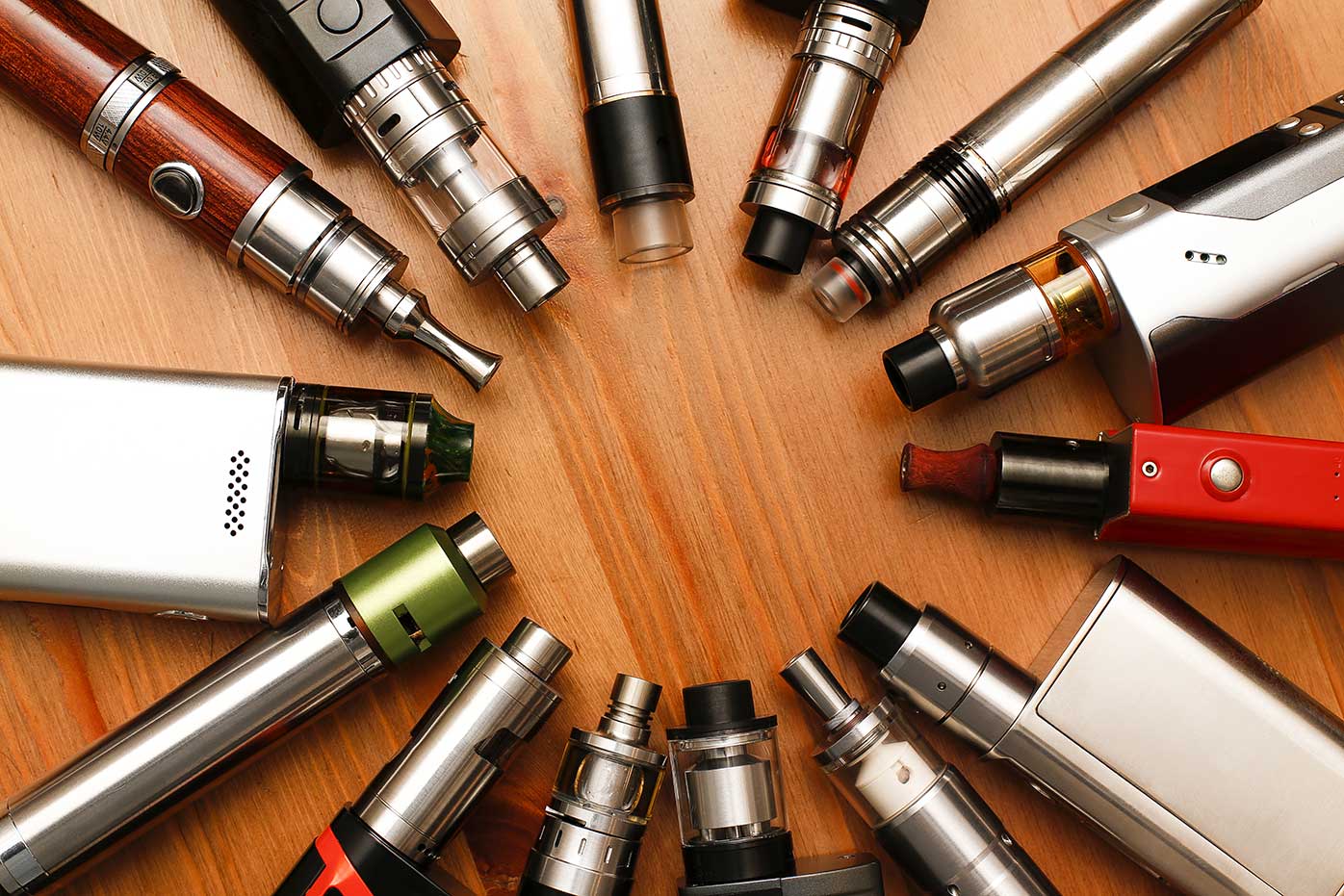
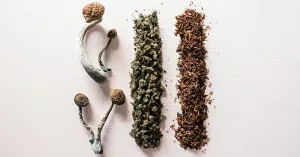
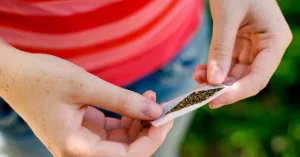
Because cotinine reflects nicotine intake from cigarettes, vaping devices, nicotine patches, gum, and even secondhand smoke, testing provides an objective way to evaluate exposure. Questions sometimes arise about other substances, such as cannabis; for example, some people ask Is cotinine in weed. Cotinine specifically results from nicotine metabolism, not from cannabis itself, unless the product also contains nicotine.
What is a normal cotinine level?
Cotinine concentrations in blood are reported in nanograms per milliliter (ng/mL).
The following reference values vary depending on tobacco use status and whether there has been passive exposure, such as secondhand smoke:
- Nontobacco user with no passive exposure: less than 10 ng/mL
- Nontobacco user with passive exposure: 11 to 30 ng/mL
- Active tobacco user: may be over 500 ng/mL
Reference ranges differ for urine testing. For a nontobacco user, urine cotinine levels are generally below 10 ng/mL.
Keep in mind that cotinine levels can vary based on age, gender, metabolism, liver function, and overall health status. Even environmental exposure to tobacco smoke may slightly elevate results. This variability is why healthcare providers interpret cotinine levels within the broader clinical context.
How long after quitting smoking does nicotine leave your body?
Within 7 to 10 days of stopping smoking, cotinine levels in your blood, saliva, or urine typically approach those seen in a nontobacco user. Because cotinine has a longer half-life than nicotine, it serves as a dependable indicator of recent tobacco use.
In one 2020 study , the nicotine and cotinine levels of participants in a quit-smoking program decreased to 1.8% and 3.4%, respectively, just 2 weeks after quitting smoking. After 8 weeks without tobacco, levels dropped further to 1.7% and 0.2% of their pre-cessation values. These findings highlight how the body gradually clears nicotine byproducts over time.
The speed of elimination depends on factors such as how long and how heavily you smoked, your metabolic rate, and whether you are using nicotine replacement therapy. Staying tobacco-free allows your body to continue clearing residual cotinine and supports long-term health improvements.
Support options for quitting smoking
If you are planning to quit smoking, you have many options available to support your journey:
- Counseling: A mental health professional can prepare you for smoking cessation through one-on-one counseling sessions. They also provide strategies to manage relapse triggers. Your doctor may refer you to a counselor or local support group.
- Quit lines: Call 800-QUIT-NOW for telephone-based counseling to help you stop smoking. You can also reach 877-448-7848 for additional tips and guidance. Both numbers are available 24 hours a day, 7 days a week.
- Live chat: Livehelp.cancer.gov provides an online chat service where you can communicate with a quit-smoking counselor during designated weekday hours.
- Smoking cessation products: Nicotine replacement products can ease the transition away from tobacco. Common choices include nicotine patches, gum, lozenges, inhalers, and nasal sprays. A doctor or pharmacist can help determine the most appropriate option for you.
- Medications: Prescription medications are also available for smoking cessation. A doctor can evaluate your medical history and prescribe suitable options such as bupropion SR (Wellbutrin, Zyban) or varenicline (Chantix).
- Online resources: The Centers for Disease Control and Prevention (CDC) offers free digital tools on its How to Quit Smoking page, including practical advice on handling withdrawal symptoms and developing a quit plan.
Combining behavioral support with medication or nicotine replacement therapy often increases the likelihood of long-term success. Monitoring cotinine levels during this process can provide measurable feedback and reinforce progress.
Takeaway
A blood test for nicotine measures cotinine, a chemical produced when nicotine is broken down in the body. Because cotinine stays in the bloodstream longer than nicotine, it is widely used to confirm recent tobacco use or exposure.
After quitting smoking, it generally takes 7 to 10 days for cotinine levels to decline to ranges similar to those of someone who does not use tobacco. Understanding What all contains cotinine—meaning what leads to its formation in the body—can help you better interpret test results and stay informed about your health.


















Leave a Reply
You must be logged in to post a comment.