
Quick relief for diarrhea often involves a combination of dietary adjustments, over-the-counter (OTC) medications, adequate hydration, and sometimes probiotics. The most appropriate approach depends largely on the underlying cause, as well as the severity and duration of your symptoms.
Diarrhea is defined as passing loose, watery stools at least three times in a single day.
Management strategies vary based on how long symptoms persist, how intense they are, and what may be triggering them. In many cases, mild diarrhea improves on its own, but certain OTC remedies, natural approaches, and prescription medications can help ease discomfort and shorten recovery time.
If you’re considering medications like loperamide (Imodium) or bismuth subsalicylate (Pepto-Bismol), you might also wonder how soon can you take imodium after taking pepto-bismol. Understanding proper timing and safety precautions is important before combining or alternating these treatments, especially for short-term digestive upset.

When to see a doctor
Diarrhea lasting longer than 2 days may indicate an underlying medical condition that requires evaluation by a healthcare professional.
Seek urgent medical care if you notice any of the following symptoms:
- blood or pus in your stool
- black or pale stool
- fever
- chills
- abdominal pain
- unintentional weight loss
1. Take antidiarrheal medication
Although diarrhea sometimes resolves without intervention, certain OTC medications can provide faster symptom relief.
The two most widely used OTC antidiarrheal drugs are loperamide (Imodium) and bismuth subsalicylate (Pepto-Bismol). If you are unsure about timing or safety—such as how soon can you take imodium after taking pepto-bismol—it’s best to review product labels carefully or consult a healthcare professional. You can also explore more detailed comparisons like Imodium vs Pepto for food poisoning to better understand when each medication may be appropriate.
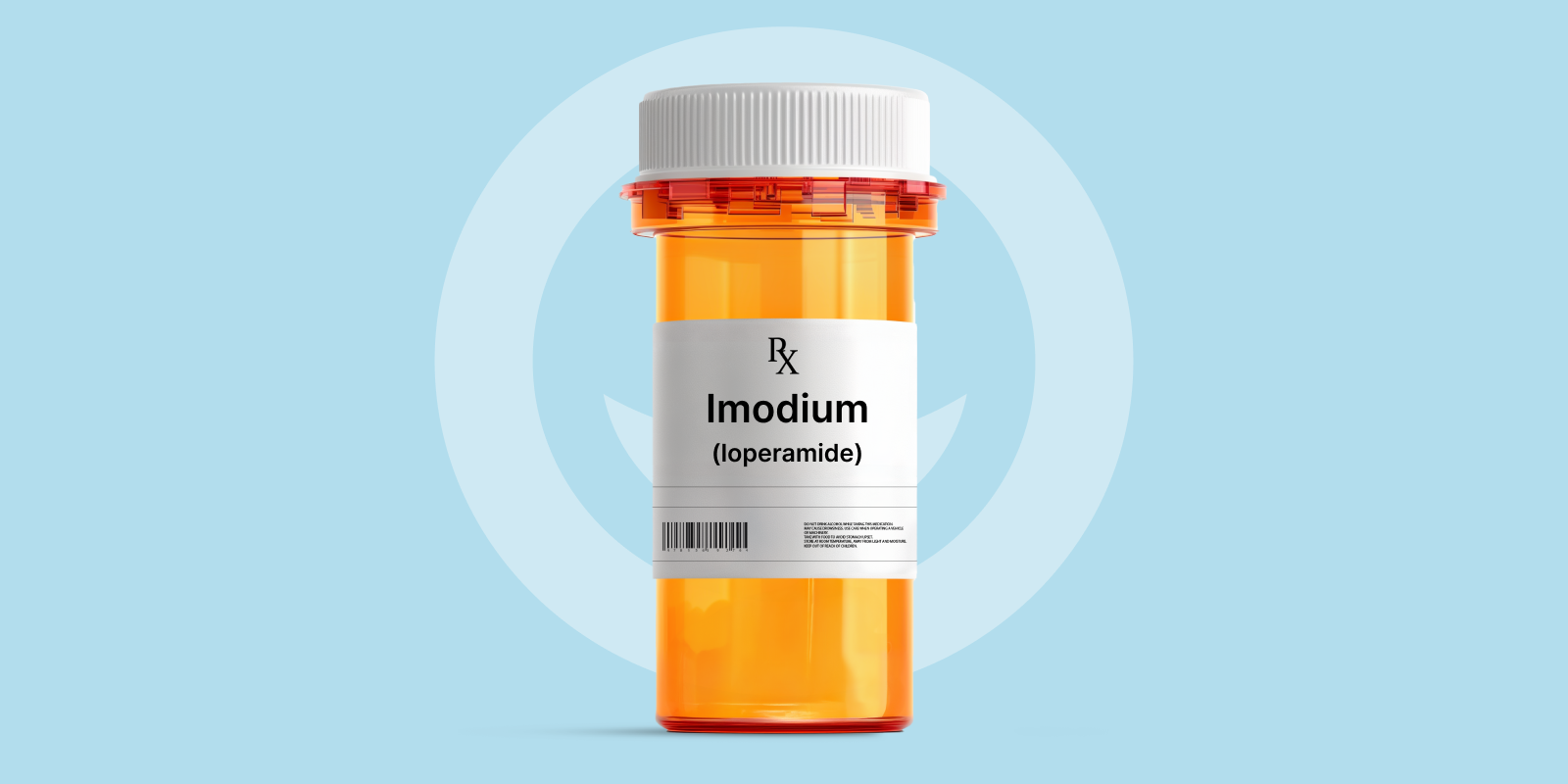
Many people also ask whether can you take imodium and pepto-bismol together. While both are used to manage diarrhea, they work differently, and combining them should only be done with medical guidance.
If your diarrhea is accompanied by symptoms such as bloody stools or fever, speak with a doctor before using these OTC medications. In some cases, a provider may recommend alternative treatments, including codeine phosphate, depending on the cause.
Learn more about diarrhea medications and how they work.
2. Try the BRAT diet
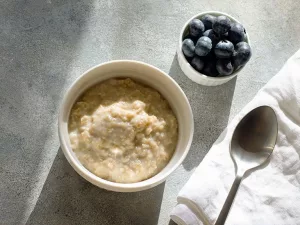
The BRAT diet may help relieve diarrhea symptoms. BRAT stands for:
- bananas
- rice
- applesauce
- toast
This eating plan focuses on bland, low-fiber, starchy foods that are generally gentle on the digestive system.
Other mild food options include:
- saltine crackers
- clear broth
- rice water
- potatoes
These foods may help firm up stools by providing a binding effect in the gastrointestinal tract, and they are less likely to irritate the intestines during recovery.
However, the BRAT diet should not be continued for more than 2 days, as it does not offer balanced nutrition. If symptoms persist beyond this timeframe, seek medical advice.
3. Limit certain foods
Some foods and beverages can worsen diarrhea by softening stools or stimulating bowel movements. Common triggers include:
- eggs, gluten, and dairy products
- processed, fatty, and spicy foods
- proteins, such as steak, pork, and salmon
- certain vegetables, such as broccoli, cauliflower, and carrots
- acidic fruits, such as berries, lemons, and oranges
- very hot or cold drinks
- alcohol, coffee, and tea
Reducing or temporarily eliminating these items may help calm digestive irritation and support recovery.
4. Take probiotics
Probiotics are live microorganisms (beneficial bacteria) that reside in your digestive tract. An imbalance in gut bacteria can contribute to diarrhea.
Using probiotic supplements or consuming probiotic-rich foods may help restore healthy gut flora. This may improve bowel regularity and shorten the duration of diarrhea in some individuals.
That said, more high-quality research is needed to clearly define the role of probiotics in diarrhea treatment. Always consult a doctor before starting probiotic supplements, particularly if you have an underlying health condition.
5. Consider antibiotics
Diarrhea may be caused by bacteria or parasites found in contaminated food or water. This form is commonly referred to as traveler’s diarrhea, as it frequently affects people during travel.
Antibiotics treat bacterial infections such as Salmonella and E. coli. However, they are not effective against viral infections.
If you are uncertain about the cause of your symptoms, consult a healthcare provider to determine whether antibiotics or other treatments are appropriate.
Causes
Diarrhea can be classified as acute or chronic, depending on how long it lasts.
Acute diarrhea typically lasts up to 14 days and often resolves without extensive treatment. Common causes include:
- viral infections, such as rotavirus and viral gastroenteritis
- bacterial infections, such as Salmonella and E. coli
- parasitic infections
Chronic diarrhea persists for more than 1 month and may signal a more serious health condition. Possible causes include:
- food intolerances, such as lactose, sugar, and gluten
- digestive tract problems, such as Crohn’s disease, celiac disease, and irritable bowel syndrome (IBS)
- abdominal surgery, such as on the gallbladder and appendix
- medications, such as antibiotics, pain relievers, and cancer-fighting drugs
Prevention
Practicing good hygiene can significantly reduce your risk of developing a stomach infection. Regular handwashing and thorough food preparation are essential preventive measures.
Viral and bacterial infections may spread through:
- drinking contaminated tap water
- cross-contamination
- mishandling meat, poultry, and seafood
- improper food storage
- not fully cooking food
- sharing personal items with sick people
- eating food from street vendors
The rotavirus vaccine may help prevent severe illness from bacteria in young children.
Keeping a symptom journal can also help you pinpoint personal triggers, such as specific foods, beverages, or medications. This approach is especially helpful during an elimination diet designed to identify sensitivities.
If you have an existing digestive disorder or chronic condition, consult a doctor to develop a tailored care plan that addresses your specific needs.
Frequently asked questions
What helps diarrhea go away?
In many situations, diarrhea resolves on its own. Depending on the cause, the following strategies may speed recovery:
- over-the-counter (OTC) medications
- avoiding certain foods
- staying hydrated
- taking antibiotics
- taking probiotics
What drink stops diarrhea?
No single beverage can immediately stop diarrhea. However, staying well hydrated is crucial to prevent dehydration. Suitable options include water, clear broth, sports drinks, and herbal tea.
What food stops diarrhea?
Starchy, bland, and low-fiber foods may temporarily help reduce diarrhea. These include:
- bananas
- rice or rice water
- applesauce
- toast
- potatoes
- saltine crackers
- clear broth
Such foods may help bulk up stools because they provide a binding effect within the digestive tract.
Should I take Imodium for diarrhea or let it run its course?
In most cases, using loperamide (Imodium) is acceptable to help relieve diarrhea symptoms. However, avoid taking it if:
- you just finished taking antibiotics
- you experience symptoms of inflammatory bowel disease
- your stomach is swollen
- you are constipated
- you have blood in your stools
Consult a healthcare professional for personalized guidance and an appropriate treatment strategy.
The bottom line
Diarrhea may resolve within 24 hours, or it can persist for weeks and interfere with everyday life.
If you develop additional symptoms such as bloody stools or chills, seek medical care promptly, as these may signal an underlying medical condition.
Supportive remedies—including OTC medications, temporary dietary adjustments, hydration, and avoiding digestive irritants—can help relieve symptoms of acute diarrhea more quickly and support overall gut recovery.













Leave a Reply
You must be logged in to post a comment.