Tadalafil (Oral Tablet): Side Effects, Dosage, and Review


- Key facts about tadalafil
- What is tadalafil?
- Why it’s prescribed
- How tadalafil is taken
- How tadalafil works
- Side effects of tadalafil
- Common side effects
- Serious side effects
- Important warnings
- Medication interactions
- Angina drugs (nitrates)
- Alpha-blockers (for high blood pressure or prostate)
- Certain HIV medications
- Oral antifungal medications
- Antibiotics
- Other ED medications
- Other PAH drugs
- Antacids
- Anti-epileptic drugs
- Warnings
- Allergy warning
- Grapefruit warning
- Alcohol warning
- Warnings for specific health conditions
- Warnings for special populations
- Dosage information
- Formulations and strengths
- Dosage for BPH
- Dosage for ED
- Dosage for ED/BPH combined
- Dosage for PAH
- Special dosing considerations
- Use as directed
- Cost and savings
- Practical considerations
- General
- Storage
- Travel
- Clinical monitoring
- Prior authorization
- Frequently asked questions
- Alternatives
- Tadalafil vs. sildenafil
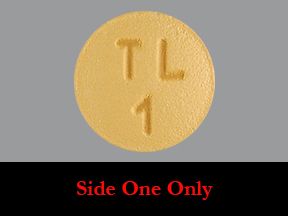
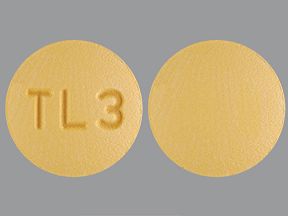
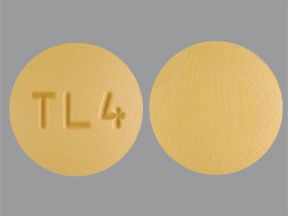
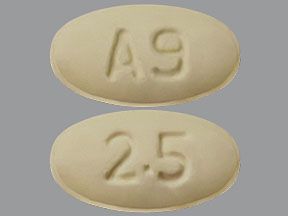
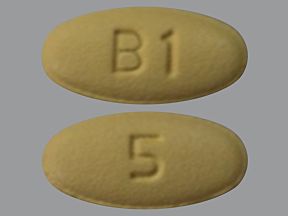
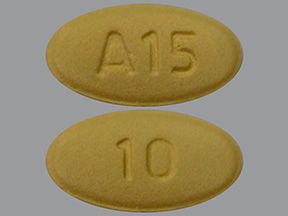
- Tadalafil, oral tablet images
Tadalafil is a prescription medication commonly used to treat erectile dysfunction, benign prostatic hyperplasia, and pulmonary arterial hypertension. It is supplied as an oral tablet taken either daily or when needed.
Key facts about tadalafil
- Tadalafil is available as a generic medication and under brand names. Brand names: Cialis, Adcirca.
- Tadalafil is supplied only as an oral tablet.
- Tadalafil treats symptoms of benign prostatic hyperplasia (BPH) and erectile dysfunction (ED). It’s also used for pulmonary arterial hypertension (PAH).
What is tadalafil?
Tadalafil is a prescription medicine provided as a tablet you swallow.
It’s sold as the brand-name products Cialis and Adcirca and is also available as a generic. Generic versions typically cost less than brand-name options, though some strengths or formulations of the generic may differ from the brand-name product.
Why it’s prescribed
Tadalafil (Cialis) is prescribed for benign prostatic hyperplasia (BPH), erectile dysfunction (ED), or both. Tadalafil (Adcirca) is prescribed for pulmonary arterial hypertension (PAH).
In BPH, the prostate gland is enlarged but not cancerous. This enlargement can compress the urethra (the tube that carries urine out of the body), causing difficulty urinating, painful urination, or frequent/urgent urination.
In ED, the penis does not receive enough blood to become firm and enlarge during sexual arousal, or it may be difficult to maintain an erection.
PAH is an uncommon but serious type of high blood pressure that affects the pulmonary arteries in the lungs.
How tadalafil is taken
How long before sex should you take tadalafil? Tadalafil can be prescribed as a daily medication or taken as needed. Follow your physician’s instructions. When used as needed, take it at least 30 minutes before sexual activity. When taken daily, try to take it at a consistent time each day. The medication typically begins to take effect about 30 minutes after a dose.
How often should you take tadalafil? Do not take tadalafil more than once in a 24-hour period. If you miss a dose, take it when you remember, but do not double up. If it’s nearly time for your next scheduled dose, skip the missed one.
Should tadalafil be taken with food? Tadalafil may be taken with or without food; food does not significantly affect its absorption.
How tadalafil works
Tadalafil belongs to a class of drugs called phosphodiesterase type 5 (PDE5) inhibitors . Drugs in this class act similarly and are often used for related conditions.
Tadalafil can relax smooth muscle in the prostate and bladder, which may help ease BPH symptoms.
For ED, tadalafil enhances blood flow to the penis, helping to achieve and maintain an erection. Sexual stimulation is required for the medication to be effective.
In PAH, tadalafil relaxes blood vessels in the lungs, improving blood flow and potentially increasing exercise capacity.
Side effects of tadalafil
Tadalafil does not commonly cause drowsiness but can produce other adverse effects.
Common side effects
Some of the more common side effects include:
- headache
- upset stomach
- back pain
- muscle aches
- flushing
- stuffy or runny nose
- diarrhea
Mild side effects may resolve in a few days to a couple of weeks. If symptoms are severe or persistent, contact your doctor or pharmacist.
Serious side effects
Seek medical attention immediately for serious side effects. Call 911 if you believe you are experiencing a life-threatening emergency. Serious reactions and their signs may include:
- Priapism: a painful erection that does not subside
- Vision changes: seeing a blue tint, difficulty distinguishing blue from green, or sudden loss or decrease in vision in one or both eyes
- Hearing loss: sudden decrease or loss of hearing, ringing in the ears, dizziness
- Low blood pressure: lightheadedness, fainting, chest pain (angina)
Important warnings
- Heart disease warning. Your provider will not prescribe tadalafil if you have a heart condition and were advised against sexual activity. Stop and seek care if you experience chest pain, dizziness, or nausea during sex, as sexual activity may strain an already weakened heart.
- Priapism warning. An erection lasting more than 4 hours (priapism) can cause permanent damage, including erectile dysfunction. Contact your doctor immediately if this occurs.
Medication interactions
Tadalafil can interact with other drugs, supplements, or herbal products, changing how it works or increasing the risk of adverse effects. Always inform your provider about everything you take. Examples of interactions include the following groups.
Angina drugs (nitrates)
Combining tadalafil with nitrates can cause a dangerous drop in blood pressure, leading to dizziness or fainting. Examples include:
- nitroglycerin
- isosorbide dinitrate
- isosorbide mononitrate
- amyl nitrite
- butyl nitrite
Alpha-blockers (for high blood pressure or prostate)
Taking tadalafil with some alpha-blockers may cause a significant fall in blood pressure, causing dizziness or fainting. Examples include:
- terazosin
- tamsulosin
- doxazosin
- prazosin
- alfuzosin
Certain HIV medications
Certain protease inhibitors (such as ritonavir and lopinavir/ritonavir) can increase tadalafil levels in the bloodstream, raising the risk of low blood pressure, dizziness, priapism, and vision problems.
Oral antifungal medications
Some antifungal drugs (for example, ketoconazole and itraconazole) may raise tadalafil concentrations, increasing the risk of adverse effects.
Antibiotics
Certain antibiotics (like clarithromycin and erythromycin) can increase tadalafil levels, while others (such as rifampin) may lower tadalafil levels and reduce its effectiveness.
Other ED medications
Combining tadalafil with other PDE5 inhibitors (for example, sildenafil or vardenafil) raises the chance of side effects and is not recommended.
Other PAH drugs
Using tadalafil with other PAH medications such as riociguat (Adempas) may lead to dangerous drops in blood pressure.
Antacids
Certain stomach acid products (for example, magnesium hydroxide/aluminum hydroxide) can reduce tadalafil absorption.
Anti-epileptic drugs
Some seizure medications (for instance, carbamazepine, phenytoin, phenobarbital) may lower tadalafil levels and reduce its efficacy.
Warnings
Tadalafil carries several safety warnings.
Allergy warning
Tadalafil can cause severe allergic reactions. Signs may include:
- rash
- hives
- difficulty breathing or swallowing
- swelling of lips, throat, or tongue
For mild allergic symptoms (like a small rash), contact your provider to discuss treatment and whether to continue tadalafil. If you have severe allergic signs (such as swelling or breathing difficulty), call 911 or emergency services immediately. If a serious allergic reaction to tadalafil is confirmed, your clinician may recommend an alternative therapy.
Grapefruit warning
Grapefruit or grapefruit juice can raise tadalafil blood levels and increase the risk of side effects.
Alcohol warning
Avoid heavy alcohol consumption while taking tadalafil. Both alcohol and tadalafil can dilate blood vessels; together they may cause a dangerous drop in blood pressure.
Warnings for specific health conditions
Heart disease: Sexual activity may pose cardiovascular risk. Tadalafil will not be prescribed if your clinician has advised against sexual activity due to heart disease.
Risk for priapism: Tadalafil can provoke prolonged, painful erections. Discuss use with your clinician if you have conditions that raise priapism risk, such as sickle cell anemia, multiple myeloma, leukemia, or Peyronie’s disease.
Vision concerns: Tadalafil has not been studied in people with retinitis pigmentosa , and your clinician may avoid prescribing it if you have a history of this condition. Also inform your provider if you’ve had severe vision loss, including NAION , as tadalafil may raise the risk of recurrence.
Kidney disease or dialysis: Impaired kidney function may slow removal of tadalafil from your body, increasing side effect risk. Your provider may lower the dose, reduce dosing frequency, or avoid prescribing it depending on severity.
Liver disease: Liver impairment can reduce tadalafil metabolism, increasing drug levels and side effect risk. Dose adjustments or avoidance may be necessary.
Bleeding disorders or peptic ulcers: Tadalafil hasn’t been extensively studied in these groups and could worsen bleeding or ulcers; additional monitoring may be required.
Warnings for special populations
Pregnancy: Tadalafil is prescribed for males and is unlikely to be used during pregnancy. Animal studies have not shown fetal harm, but human data are limited. Discuss pregnancy plans with your clinician.
Note: This article uses the term “male” to refer to sex assigned at birth. For more on sex versus gender, see relevant resources.
Breastfeeding: It’s unknown whether tadalafil passes into breast milk. If it does, it could affect a breastfeeding infant. Because it’s typically prescribed for males, breastfeeding exposure is unlikely, but discuss with your clinician if relevant.
Older adults: People 65 and older may metabolize tadalafil more slowly; clinicians often start at a lower dose to prevent accumulation and adverse effects.
Children: Tadalafil is not approved for use in children under 18 years; safety and efficacy are not established.
Dosage information
Your clinician will recommend the appropriate dose. Dosage, formulation, and frequency depend on:
- age
- the condition being treated
- severity of the condition
- other medical conditions
- how you respond to the initial dose
Formulations and strengths
Generic: Tadalafil
- Form: oral tablet
- Strengths: 2.5 mg, 5 mg, 10 mg, and 20 mg
Brand: Cialis
- Form: oral tablet
- Strengths: 2.5 mg, 5 mg, 10 mg, and 20 mg
Brand: Adcirca
- Form: oral tablet
- Strengths: 20 mg
Dosage for BPH
- Typical dose for BPH: 5 mg once daily.
- Timing: Take at roughly the same time each day. Do not exceed one dose per day.
- When combined with finasteride: If used together with finasteride (Propecia, Proscar), tadalafil is typically 5 mg daily for up to 26 weeks.
Dosage for ED
Tadalafil for ED may be taken as needed or once daily. Do not take it more than once per day.
As-needed use:
- Typical starting dose: 10 mg.
- Dose adjustments: Your clinician may increase to 20 mg or reduce to 5 mg depending on response and tolerability.
- When to take: Take one tablet before anticipated sexual activity. Effects begin about 30 minutes after dosing and may last up to 36 hours.
Once-daily use:
- Typical starting dose: 2.5 mg daily.
- Adjustments: Clinician may raise to 5 mg daily based on effectiveness and tolerability.
- When to take: Take one tablet each day at about the same time. Effects begin about 30 minutes after dosing and can last up to 36 hours.
Dosage for ED/BPH combined
- Typical dose for ED/BPH: 5 mg once daily.
- When to take: Take at a consistent time each day. Do not take more than once per day. Effects typically begin about 30 minutes after dosing and may persist up to 36 hours. Sexual stimulation is necessary for an erection.
Dosage for PAH
- Typical starting dose for PAH: 40 mg once daily (usually given as two 20-mg tablets).
- When to take: Take at roughly the same time each day, all at once (do not split the dose).
Special dosing considerations
- Older adults (65+): Since tadalafil may be cleared more slowly, clinicians often start at a lower dose to avoid accumulation and adverse effects.
- Kidney or liver impairment: Tadalafil is metabolized by the liver and partly eliminated by the kidneys. If these organs are impaired, the drug may remain in the body longer and raise side effect risk. Dose adjustments, less frequent dosing, or avoiding the drug may be recommended based on severity and dialysis status.
Use as directed
Tadalafil is intended for ongoing treatment and carries risks if not used as prescribed.
If you stop or don’t take tadalafil regularly: For BPH, symptoms like difficulty starting urination, straining, weak stream, or frequent urges may persist. For ED, you may not achieve or maintain erections during sexual activity. For PAH, symptoms such as shortness of breath with exertion may not improve.
If you take too much: Overdose increases the chance of side effects. If you suspect an overdose, call your clinician or contact America’s Poison Centers at 800-222-1222 or use their online resource. If symptoms are severe, call 911 or go to the nearest emergency room.
Missed dose guidance: Take a missed dose when you remember, but do not take more than one dose within 24 hours. Do not double doses to make up for a missed one.
How to know if it’s working: Symptoms of BPH, ED, or PAH should improve with effective therapy.
Cost and savings
Cost may influence your choice of tadalafil, regardless of insurance status. Prices vary by treatment plan and pharmacy.
Consider these options for savings:
- Coupons and price checks: Visit Optum Perks for price estimates and coupon options for tadalafil. Note Optum Perks coupons cannot be combined with insurance copays or benefits.
- Assistance programs: Websites and services offer information on drug assistance, maximizing insurance coverage, and discount cards. Examples include Medicine Assistance Tool and NeedyMeds.
Refer to detailed cost resources for more information. Optum Perks is owned by RVO Health; we may receive a commission if you click that link.
Practical considerations
General
- If prescribed once-daily tadalafil, take it at the same time each day.
- Do not cut tadalafil tablets; take the whole tablet as directed.
Storage
- Store at room temperature between 59°F and 86°F (15°C and 30°C).
- Keep away from high heat.
- Do not store in damp areas such as bathrooms.
Travel
When traveling with tadalafil:
- Carry medication with you; keep it in your carry-on when flying rather than checked luggage.
- Airport X-ray machines will not harm the medicine.
- Bring the original prescription-labeled container in case airport staff request to see it.
- Avoid leaving medication in a car’s glove compartment or other locations exposed to extreme heat or cold.
Clinical monitoring
Before starting tadalafil, your clinician may order blood tests to evaluate liver and kidney function. Abnormal results or existing liver/kidney disease may prompt dose adjustments, less frequent dosing, or avoidance of tadalafil.
When treating BPH, clinicians may perform a prostate exam and PSA blood test to rule out prostate cancer, since symptoms can overlap.
Prior authorization
Many insurers require prior authorization for tadalafil, meaning your clinician must obtain approval before the plan will cover the prescription.
Frequently asked questions
How long does tadalafil last? Tadalafil’s effects can persist for up to 36 hours. Do not take it more frequently than prescribed—no more than one tablet within 24 hours when used as needed for ED. Sexual stimulation is required for the drug to help produce an erection.
Does tadalafil lower blood pressure? Because tadalafil relaxes blood vessels and improves blood flow, it can reduce blood pressure.
Is tadalafil stronger than Viagra? Both treat ED; a key difference is duration. Tadalafil can last up to 36 hours, while sildenafil (Viagra) typically lasts about 2–5 hours.
Alternatives
Other medications are available and may be more suitable depending on your situation. Discuss alternative options with your clinician.
Tadalafil vs. sildenafil
Tadalafil and sildenafil (Viagra, Revatio) are similar in conditions treated—both can address ED and PAH—though tadalafil additionally treats BPH. Tadalafil has a longer duration of action than sildenafil, which may be advantageous for some but can also prolong side effects.
Find Roman ED medication online.
Disclaimer: Every effort has been made to ensure the accuracy and currency of the information provided here. This article is not a substitute for professional medical advice. Consult your healthcare provider before starting any medication. Drug information can change and may not cover all uses, instructions, warnings, interactions, allergic reactions, or adverse effects. Absence of information does not imply safety or suitability for every patient.
Tadalafil, oral tablet images




Frequently Asked Questions
Tadalafil oral tablet is prescribed to treat erectile dysfunction (ED), benign prostatic hyperplasia (BPH), and pulmonary arterial hypertension (PAH). It relaxes blood vessels and smooth muscle to improve blood flow and urinary symptoms.
Tadalafil can be taken as needed before sexual activity (typically at least 30 minutes prior) or once daily at a low dose. Follow your prescriber’s instructions and do not take more than one dose in 24 hours.
Common side effects include headache, upset stomach, back pain, muscle aches, flushing, nasal congestion, and diarrhea. Most are mild and often resolve within a few days to weeks.
Yes. Tadalafil can interact with nitrates, some alpha-blockers, certain HIV protease inhibitors, antifungals, antibiotics, and other ED or PAH drugs, which can cause dangerous drops in blood pressure or increased side effects.
Seek immediate medical attention for a painful erection lasting more than 4 hours (priapism), sudden vision or hearing loss, chest pain, severe dizziness, or signs of a severe allergic reaction.
Read Next






Related Posts

Does Masturbating Before Sex Affect Your Performance?
Aug 30, 2026 • 27 min read
Cómo lograr un orgasmo anal: 35 consejos para ti y tu pareja
Aug 21, 2026 • 27 min read
Everything You Should Know Before Getting a Fourchette Piercing
Sep 21, 2026 • 3 min read
A Beginner’s Guide to Pegging
Sep 12, 2026 • 25 min read
12 Must-Try Threesome Positions for First-Timers and Beyond
Sep 29, 2026 • 6 min read