7 Stretches for Shin Splints

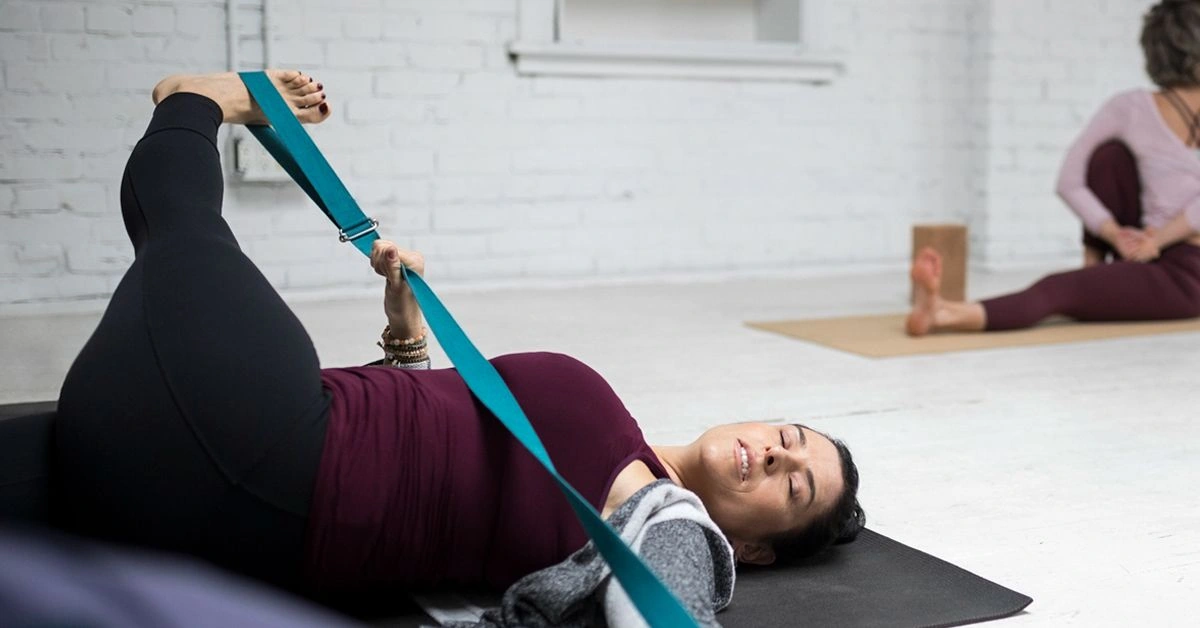
- Before you begin
- 1. Gastrocnemius calf stretch
- 2. Soleus calf stretch
- 3. Achilles tendon standing stretch
- 4. Achilles tendon seated stretch
- 5. Tibialis anterior muscle stretch
- 6. Strengthening the anterior tibialis
- 7. Strengthening the gastro-soleus muscles
- Tips to prevent shin splints
- When to consult a healthcare professional
- Frequently asked questions
- Can stretching eliminate shin splints?
- Can massage relieve shin splints?
- Do compression socks help with shin splints?
- The bottom line
Stretching routines that focus on your calves, tibialis muscles, and Achilles tendons can help reduce discomfort from shin splints. Additional strategies like rest, ice, foam rolling, and gentler exercise options also support recovery.
Shin splints refer to pain in the lower leg along the inner or front portion of the shin bone (tibia). The clinical term for this condition is medial tibial stress syndrome (MTSS).
MTSS is frequently seen in people who are active in sports. It usually stems from repetitive stress (overuse) of the tibialis muscles. Other factors that can lead to shin splints include:
- imbalances or weakness in lower limb muscles
- wearing poorly fitting footwear
- overweight or obesity
There aren’t strict rules for treating shin splints, and evidence about the benefits of stretching is inconclusive . Some studies indicate stretching may ease pain, while other work finds little to no advantage.
Because of this, pay attention to how your body responds and introduce stretches gradually. Stop any stretch that causes pain and rest—pushing through pain can aggravate the condition.
Below are seven stretches to help manage shin splints.
Before you begin
Shin splints mainly involve the anterior (front) tibialis muscles. When these muscles are affected, neighboring muscles often compensate, increasing their workload.
Therefore, it’s helpful to stretch muscles on both the front and back of the lower leg.
Hold each stretch for 30 to 60 seconds, then switch sides. Repeat each stretch 2 to 3 times per side, progressing to up to three sessions daily.
For strengthening moves, aim for 2 to 3 sets of 8 to 12 reps, once a day.
1. Gastrocnemius calf stretch
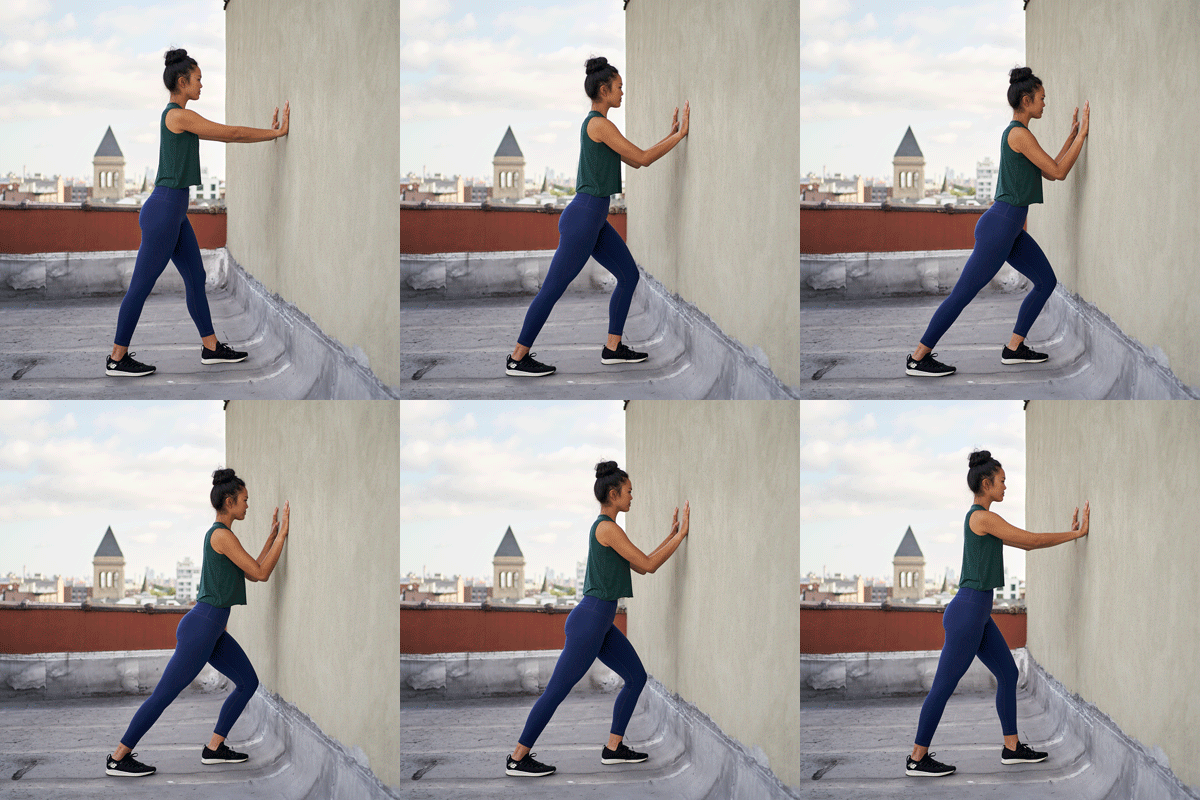
The gastrocnemius is one of the two major calf muscles, spanning from the knee down to the heel.
Certain experts suggest various calf stretch variations to help address shin splints, since tight calves can contribute to developing shin pain and increase its severity.
- Stand facing a wall or the back of a chair, using it for balance.
- Place one foot behind the other. Keep both feet flat and pointing forward.
- With the back heel on the floor and the rear leg straight, bend the front knee until you feel a pull in the calf of the back leg.
- Maintain an upright posture throughout the stretch.
2. Soleus calf stretch
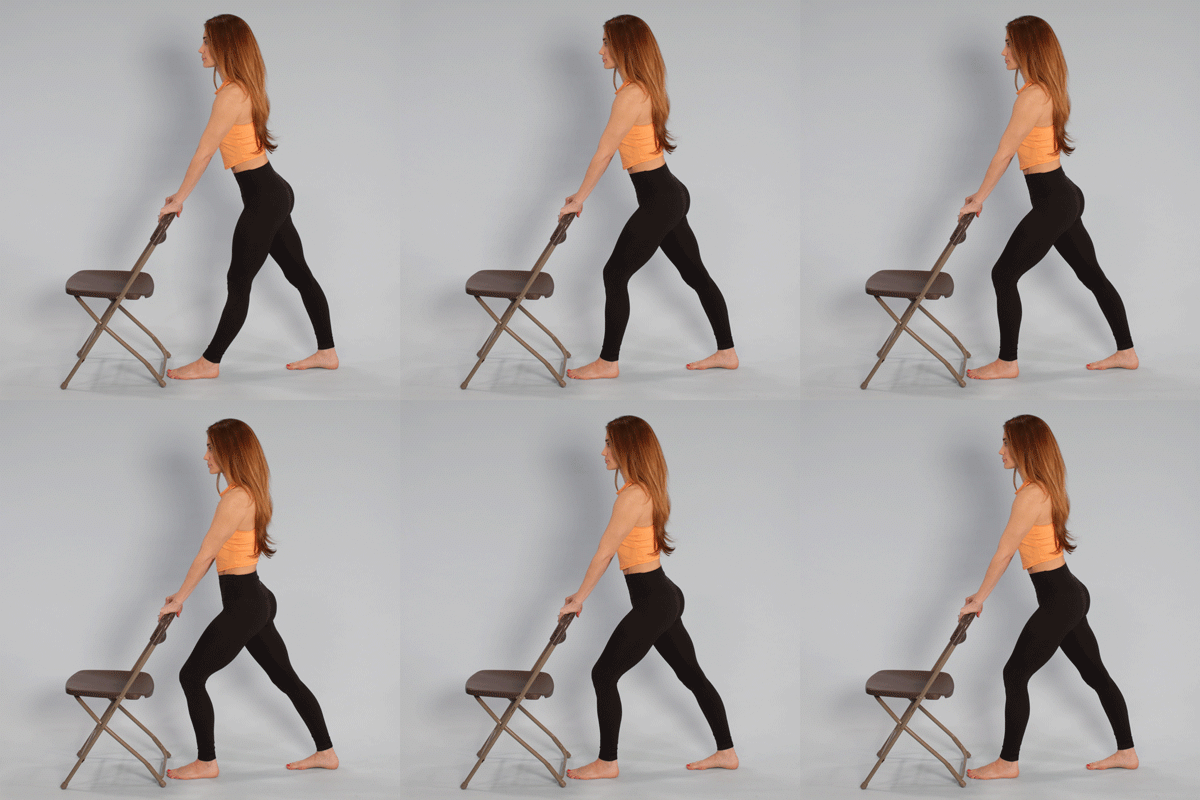
The soleus is the other principal calf muscle, important for walking and balance while standing. Some research indicates elevated soleus activity during running may be linked to shin splints.
- Stand with your hands on a wall or the back of a chair for support.
- Place one foot behind the other. Keep both feet flat and facing forward.
- Bend the front knee slightly. With the back heel down, bend the back knee. If keeping the heel down is difficult, shorten your stride.
3. Achilles tendon standing stretch
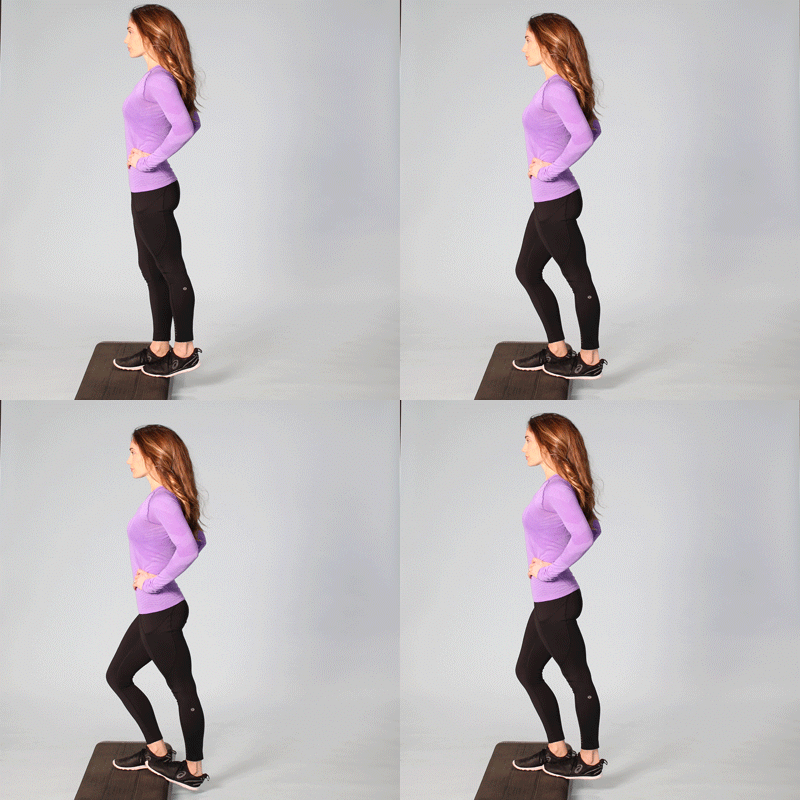
The Achilles tendon is a thick, resilient tendon that links the calf muscles to the heel. Achilles issues are another frequent overuse injury.
You can perform this standing Achilles stretch on a stair, curb, step stool, or even a thick book. Hold a railing or chair with one hand if you need stability.
- Stand with the balls of your feet on the edge of the step or platform you’re using.
- Slowly lower one heel off the edge until you sense a stretch along the back of your leg and the Achilles area.
4. Achilles tendon seated stretch
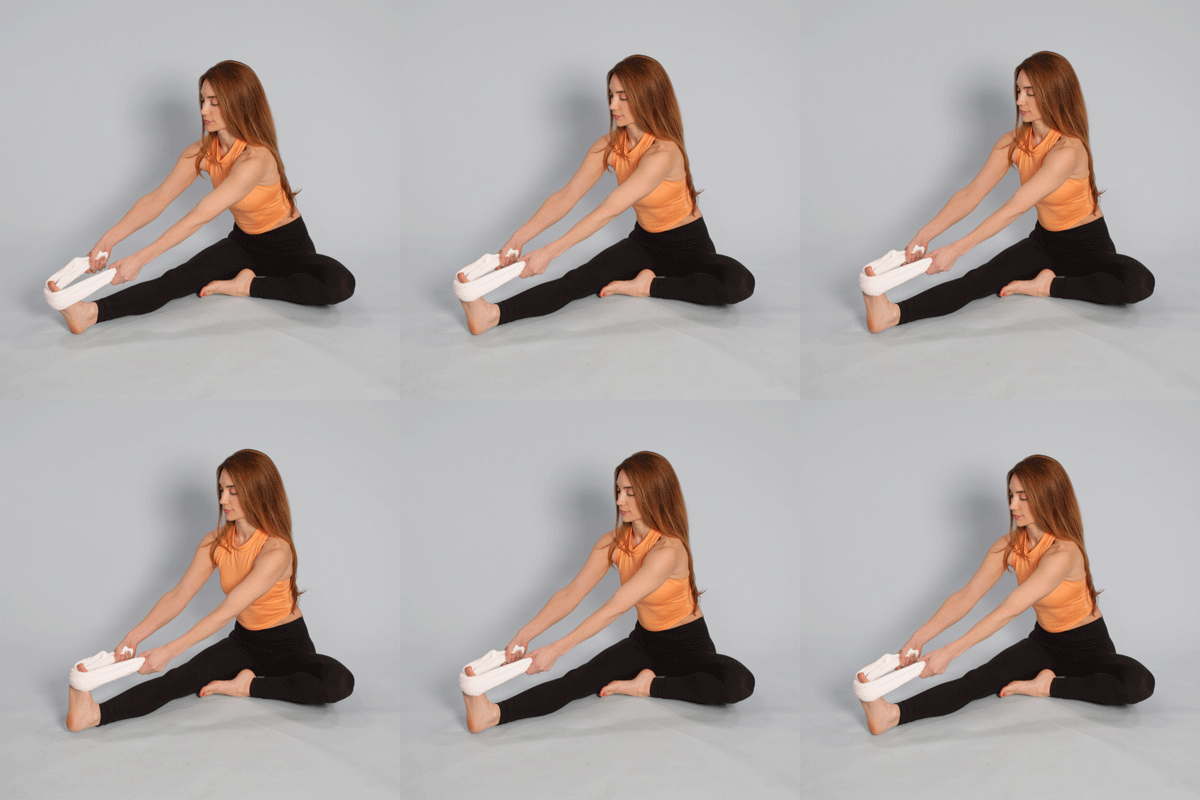
This seated stretch requires a resistance band, towel, or belt long enough to wrap around your foot while the leg is extended.
- Sit on the floor, bend one knee, and extend the other leg in front of you with the heel on the ground.
- Loop a band, towel, or belt around the ball of the extended foot.
- Gently pull your toes toward you and hold for 15 to 30 seconds.
You can also do this seated in a chair: extend one leg with the heel on the floor, loop the band or towel around the foot, and slowly draw the toes toward you.
5. Tibialis anterior muscle stretch
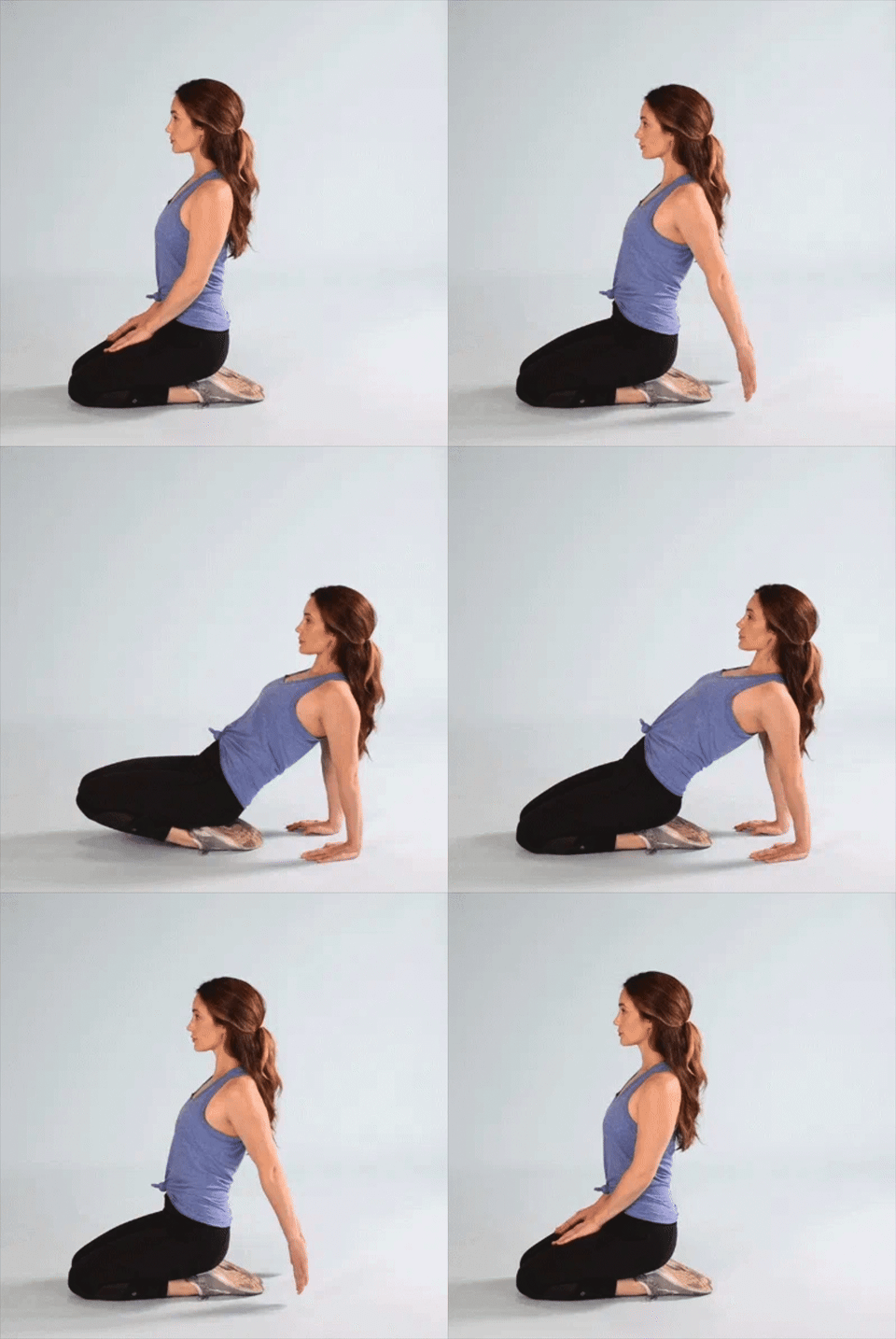
This move stretches the anterior tibialis muscles at the front of the shin—the area most commonly involved in shin splints.
- Sit back on your heels with your toes pointed slightly inward and your hands on the floor in front of you.
- To intensify the stretch, lean forward and lift yourself slightly so you’re resting on your toes.
6. Strengthening the anterior tibialis
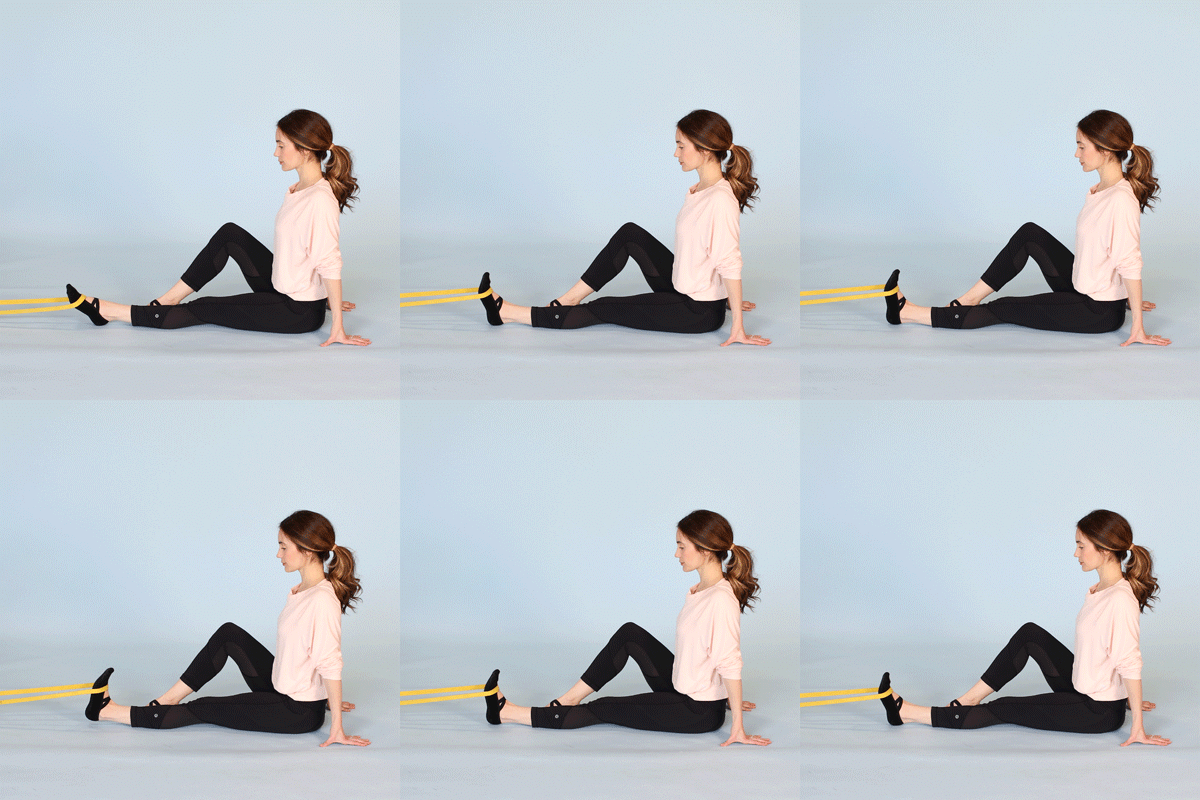
Building strength in the anterior tibialis may be valuable for preventing and recovering from shin splints.
For this exercise, have a resistance band long enough to loop around your foot while seated with the leg extended.
- Sit on the floor or on a bench.
- Anchor an exercise band to something stable and loop the other end around the top of your foot.
- With your toes pointing upward, dorsiflex your ankle toward you over a 2-count, then lower it back down over a 4-count.
7. Strengthening the gastro-soleus muscles
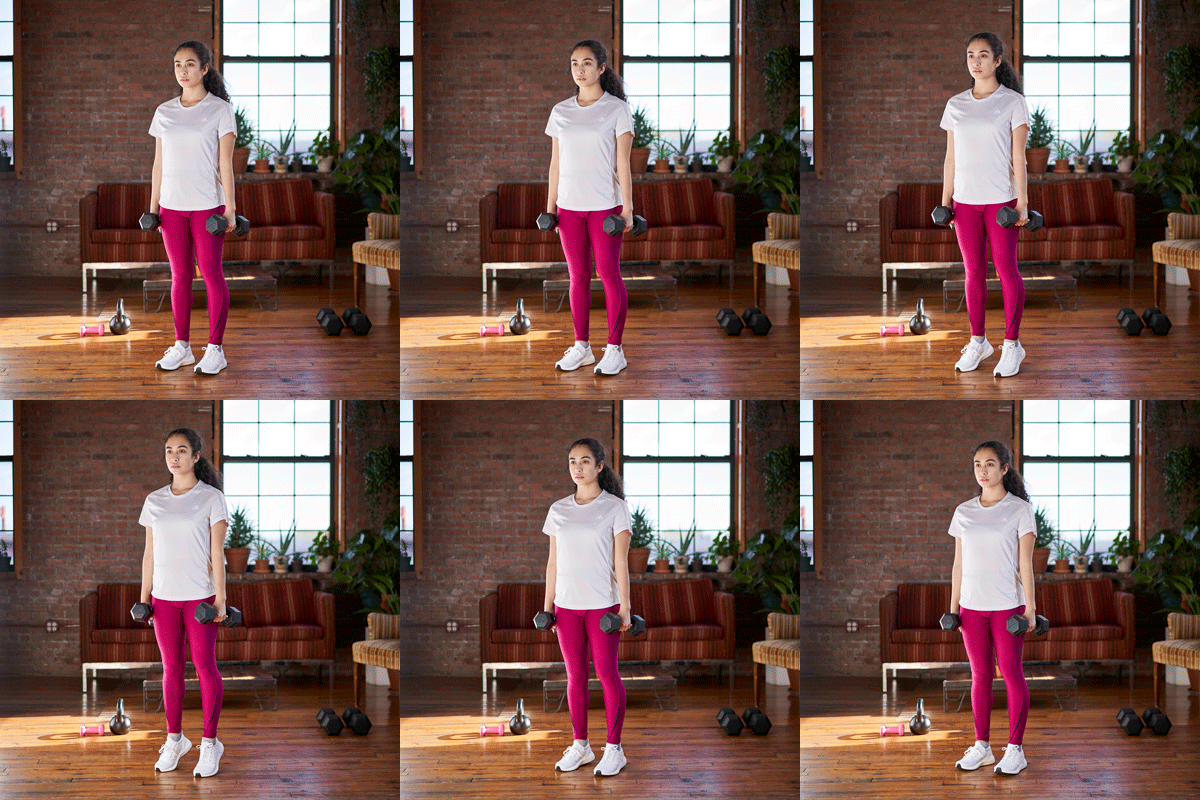
Calf raises are a widely used exercise to strengthen the calf complex.
If you’re new to this, stand on a flat surface and use a support for balance, relying solely on your body weight.
To increase the challenge, hold dumbbells, perform the exercise on one leg, or stand on the edge of a step or curb.
- Stand with feet about hip-width apart.
- Rise onto your toes over a 2-count, then lower your heels over a 4-count.
- Ensure you’re balanced on the balls of your feet; use a chair or wall for support if necessary.
Tips to prevent shin splints
Along with stretching, other measures can reduce your risk of developing shin splints:
- Rest: Reducing repetitive load and impact on your legs is vital. If your shins are painful, rest and apply ice to ease inflammation and discomfort.
- Proper footwear: Wear shoes that fit well and provide cushioning and stability to lower impact forces. Consult a clinician about orthotics or heel cups if needed.
- Modify activities: If high-impact sports like running or jumping trigger shin pain, switch to lower-impact activities such as yoga, swimming, cycling, strength training, or walking on softer terrains like trails.
- Pain medicines: Over-the-counter options such as ibuprofen or acetaminophen can help manage shin splint pain temporarily.
When to consult a healthcare professional
Most cases of shin splints improve with rest and gentle activity over a few weeks.
But if your symptoms persist or get worse, seek medical evaluation. A clinician can examine you and recommend an appropriate treatment plan.
Frequently asked questions
Can stretching eliminate shin splints?
Stretching may help some individuals but not others; the scientific evidence is mixed regarding its overall effectiveness for shin splints.
Can massage relieve shin splints?
Massage and foam rolling of the shins and calf muscles might ease shin splint discomfort, though research shows variable results.
Do compression socks help with shin splints?
Yes—some studies suggest compression garments can reduce pain during activity when used along with other treatments.
The bottom line
Shin splint pain can be severe and disrupt your activities, but there are steps you can take to prevent and manage it.
Targeted stretches for the calves, tibialis muscles, and Achilles tendon may reduce pain and lower the chance of recurrence. Complementary approaches—rest, icing, foam rolling, and lower-impact exercise—can support healing.
If pain continues or worsens, consult a healthcare provider to rule out other causes and get tailored care.
Frequently Asked Questions
Stretching can reduce discomfort for some people but evidence is mixed; combine stretches with rest, load modification, and strengthening for better results.
Hold each stretch 30–60 seconds and repeat 2–3 times per side. You can perform up to three sessions daily, progressing gradually as tolerated.
The seated shin stretch (sitting back on your heels with toes slightly inward) specifically stretches the anterior tibialis at the front of the shin.
If pain worsens, persists despite rest and home care, or you have severe swelling or weakness, consult a healthcare professional for evaluation.
Yes. Strengthening the anterior tibialis and gastro-soleus complex can reduce recurrence risk; aim for 2–3 sets of 8–12 reps once daily as recommended.
Read Next

The 8 Best Cooling Pillow Cases
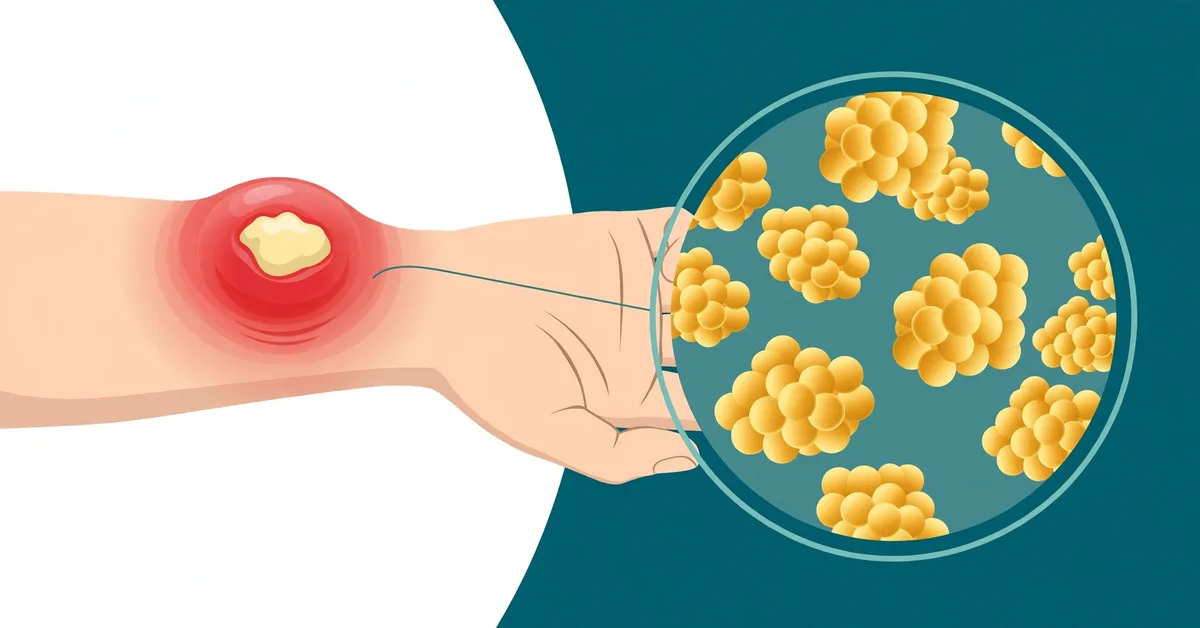
MRSA Pictures: What MRSA Looks Like and When It Becomes Dangerous

7 Best Knee Pillows for Back and Side Sleepers in 2025
8 Alternatives to Leg Curls
Proteolytic Enzymes: How They Work, Benefits and Sources
Semaglutide and Phentermine: What to Know About These Weight Loss Drugs
Related Posts
8 Ankle Stretches to Try at Home
Sep 15, 2026 • 23 min read
8 Exercises to Ease Heel Spur Pain
Sep 27, 2026 • 25 min read
7 Ways to Remove Dead Skin from Your Feet
Sep 10, 2026 • 5 min read
Silver Cuisine Meal Delivery for Older Adults: A Complete Review
Aug 30, 2026 • 15 min read
Bubbles in Urine: Normal Causes vs. Signs of Protein in Urine
Nov 20, 2026 • 28 min read