8 Alternatives to Leg Curls

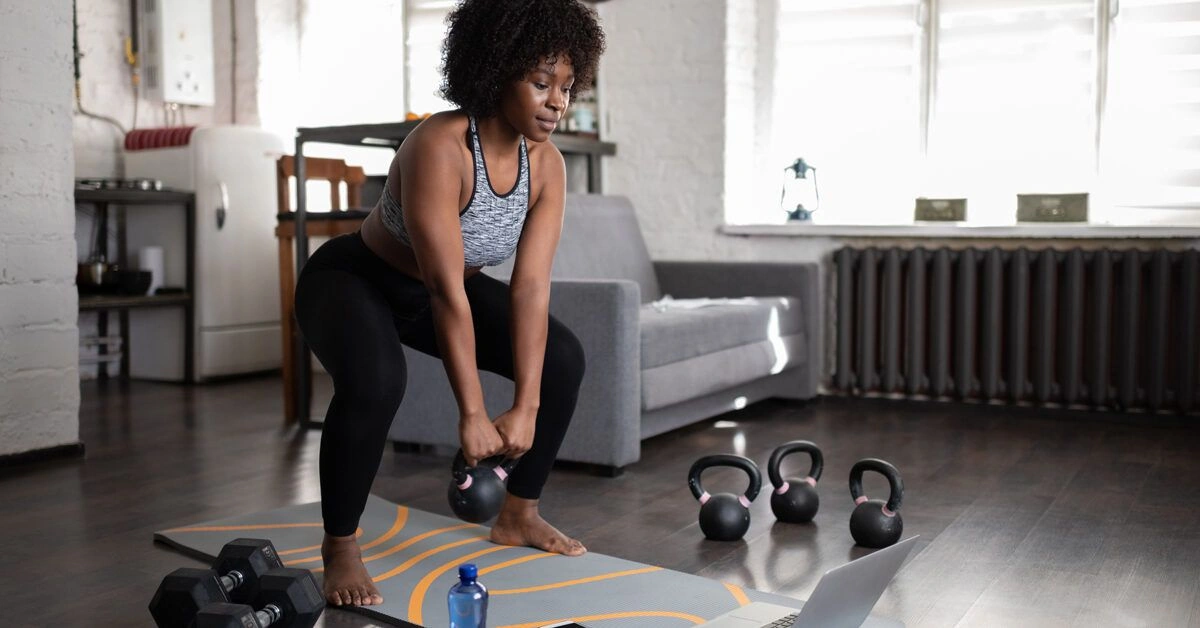
If your goal is to focus on the hamstrings, leg curls — often called hamstring curls — are a solid choice. Whether done on a dedicated machine at the gym or with a resistance band or dumbbell at home, this movement builds hamstring strength rep by rep.
That said, leg curls aren’t always feasible to include in every program. Maybe you lack access to the machine, or the typical prone or seated positions aggravate your body — and that’s fine.
There are several other movements that emphasize the hamstrings and serve as effective substitutes for leg curls. Below are eight selected options, some relying only on body weight and others needing basic equipment. Read on to assemble a routine that suits you.
Bodyweight alternatives to leg curls
Single-leg deadlift
The single-leg deadlift not only builds the posterior chain — including hamstrings and glutes — but also tests your balance and stability.
How to do it:
- Stand with your feet together. Shift your weight onto your right foot and, keeping your spine and neck neutral, hinge from the hips while maintaining a slight bend in the right knee.
- As you fold forward, lift your left leg up and back as high as you can, stopping when your body creates a straight line from head to heel. Keep your hips square to the floor throughout.
- Return slowly to the starting position and perform the desired reps. Switch sides and repeat.

Single-leg bridge
The single-leg variation of the glute bridge is a potent option for more experienced trainees, placing heavy emphasis on glutes and hamstrings.
Emphasize a full hip drive — lifting the hips up — to extract maximum benefit from the exercise.
How to do it:
- Lie on your back with knees bent, feet flat, and arms at your sides. Extend your right leg so it forms about a 45-degree angle from the floor.
- Inhale and, keeping the extended leg straight, press through your left heel, using your glute and hamstring to lift your pelvis as high as you can.
- Pause at the top, then lower back down with control. Complete the desired reps, then switch legs.

Nordic curl
The Nordic hamstring curl is typically performed with a partner holding your ankles or using equipment that stabilizes your feet. At home, you can improvise with a couch to make this move accessible.
How to do it:
- Face away from your couch and kneel on the floor, placing a pad under your knees for comfort.
- Slide your feet, tops down, under the couch so its weight acts as a counterbalance.
- Slowly let your torso fall forward, feeling your hamstrings engage to resist the descent.
- When your hamstrings can’t slow you further, descend into a controlled pushup motion.
- Push yourself back up to the start position.

Leg curl alternatives using equipment
Good morning
The good morning targets the hamstrings effectively. Start light until your pattern is solid, because poor technique will load your lower back heavily.
How to do it:
- Place a barbell across your shoulders and stand with feet about shoulder-width apart.
- Inhale and, with a slight bend in the knees, hinge at the hips, lowering your torso and sending your hips back. Keep your chest proud and gaze forward.
- Lower until your torso is roughly parallel with the floor, then return to standing.

Hip thrust
Performed from an elevated surface with added load, the hip thrust is like a glute bridge on steroids — it primarily targets the glutes but also heavily recruits the hamstrings.
How to do it:
- Sit with your upper back against a bench and place a dumbbell or plate on your hips.
- Position your feet flat and shoulder-width apart so your shins are about vertical; the bench should sit just below your shoulder blades. Your body from shoulders to knees should form a straight line at the top.
- Keeping your chin tucked and feet planted, lower your hips toward the floor while holding the weight steady.
- Drive through your heels to lift until your thighs are roughly parallel to the floor, squeeze the glutes at the top, then lower back down under control.

Stability ball hamstring curl
Use a stability ball to add a core-stability challenge to hamstring curls. This progression is better for more seasoned trainees since it demands full-body strength and control.
How to do it:
- Lie on your back with your feet resting on a stability ball and hands at your sides.
- Raise your hips so your body forms a straight line from shoulders to heels using your posterior chain.
- Inhale and draw the ball toward your glutes by flexing your knees and engaging your hamstrings.
- Exhale and roll the ball back out, keeping your core braced and hips from dropping.

Barbell deadlift
Often called the king of lifts, the barbell deadlift builds the entire posterior chain — glutes, hamstrings, upper back, traps, and core — in a very effective way.
How to do it:
- Stand with the barbell over your midfoot and feet about shoulder-width apart.
- Hinge down with a flat back, slightly bend the knees, and take a grip just outside the shins. Pull your shoulders down and back.
- Inhale, drive through your legs and hips to lift the bar to thigh level.
- Reverse the movement by hinging at the hips and bending the knees to return the bar to the floor.

Kettlebell swing
The kettlebell swing is a power-oriented, whole-body exercise that loads the hamstrings nicely — a great swap for leg curls when you want dynamic posterior chain work.
How to do it:
- Stand behind a kettlebell on the floor.
- Hinge at your hips with a slight knee bend to grab the handle with both hands, keeping chest high and spine neutral.
- With straight arms, rock the kettlebell back between your legs, then explosively drive your hips forward to swing the weight up to about chest level, led by your glutes and hamstrings. Follow the kettlebell with your eyes.
- Let the kettlebell descend back between your legs in one fluid motion, hinging at the hips and re-bending the knees as needed.

Tips to get the most from leg curl alternatives
To build hamstring strength, start with about 3 sets of 12 reps per exercise. Training the hamstrings one to two times per week should yield noticeable improvements within a few months.
Progress by increasing resistance or reps over time so you don’t stall — the final rep of each set should be challenging. If you’re looking for other complementary movements that can replace typical upper-body pushing exercises, check out alternatives to pushups. For variety and explosive lower-body conditioning, consider incorporating tire workouts.
The bottom line
If leg curls aren’t an option in your training, a variety of effective alternatives exist to isolate and strengthen the hamstrings. Many of these movements also develop supporting muscles in the lower body, giving you extra value for your effort.
Frequently Asked Questions
Begin with bodyweight moves like single-leg bridges or controlled kettlebell swings, which target hamstrings with lower technical demand and let you build strength safely.
Yes. Barbell deadlifts effectively train the entire posterior chain, including hamstrings, and are an excellent substitute when performed with proper form.
Yes. Nordic curls can be done at home by anchoring your feet under a sturdy couch or using a partner, but they are advanced and should be progressed to gradually.
Training hamstrings one to two times per week with about 3 sets of 8–12 reps per exercise works well for most people, increasing load or reps over time for progress.
Stability ball hamstring curls and Nordic curls are among the best for hamstring isolation, while hip thrusts and deadlifts recruit glutes and other posterior-chain muscles more heavily.
Related Posts
The 10 Best Cooling Vests for Multiple Sclerosis (MS)
Sep 23, 2026 • 16 min read
7 Easy Ways to Stretch Tight Glutes
Sep 18, 2026 • 22 min read
Pregnancy Yoga Stretches for Back, Hips, and Legs
Sep 15, 2026 • 34 min read
Resistance Band Chest Workout: 7 Exercises You Can Do Anywhere
Sep 14, 2026 • 27 min read
The Best Alternatives to the Leg Press
Sep 18, 2026 • 20 min read