How to Remove Nicotine Stains from Your Teeth

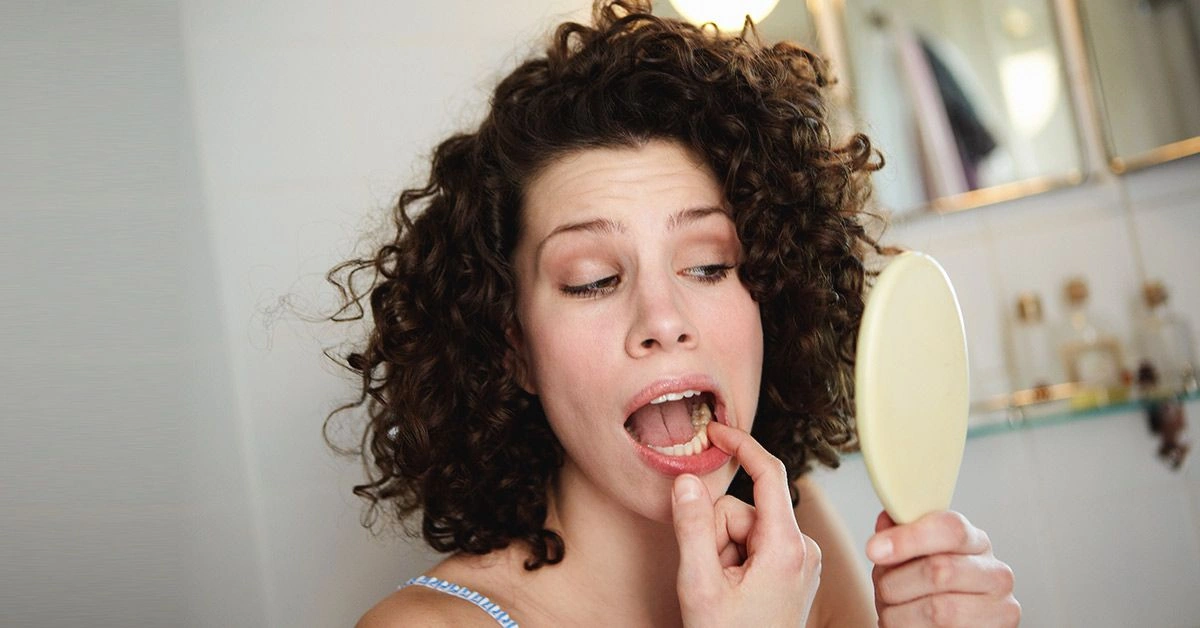
Although many things can lead to tooth discoloration, nicotine is one factor that often causes teeth to change hue over time.
The positive news is there are professional, store-bought, and at-home approaches that may help restore a brighter, whiter smile.

Does nicotine increase the likelihood of staining?
Yes. Smoking or using chewing tobacco makes the tooth enamel more prone to stains . Once you begin using nicotine products, your teeth can quickly take on a yellow tinge.
With long-term use, teeth often darken further and can even develop brownish discoloration.
Can nicotine harm teeth beyond just looks?
Stained teeth are not the only oral consequence of nicotine use. Gums can suffer repeated damage from ongoing nicotine exposure.
Smokers often have a weakened immune response. The Centers for Disease Control and Prevention (CDC) notes this reduces the body’s ability to combat gum infections.
Compared with nonsmokers, smokers face roughly double the risk of periodontal disease. The CDC also emphasizes that if you keep smoking while your gums are damaged, healing becomes more difficult.
Options for whitening teeth
How you address tooth staining depends on several elements, including:
- the intensity of the discoloration
- your budget
- how frequently you want to treat your teeth
Broadly speaking, teeth-whitening approaches fall into three groups:
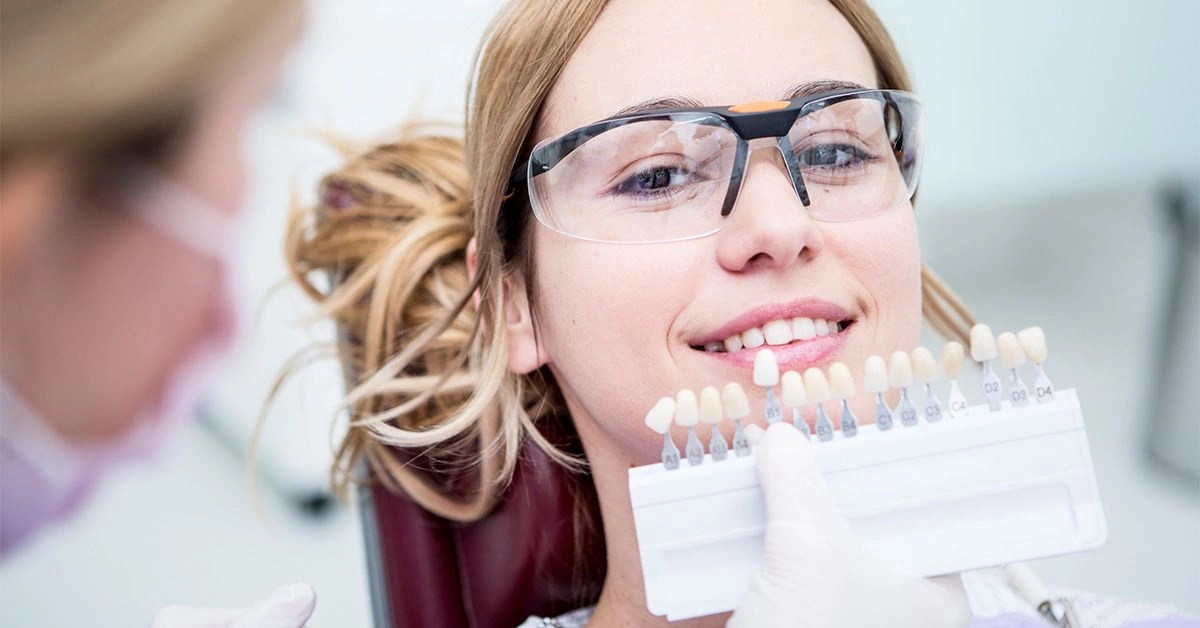
- professional whitening by a dentist
- at-home kits prescribed or supplied by a dentist
- do-it-yourself (DIY) remedies
Given the variety of choices, we consulted three dentists from practices across the country to gather their perspectives.
Professional whitening
If you’ve tried several home remedies without much improvement or have questions, a dental appointment may be warranted. Experts stress that you should see your dentist before using any whitening product.
Because tobacco smoke stains every tooth, Dr. Lana Rozenberg explains that over-the-counter items like toothpastes and whitening strips won’t keep teeth white for long. That’s why those who smoke often turn to dental professionals for more lasting results.
Quick in-office sessions
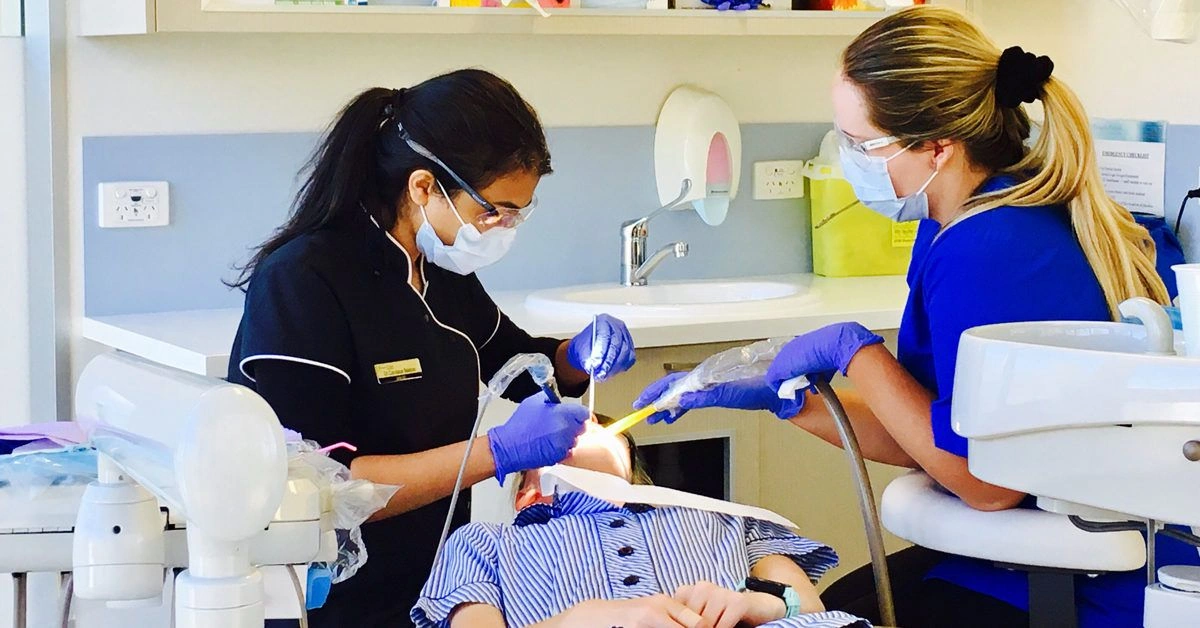
Rozenberg notes that in-office whitening systems such as Zoom can remove nicotine stains. “This approach involves applying a peroxide solution to the teeth and activating it with a high-intensity light,” she says. The treatment is painless and can take anywhere from 15 minutes to an hour.
Customized at-home plans
Dr. Christopher Rouse, of Flatrock Family Dentistry, says the most effective option is a 10% carbamide peroxide gel used in a custom-fitted tray. “This approach produces less sensitivity, conditions the soft tissues, and allows longer contact time with the tooth (overnight wear), which helps bleach deeper intrinsic stains,” he explains.
While in-office procedures can accelerate results, Rouse recommends supplementing them with at-home bleaching for heavily stained teeth.
Rozenberg adds that in-office whitening can last up to three years for many people, but in smokers the effects usually last closer to one year.
Additionally, routine dental cleanings every six months help remove surface stains, plaque, and tartar and can reduce future staining.
Q&A
Q: Do dental cleanings make whitening treatments work better?
A: Yes. Professional cleanings enhance whitening by removing stains, plaque, and tartar, giving the whitening agent a clean surface to penetrate the tooth uniformly. This prevents blotchy results and prolongs the whitening effect. Cleanings are typically done a few days before whitening.
— Christine Frank, DDS
Over-the-counter whitening products
OTC whitening items — gels, strips, and bleach applied with trays — are widely available at drugstores and pharmacies. Rozenberg says these can be effective against smoking-related stains.
She cautions, though, to use gels and bleaches judiciously.
“Products like Crest Strips are fine for regular use, but follow the instructions carefully because overuse or extended wear can cause tooth sensitivity and gum irritation,” she advises.
Before attempting any DIY bleaching, Rouse suggests a dental exam. “Some discoloration signals that a tooth’s nerve has died and may present a health concern if not addressed,” he says.
Also keep in mind that restorations — crowns, fillings, veneers — won’t respond to bleaching. Rouse warns that you may need to replace some dental work for cosmetic reasons after whitening.
Highly concentrated bleaching agents increase sensitivity and can cause chemical burns if they contact gum tissue. While such burns are reversible and do not harm tooth structure, they are uncomfortable.
To minimize discomfort, Rouse recommends combining a well-made custom delivery system with appropriate bleaching concentrations.
Other at-home DIY methods
Baking soda and peroxide. Rozenberg recommends brushing with a paste made from baking soda and a few drops of hydrogen peroxide to help whiten teeth. Mix peroxide into baking soda until it forms a paste, then use it like toothpaste.
“Adding hydrogen peroxide boosts whitening beyond what baking soda alone achieves,” she says. Before trying this, Dr. Natalie Pennington of Dentistry.com advises being mindful of the paste’s abrasiveness to avoid enamel damage. She recommends gently rubbing the paste on enamel for about 30 seconds.
Brush after smoking. If you continue to smoke, Pennington says you must be proactive to keep teeth whiter. “Brush soon after smoking to remove tar and chemicals before they become embedded in the enamel and cause staining,” she suggests.
Mouthwash while brushing. Rozenberg suggests holding mouthwash in your mouth and then brushing with your lips closed so the brush moves through the mouthwash — essentially brushing with the mouthwash to create a glossier appearance.
Rinse with hydrogen peroxide. Rozenberg also recommends diluting a small amount (under an ounce) of hydrogen peroxide with water, rinsing briefly, spitting, and then rinsing thoroughly with water. “This diluted solution can help lighten yellow stains,” she says.
The bottom line
If you use nicotine products, maintain diligent oral hygiene if you want to reduce or remove tooth stains.
Smokers typically need to whiten their teeth about twice as often as nonsmokers. The encouraging news is that through professional services, over-the-counter items, and at-home methods, you can improve the brightness of your teeth over time.
Frequently Asked Questions
Time varies by method and stain severity: in-office whitening can show results within one session, while OTC strips and at-home kits may take several weeks. Heavy, long-term stains often require combined professional and at-home treatments.
Occasional use of a baking soda and hydrogen peroxide paste can help lighten surface stains, but excessive or aggressive use may abrade enamel. Use gently and consult a dentist if unsure.
No. Composite restorations, crowns and veneers do not respond to bleaching. You may need replacement or polishing of restorations for a uniform color after whitening natural teeth.
Continuing to smoke will hasten re-staining. Many people who smoke need touch-up whitening more frequently—often about twice as often as nonsmokers—to maintain results.
Professional whitening under a dentist’s supervision tends to be safer and more effective, with tailored concentrations and trays to minimize sensitivity and gum irritation compared with unsupervised high-strength OTC options.
Read Next
What Are the Effects of Thumb Sucking on the Teeth and Mouth?
Hyperdontia: Do I Need to Have My Extra Teeth Removed?
Veneers vs. Lumineers: What’s the Difference?
Everything You Need to Know About Mini Dental Implants
How Regularly Should You Get Your Teeth Cleaned?
What Should I Do About a Molar Broken Off at the Gum Line
Related Posts

Everything You Need to Know About Fever Blister Remedies, Causes, and More
Sep 6, 2026 • 14 min read
What You Need to Know About Snap-In Dentures
Aug 12, 2026 • 32 min read
The 9 Best Mouthwashes For Whitening, Cavities, Gums, Breath, and More
Sep 16, 2026 • 6 min read
Debunking the Myth of Tooth Worms and Other Cavity Causes
Aug 4, 2026 • 22 min read
What Exactly Is a Tooth Piercing?
Sep 11, 2026 • 28 min read