Who Needs Braces?


Braces are frequently used to correct teeth that aren’t properly aligned.
If you or your child requires braces, the treatment can be costly, time-consuming, and inconvenient. Still, orthodontic braces have a strong track record, providing oral health advantages that go beyond just improving your smile.
Braces are most often recommended during childhood or early adolescence, though adults are increasingly choosing orthodontic care. In fact, about 20 percent of people with braces today are adults.
If you suspect that you or a family member could benefit from braces, it’s better to find out sooner rather than later. This article outlines common signs that someone may need braces and offers guidance on next steps.
Signs you need braces
Indicators that an adult might need braces can differ depending on age and overall dental condition.
Adult orthodontics is growing in popularity, and outcomes for adult patients are generally favorable.
A 1998 study estimated that needing orthodontic treatment is more common than having perfectly aligned teeth, finding that only 35 percent of adults have well-aligned teeth.

Symptoms that may suggest you need braces include:
- teeth that appear noticeably crooked or overcrowded
- trouble flossing and brushing effectively around misaligned teeth
- frequent accidental biting or cutting of the tongue
- teeth that don’t meet correctly when your mouth is relaxed
- difficulty enunciating certain sounds because of tongue placement
- jaws that click or make noises when chewing or upon waking
- jaw fatigue or soreness after chewing
How to tell if your child needs braces?
Determining whether a child needs braces can be trickier. Crooked or crowded baby teeth may signal a future need for orthodontic care.
Other signs to watch for include:
- breathing predominantly through the mouth
- jaws that make clicking or other noises
- frequent accidental biting of the tongue, roof of the mouth, or inner cheek
- thumb-sucking or using a pacifier beyond age 2
- losing baby teeth either much earlier or later than expected
- teeth that don’t come together even when the mouth is fully closed
- teeth that are crooked or overlapping
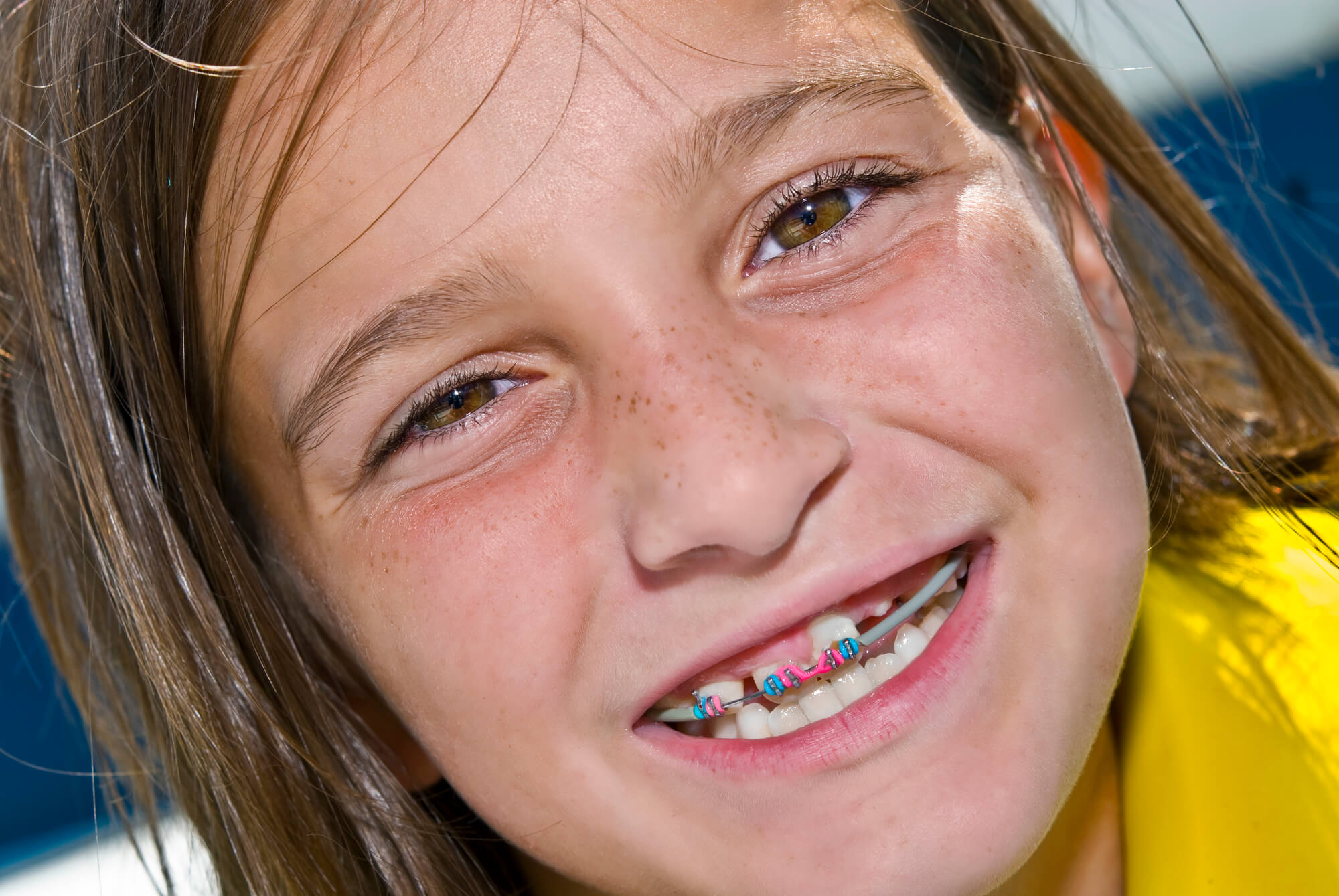
Poor early nutrition, inadequate dental care, and heredity can all contribute to a child (or adult) needing braces.
When to see a dentist
The American Association of Orthodontists suggests that children have an orthodontic evaluation by age 7. The rationale is that identifying issues early can make treatment more effective.
Even children who show no obvious crowding or misalignment can gain from an orthodontic assessment.
The optimal age to begin braces varies by individual. Typically, orthodontic treatment starts between ages 9 and 14, when permanent teeth begin to erupt.
However, for some, getting braces as a child isn’t feasible due to cost, logistics, or lack of diagnosis, so treatment may be postponed until adulthood.
Technically, there’s no upper age limit for braces. That said, delaying care isn’t advisable.
Whenever you decide to pursue correction for crowded or crooked teeth, you can book a consultation. You generally don’t need a dentist’s referral to see an orthodontist.
Keep in mind that as you get older, changes in the jaw can lead to increased crowding or shifting of teeth. Waiting to address an overbite or crooked teeth won’t make the issue resolve on its own.
The earlier you consult a professional about braces, the better the potential outcome.
Are there alternatives to braces?
Traditional metal braces, ceramic braces, and clear aligners are among the most common methods for straightening teeth.
The main alternative to wearing orthodontic braces is corrective surgery to realign the teeth or jaw.
Such surgery can range from a relatively minor procedure to adjust tooth position to more extensive operations that reposition the jaw to improve chewing and speaking function.
Takeaway
Crooked and crowded teeth remain the classic indicators that you or your child might need braces.
But an overbite or misaligned teeth aren’t the only reasons braces may be necessary. It’s also incorrect to assume you must wait until all permanent teeth have erupted to determine whether a child needs orthodontic care.
Braces represent a significant financial commitment.
There’s a distinction between wanting braces for cosmetic enhancement and needing them for long-term oral health. If you notice any of the symptoms listed above, consult a dentist or orthodontist about the possibility of treatment — and if cost is a concern, research the average cost of braces to plan accordingly.
Frequently Asked Questions
Common signs include noticeably crooked or crowded teeth, trouble flossing, frequent biting of the tongue, teeth that don’t meet properly, jaw clicking, and speech difficulties tied to tooth position. An orthodontic evaluation can confirm need and options.
The American Association of Orthodontists recommends an orthodontic evaluation by age 7. Early assessment helps identify issues that may benefit from timely intervention, though treatment often starts between ages 9 and 14.
Yes—about one in five people with braces are adults. Modern orthodontic treatments are effective for adults, though certain cases may take longer and require additional dental work.
Alternatives include clear aligners, ceramic braces, and, for some structural issues, corrective jaw surgery. The right option depends on the specific alignment problems and a professional assessment.
Immediate treatment isn’t always required, but early consultation is recommended. Delaying can allow worsening alignment or jaw changes; a dentist or orthodontist can advise an optimal timeline and treatment plan.
Read Next
How Long Will I Have to Sit in the Dentist Chair During a Root Canal?

What Exactly Is a Tooth Piercing?

How Regularly Should You Get Your Teeth Cleaned?

Everything You Need to Know About Fever Blister Remedies, Causes, and More

Everything You Need to Know About Mini Dental Implants

What You Need to Know About Snap-In Dentures
Related Posts

How to Remove Nicotine Stains from Your Teeth
Aug 14, 2026 • 7 min read
Veneers vs. Lumineers: What’s the Difference?
Sep 11, 2026 • 5 min read
What Are the Effects of Thumb Sucking on the Teeth and Mouth?
Aug 11, 2026 • 9 min read
Debunking the Myth of Tooth Worms and Other Cavity Causes
Aug 4, 2026 • 13 min read
Hyperdontia: Do I Need to Have My Extra Teeth Removed?
Aug 1, 2026 • 26 min read