Does the Mirena IUD Cause Hair Loss?

Overview
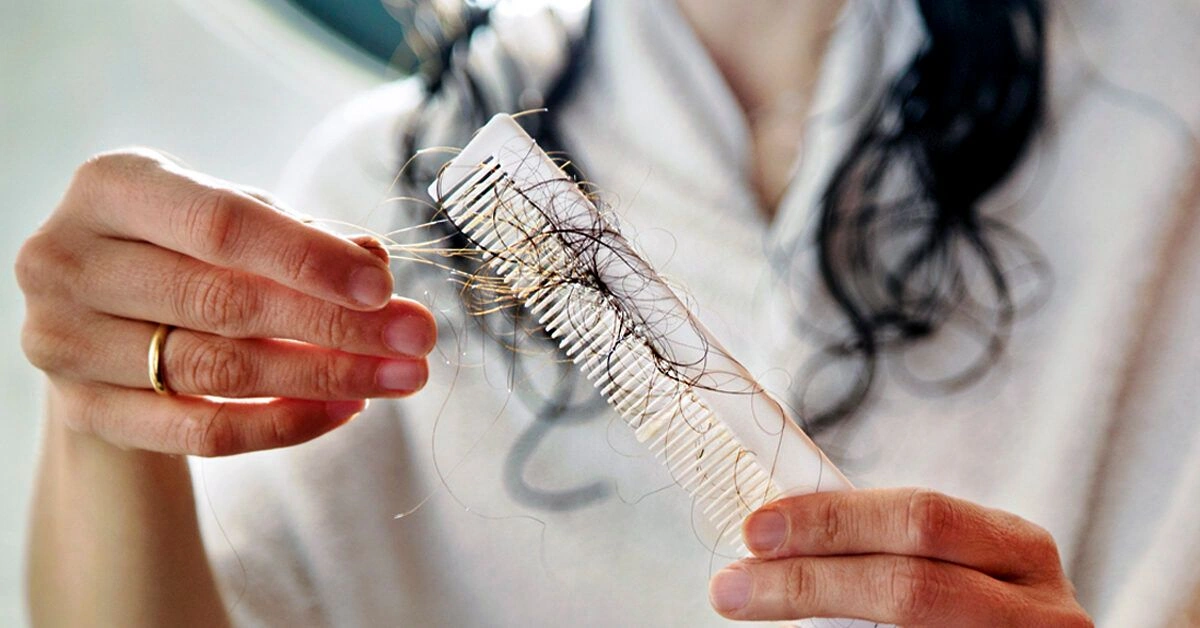
Discovering clumps of hair in the shower can be alarming, and pinpointing the reason isn’t always straightforward. If you recently had a Mirena intrauterine device (IUD) placed, you may have heard claims that it can trigger hair thinning or loss.
Mirena is an intrauterine contraceptive that contains and dispenses a hormone similar to progesterone. It does not contain estrogen.
Mirena ranks among the most frequently used long-acting contraceptives, yet clinicians don’t routinely warn patients about possible hair loss. Is there a link? Read on to learn more.

Does Mirena cause hair loss?
The Mirena product information notes alopecia as an adverse event reported in fewer than 5 percent of women who participated in clinical trials. Alopecia is the medical term for hair loss.
Although hair loss appears uncommon among Mirena users, the proportion of participants reporting it during trials was high enough to include on the device’s adverse reaction list.
After Mirena was approved, only a handful of investigations explored whether Mirena is linked to hair loss.
One large study from Finland of users of an IUD releasing levonorgestrel, the hormone in Mirena, found hair loss in almost 16 percent of respondents. This research surveyed women who had Mirena placed between April 1990 and December 1993. Still, the study couldn’t exclude other potential contributors to their hair loss.
A subsequent review of post-marketing reports in New Zealand showed hair loss was documented in under 1 percent of Mirena users, consistent with the Mirena labeling. In four of five of these reports, hair shedding began within 10 months of the IUD being inserted.
Because other causes of hair loss were excluded in some of these cases, investigators felt there was reasonably solid evidence suggesting the device contributed to the hair loss.
Researchers also highlighted how diminished estrogen production and activity during menopause can contribute to hair loss by increasing the relative effect of testosterone, which is then converted to the more potent dihydrotestosterone, leading to thinning hair.
Although the precise mechanism by which Mirena might cause hair loss remains unclear, researchers have theorized that for certain women, exposure to Mirena’s progesterone-like hormone could lower estrogenic activity and thereby contribute to hair shedding.
What else could be causing my hair loss?
While Mirena might be responsible for your hair loss, it’s essential to consider other potential causes for increased shedding.
Other recognized reasons for hair loss include:
- advancing age
- hereditary factors
- thyroid abnormalities, such as hypothyroidism
- poor nutrition, including inadequate protein or iron
- physical trauma or prolonged emotional stress
- other drugs, for example chemotherapy agents, certain anticoagulants, and some antidepressants
- illness or recent surgical procedures
- hormonal shifts after childbirth or during menopause
- significant weight loss
- chemical treatments such as relaxers, permanent straightening, coloring, or bleaching
- tight hairstyles or accessories (ponytails, clips) and styles that pull on hair like braids or cornrows
- excessive use of heated styling tools like blow dryers, curling tongs, hot rollers, or flat irons

Postpartum hair shedding is common. If Mirena was inserted after childbirth, your hair loss might well be due to postpartum changes rather than the device itself.
Other side effects of Mirena
Mirena is a contraceptive IUD that contains levonorgestrel, a synthetic progestin. A clinician inserts it into the uterus, where it releases the hormone locally to prevent pregnancy for up to five years.
The most frequently reported side effects of Mirena include:
- dizziness, fainting, bleeding, or cramping during insertion
- spotting, irregular bleeding, or heavier bleeding, especially during the first three to six months
- absence of monthly periods
- formation of ovarian cysts
- abdominal or pelvic discomfort
- vaginal discharge
- nausea
- headache
- anxiety or nervousness
- painful menses
- vulvovaginitis
- weight gain
- breast or back pain
- acne
- lowered sexual desire
- depressive symptoms
- elevated blood pressure
Rarely, Mirena may increase the risk of a severe infection called pelvic inflammatory disease (PID) or other potentially life-threatening infections.
There is also a risk during insertion of perforation of the uterus or cervix. Another issue is embedment, where the device becomes lodged in the uterine wall. In both scenarios, surgical removal of the IUD may be necessary.
Can hair loss caused by Mirena be reversed?
If you’re experiencing hair shedding, see a clinician to investigate other potential causes. Your doctor will probably evaluate for vitamin and mineral shortages and test thyroid function.
Although proving Mirena as the definite cause of hair loss can be challenging, if no other reason is identified, you might consider having the IUD removed.
In the small New Zealand review, two of three women who removed their IUD because of hair loss concerns reported that their hair regrew after removal.
Some lifestyle adjustments and home strategies may support hair recovery, such as:
- correcting nutritional deficiencies, especially biotin (B7), other B vitamins, zinc, iron, and vitamins C, E, and A
- gently massaging the scalp to boost circulation
- handling hair gently—avoiding pulling, twisting, or harsh brushing
- limiting heat styling and avoiding aggressive bleaching and chemical processes
Regrowth can take several months to become noticeable, so patience is important. In the meantime, wigs or hair extensions can help cover thinning areas.
If the hair loss is distressing, consider seeking emotional support or counseling to help with coping.
The takeaway
Hair loss is regarded as an uncommon side effect of Mirena. If you and your clinician determine Mirena is the most suitable contraceptive option, you likely won’t experience hair loss, but it’s worth discussing this potential effect before insertion.
If you suspect Mirena is behind your hair loss, consult your doctor to exclude other causes. Together you can decide whether to remove Mirena and try an alternative contraception method.
After removal, be patient — it may take months before you see hair regrowth.
Optum Now is operated by RVO Health. By clicking on this link, we may receive a commission. Learn more.
Frequently Asked Questions
Hair loss is reported by a small percentage of Mirena users and is listed as a possible adverse effect; evidence is mixed, but some reports and studies suggest a possible link in susceptible women.
Cases in reports often described hair shedding beginning within months of insertion, commonly within the first 10 months, though timing can vary between individuals.
Your clinician should evaluate common causes such as genetics, thyroid disease, nutritional deficiencies (iron, B vitamins), recent childbirth, stress, medications, and scalp conditions.
Some people who removed Mirena have reported hair regrowth, but recovery can take several months and is not guaranteed; outcomes depend on the underlying cause and individual factors.
Address nutritional deficits, follow gentle hair care, limit heat and harsh treatments, consider scalp massage, and work with a healthcare provider to evaluate medical treatments or removal if Mirena is suspected.





Related Posts

Is It Possible to Encourage Facial Hair Growth?
Aug 23, 2026 • 24 min read
About Prickly Pear Seed Oil
Aug 17, 2026 • 29 min read
EGCG (Epigallocatechin Gallate): Benefits, Dosage, and Safety
Aug 10, 2026 • 6 min read
Is the Pain in My Tailbone Cancer?
Aug 21, 2026 • 3 min read
What You Need to Know About Vacuum-Assisted Wound Closure (VAC)
Jul 31, 2026 • 18 min read