Cascara Sagrada for Constipation Relief

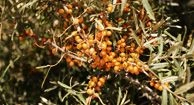
Cascara sagrada is a botanical remedy that was once a frequent component in some over-the-counter (OTC) laxative products.
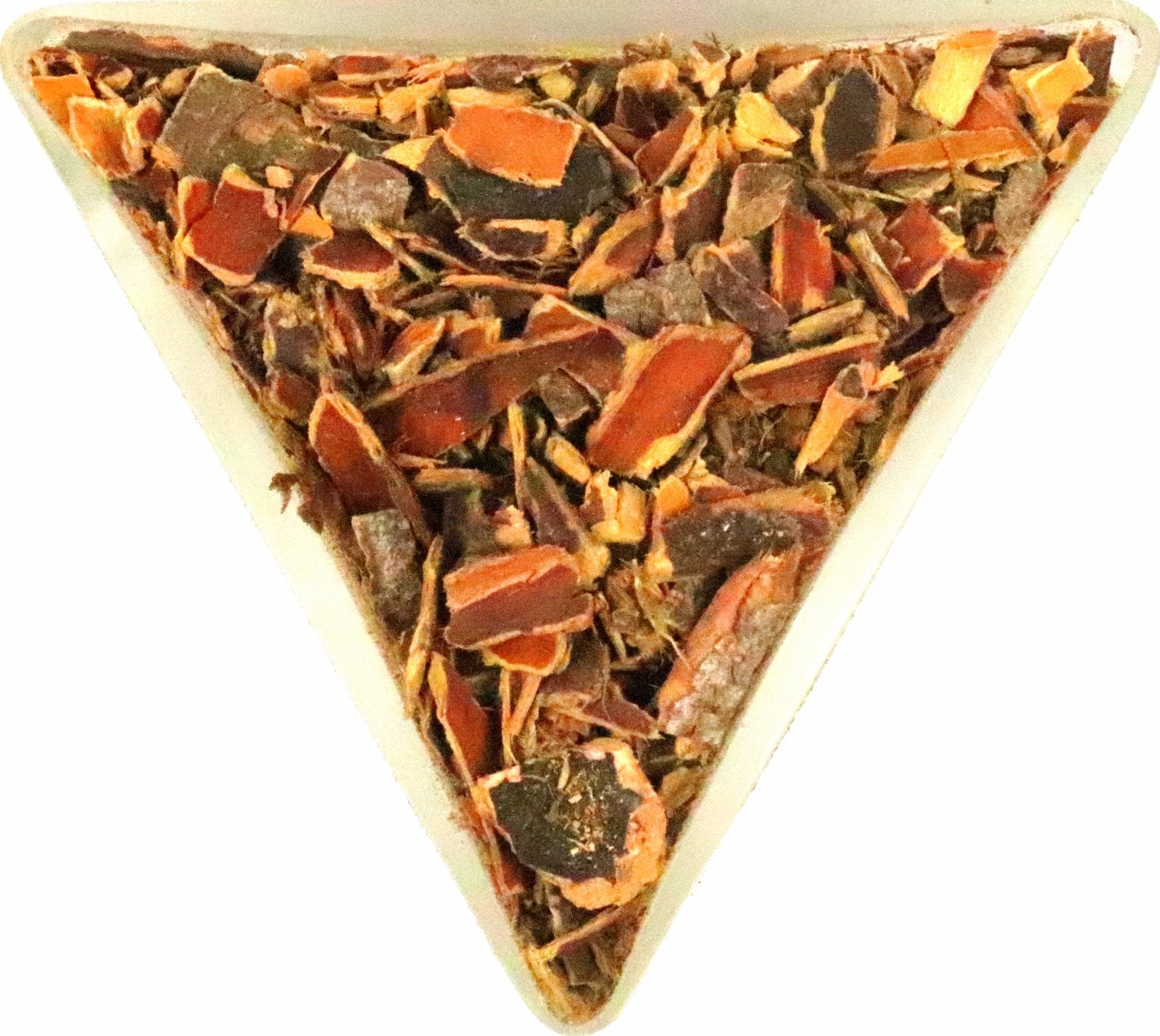
The bark is harvested from the California buckthorn tree, which grows along the U.S. West Coast and in regions of South America. Traditionally, Indigenous peoples used it to address a variety of ailments, including:
- constipation
- digestive disturbances
- muscle and joint discomfort
- gonorrhea
- gallbladder stones
- dysentery
How cascara sagrada helps constipation
Cascara sagrada functions as a stimulant laxative. It promotes contractions of the intestinal muscles, helping to propel stool through the digestive tract. The bark contains compounds known as anthraquinones that contribute both to its coloration and its laxative properties. These compounds interact with intestinal bacteria to trigger bowel activity.
For many years cascara sagrada appeared in several OTC laxatives in the United States. However, manufacturers have sometimes misrepresented its safety and effectiveness. In 2002, regulators determined that cascara sagrada and certain other stimulant laxative ingredients were not proven to be safe and effective for OTC use.
Consequently, OTC laxatives containing cascara sagrada are no longer available, although the bark remains sold as an herbal supplement and is present in some prescription laxative formulations.
Safety concerns
There are several safety issues to weigh before using cascara sagrada. It can produce abdominal cramping, electrolyte imbalances, and dependence. Prolonged use beyond two weeks may lead to difficulty having bowel movements without continued laxative use.
Consult your healthcare provider before taking cascara sagrada. A clinician can exclude other medical causes of constipation and advise whether it is an appropriate option for you. They will likely suggest other treatments first. Pregnant individuals and children under 12 should avoid laxatives except when prescribed by a physician because of potential adverse effects.
Avoid using cascara sagrada if you have:
- inflammatory bowel conditions, such as ulcerative colitis or Crohn’s disease
- intestinal obstruction
- abdominal pain of unknown origin
- kidney impairment
- suspected appendicitis
Guidelines for usage
Carefully follow label directions before using cascara sagrada. This herb can interact with other drugs. Dosing for products that include multiple ingredients depends on the amount of cascara sagrada present.
When taking any laxative, be sure to drink adequate fluids. Aim for roughly six to eight glasses of water daily to maintain hydration and help soften stool. Adhere to any additional guidance provided on the product packaging.
In general, stimulant laxatives are recommended only for short-term, occasional use and typically as a last option after dietary changes, exercise, and other therapies have failed.
Frequently Asked Questions
Cascara sagrada is the dried bark of the California buckthorn tree. It acts as a stimulant laxative by promoting intestinal muscle contractions through compounds called anthraquinones, which can help move stool along the digestive tract.
No. Prolonged use beyond about two weeks can cause dependence, electrolyte imbalances, abdominal cramping, and difficulty having bowel movements without the laxative. It’s intended only for short-term, occasional use.
Avoid cascara sagrada if you have inflammatory bowel disease (like Crohn’s or ulcerative colitis), intestinal obstruction, unexplained abdominal pain, kidney impairment, suspected appendicitis, or if you are pregnant or a child under 12 unless directed by a physician.
Follow label directions and dosing carefully, stay well hydrated (about six to eight glasses of water daily), and consult your healthcare provider before use. They will evaluate other causes of constipation and recommend safer first-line treatments if appropriate.
Yes. Cascara sagrada can interact with certain drugs and affect electrolyte balance, so discuss all current medications and supplements with your clinician before taking it.





Related Posts

Why Are Blisters Forming Between My Toes and How Do I Treat Them?
Jul 31, 2026 • 3 min read
Rexulti (Brexpiprazole) Overview
Aug 15, 2026 • 31 min read
Chickpea Allergy: What You Need to Know
Aug 6, 2026 • 20 min read
Green Tea for Hair: A Complete Guide
Aug 4, 2026 • 34 min read
9 of the Best Keto-Friendly Protein Bars You Can Buy
Sep 17, 2026 • 28 min read