The Ultimate Guide to Clitoral Stimulation and Techniques to Try

- How to stimulate your own clitoris
- 1. Begin gently and slowly
- 2. Try a range of techniques
- 3. Include internal exploration
- How to stimulate a partner’s clitoris
- 1. Ask for direction
- 2. Get hands-on
- 3. Use pillows for support
- 4. Leverage furniture
- 5. Ride and glide
- 6. Reverse rider
- 7. One-thigh ride
- 8. Oral techniques
- 9. Introduce a sex toy
- 10. Keep things varied
- The bottom line
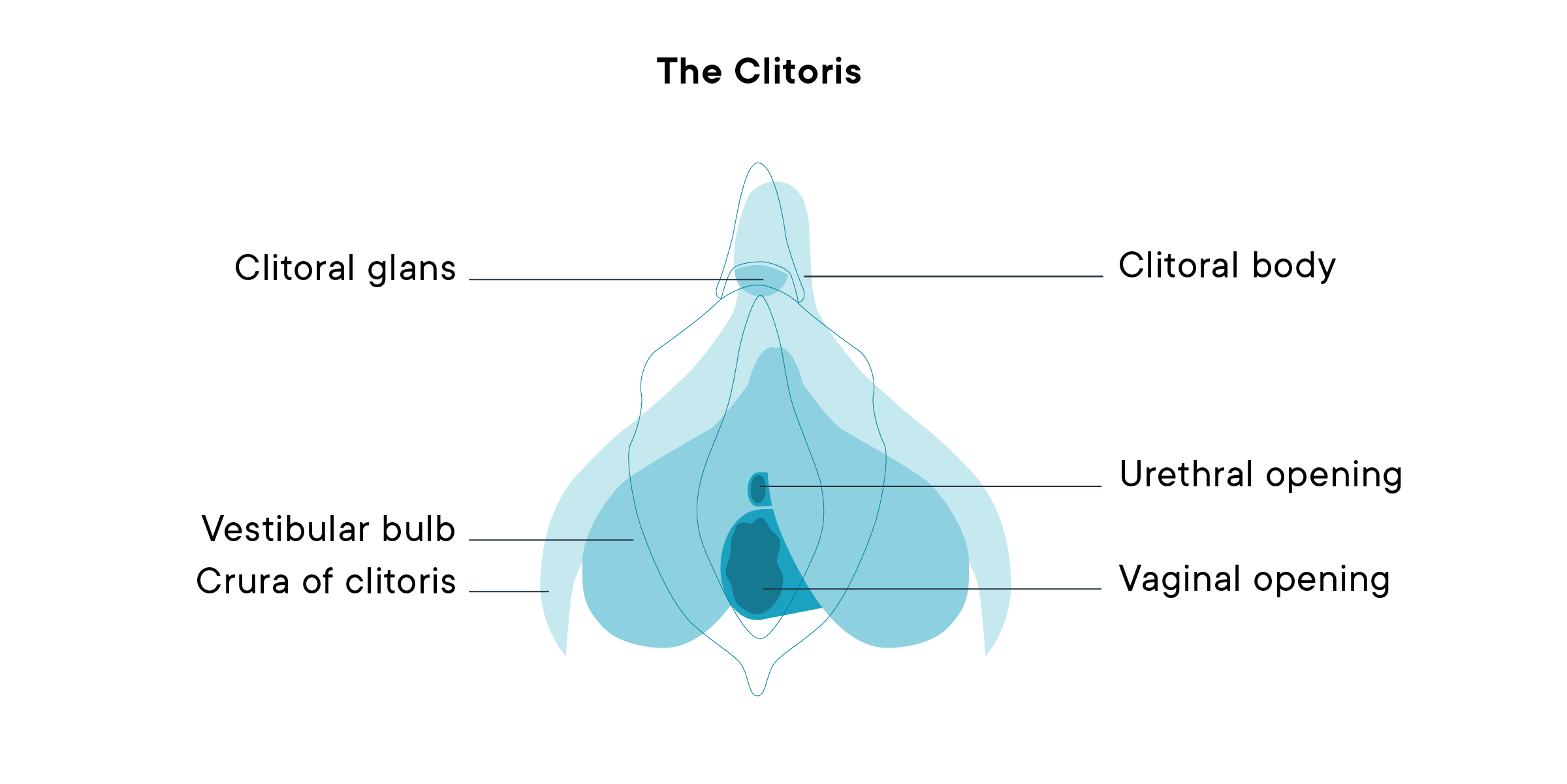
You’ll find the clitoris located at the top of the labia surrounding the vaginal opening, but this highly innervated organ actually extends inward. Both external and internal stimulation can activate the many nerve endings associated with the clit.
If you have a clitoris or are intimate with someone who does, it’s worthwhile to understand this nerve-rich structure.
Although mainstream coverage has sometimes made the clitoris seem mysterious, learning a few tactile techniques can make a big difference.
We consulted experts and reviewed the research to assemble a straightforward guide to clitoral stimulation. If you want to learn how to touch your own (or a partner’s) clit in a way that’s genuinely satisfying, read on.
How to stimulate your own clitoris
1. Begin gently and slowly
The clitoris often needs time to warm up. You may find it helpful to caress your labia or rub around the clitoral area before moving to direct stimulation.
When you start touching your clit, begin with light strokes. Increase pressure or speed gradually as your body signals that it wants more.
2. Try a range of techniques
Different methods can produce different sensations, and how you stimulate yourself is entirely a personal choice.
Here are several clitoral stimulation approaches you might experiment with:
- Slide and stroke: Use your hand, fingers, or a toy to glide up and down or back and forth across the clitoris and hood.
- Light taps: A gentle tapping motion on the clit and hood can steadily build arousal. Increase speed if desired.
- Grind it out: No hands needed and clothes can stay on. Straddle a pillow and grind your pelvis to stimulate the clitoral area.
- Peace sign pinch: Use your first two fingers like a peace sign to lightly pinch the clitoral hood and tug up and down, or move back and forth.
- Circular motion: Trace slow circles around the clit and hood with a finger, also touching the labia as you go.
- Explore other zones: You may find arousal or orgasm from massaging nearby erogenous areas. Try the labia, vaginal opening, inner thighs, perineum, or anus. Lying on your stomach and reaching back can make some spots easier to access. This position also works well for grinding while touching yourself.
- Internal stimulation: The internal portions of the clitoris wrap around the vaginal canal, so inserting fingers or a toy can feel deeply pleasurable. Combine internal penetration with external techniques for enhanced sensation.
- Use vibrations: A vibrating toy can amplify or substitute any of the above methods. Vibrators are especially useful if you want to minimize hand or wrist movement. Start on a low setting and raise intensity as you like.
3. Include internal exploration
Try inserting about a third of the way into the vagina and experiment with pressure and motion against the front (upper) vaginal wall to see what feels right.
It may take practice to locate a particularly sensitive internal spot, but finding it can add another layer of pleasure.
How to stimulate a partner’s clitoris
1. Ask for direction
Approach the subject from a place of curiosity and care—express that you want to learn their preferences without pressuring them to perform.
Examples you might use:
- “I’d love to watch you touch your own clit so I can learn how you like it.”
- “Is this pressure working for you, or would you prefer it softer or firmer?”
- “Which of these feels best? This motion or this one?”
2. Get hands-on
Many positions allow space to reach the clit during penetrative sex. Missionary, cowgirl, and spooning positions are particularly convenient for this.
You can reach between your partner’s legs to stimulate, or invite them to guide your hand.
3. Use pillows for support
Grinding against a prop can be intensely pleasurable for people who prefer pressure.
If your partner likes pressure, put a pillow or folded blankets under their pubic bone. Let them hump the prop while you penetrate or stimulate from behind.
4. Leverage furniture
Use the environment to get into a comfortable, effective position.
For instance, lean back against a headboard or sofa, have your partner straddle your hips and hold on behind them. Their clit will be in an easy-to-reach position so you can apply the techniques above.
5. Ride and glide
Sit or recline slightly, then encourage your partner to slide up and down your thigh or pubic area.
Adding lube can increase glide and reduce friction for a more pleasurable experience.
6. Reverse rider
In the reverse rider, your partner straddles you while facing away. If you have a penis or a strap-on, you can thrust vaginally or anally while they rub their clit.
If both partners have clitorises, place pillows under the lower partner’s pelvis to tilt the hips and enable clit-to-clit contact.
7. One-thigh ride
A variant of the reverse rider: have your partner straddle just one of your legs instead of both.
This lets them ride up and down your thigh; penetration with a penis, finger, or toy can be easily incorporated.
8. Oral techniques
If your partner enjoys oral, use your tongue to circle the clitoris and hood with varied pressure.
Alternatively, an air-suction toy can mimic oral sensations when used with lubrication.
9. Introduce a sex toy
Placing a vibrator near or on the clitoris produces sensations that hand stimulation alone might not achieve.
Many people reach orgasm faster and more intensely with the help of vibrators.
10. Keep things varied
Don’t hesitate to change things up until you discover the angle, pressure, and rhythm that work best for your partner.
Ways to mix it up:
- Switch the direction of your strokes.
- Increase or decrease pressure.
- Combine different techniques.
- Speed up or slow down the tempo.
- Change the number of fingers used.
- Introduce or swap toys.
- Alternate between external stimulation and internal penetration.
The bottom line
Whether solo or partnered, it’s normal if a particular technique doesn’t hit the mark. Clitoral stimulation varies widely from person to person; there’s no single prescribed method. And much about the clitoris remains under-researched.
Researchers didn’t produce a 3D depiction of the full clitoral anatomy until 2008. Before that, the internal components and their interactions with surrounding genital structures were not well mapped.
Because scientific study of the clitoris is still catching up, it’s all the more reason to explore—alone or with a partner—what truly feels best for you.
Frequently Asked Questions
The clitoris is a highly sensitive organ with external and internal parts that contain many nerve endings. It plays a central role in sexual pleasure and orgasm for many people.
Begin gently, use lubrication if needed, and increase pressure or intensity gradually. Pay attention to comfort signals and avoid aggressive or painful techniques.
Yes. Use body-safe materials, clean toys before and after use, start on low settings, and stop if you feel pain or discomfort. Replace or recharge according to manufacturer guidance.
Ask for guidance, invite your partner to show you preferred techniques, and communicate during stimulation about pressure, speed, and location to find what feels best.
Yes. The internal parts of the clitoris wrap around the vaginal canal, so combining internal penetration with external stimulation can enhance pleasure for some people.



Related Posts

Don’t ‘Wake Your Partner Up’ with Sex — That Can Be Sexual Assault
Jul 29, 2026 • 22 min read
Does Masturbating Before Sex Affect Your Performance?
Aug 30, 2026 • 15 min read
8 Underwear Rules to Live by for a Healthy Vagina
Sep 5, 2026 • 15 min read
A Beginner’s Guide to Pegging
Sep 12, 2026 • 3 min read
Cómo lograr un orgasmo anal: 35 consejos para ti y tu pareja
Aug 21, 2026 • 5 min read