Lyly

This Is How Dry Shampoo Works
Dry shampoo is a hair care product marketed to reduce visible oil, grease, and grime in your hair. Unlike traditional wet shampoos and conditioners, dry shampoo is designed to be used on dry hair — hence the name. Dry shampoo does not require rinsing and is usually applied to the crown and other spots where oil and shine tend to accumulate. Many people rely on dry shampoo to refresh hair…
Goodbye, Dry Hair: Here’s How to Deep Condition at Home Like a Pro
A deep conditioning treatment can infuse extra moisture into your hair and help prevent moisture loss. Many specialists suggest deep conditioning weekly for a lot of people, though the ideal frequency depends on your hair type. If your hair is dry, a deep conditioning treatment may be the solution for softer, more manageable locks. “Dry hair lacks moisture from outside sources and from internal sebum, or oil, production,” says Deanne…

Side Effects and Precautions of Skin Bleaching
Skin bleaching describes the use of products aimed at lightening darkened areas of skin or achieving an overall paler complexion. These methods include creams, soaps, oral pills, and professional procedures such as chemical peels and laser treatments. There are no health advantages to skin bleaching. Outcomes are not guaranteed, and evidence shows that skin lightening can cause significant side effects and complications. From a medical perspective, there is no necessity…
Corn 101: Nutrition Facts and Health Benefits
Corn is a nutritious cereal and a supply of fiber, vitamins, minerals, and antioxidants. It can support eye and digestive well-being. Highly processed corn products, however, like tortilla chips, provide fewer nutritional advantages. Also termed maize (Zea mays), corn ranks among the world’s most consumed cereal grains. It’s the seed of a grass-family plant, originating in Central America but cultivated in numerous varieties across the globe. Popular types include popcorn…
10 Ways to Tell You’re in Ketosis Without Testing
When your body shifts from burning glucose to burning fat, ketone levels rise — a state called ketosis. This can cause noticeable changes in breath odor, appetite, and overall energy. The ketogenic, or keto, diet is a widely used and effective approach for shedding pounds and enhancing health. When done correctly, this low-carbohydrate, high-fat eating plan increases blood ketone concentrations. Ketones are metabolic byproducts that serve as an alternative energy…
A Detailed Beginner’s Guide to The Ketogenic Diet
The ketogenic eating plan involves eating very few carbohydrates and substituting them with fats so your body burns fat for fuel. Potential health advantages include shedding pounds and lowering the risk of certain illnesses. The ketogenic diet (often called the keto diet) is a low-carb, high-fat nutritional approach that offers numerous health perks. Indeed, many studies indicate this style of eating can promote weight loss and enhance overall health. Ketogenic…
Zinc Supplements: Benefits, Side Effects, and Recommended Dosage
Many people reach for zinc lozenges and supplements at the first sign of illness, and with good cause. Zinc ranks among the most plentiful trace minerals in the body and is essential for nearly every facet of health. Zinc is required for the proper activity of more than . Research indicates this mineral may bolster immune defenses, help stabilize blood sugar, and support the health of skin, eyes, and the…
11 Benefits of Fish Oil
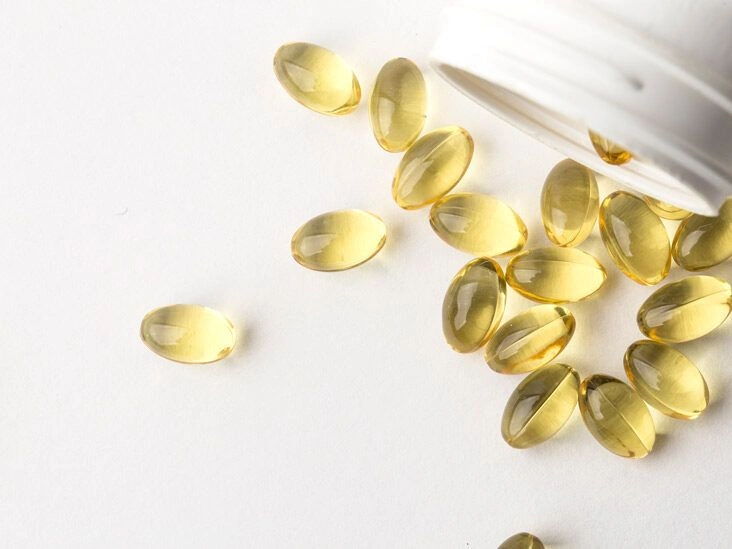
Fish oil is a rich supply of omega-3 fatty acids, which support both cardiovascular and brain health. Still, obtaining omega-3s from whole fish is generally preferable. For those who rarely eat fish, fish oil supplements offer a practical alternative. (img by Jupiter Internal Medicine) Fish oil is among the most widely used nutritional supplements. It provides concentrated omega-3 fatty acids, which are essential for overall health. If you do not…
Fish Oil Dosage: How Much Should You Take Per Day?
Although there’s no universally prescribed daily amount for fish oil, taking it can help you meet the suggested daily intake of omega-3 fatty acids. Many individuals include fish oil supplements in their everyday routines. Beyond supporting brain, eye and heart health, fish oil may also help reduce inflammation in the body. Numerous healthcare professionals endorse its use. Still, you might be unsure about the appropriate dosage for your needs. This…
9 Little-Known Side Effects of Too Much Fish Oil
Fish oil is widely recognized for its array of health-supporting benefits. It supplies two primary omega-3 fatty acids: eicosapentaenoic acid (EPA) docosahexaenoic acid (DHA) Packed with these heart-friendly omega-3s, fish oil supplements may help reduce inflammation, lower diabetes risk, and ease symptoms of inflammatory disorders such as rheumatoid arthritis. That said, more fish oil isn’t always better — taking excessively large amounts can potentially cause adverse effects. This article outlines…