Lyly

Blue Tea: Benefits, Side Effects, and How To Make It
Blue tea — often called butterfly pea or blue pea tea — is an herbal infusion originating from South Asia. It’s prepared by steeping the dried petals of Clitoria ternatea L., a plant notable for its vivid blue hue. Beyond its use as a natural coloring agent, blue tea is commonly consumed for its health-promoting properties. For example, it’s been linked to improved cardiovascular and cognitive health and may offer…
What are greens powder (super greens) and are they actually good for you?
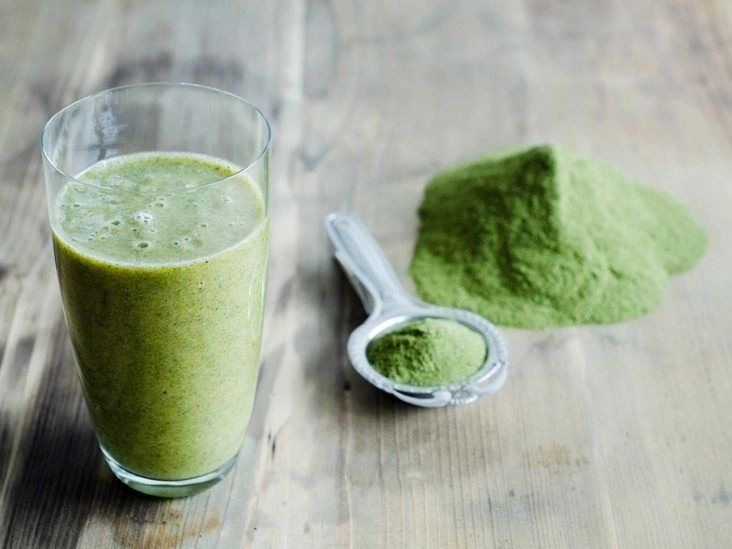
Greens powders are dietary supplements made from leafy greens, vegetables, seaweed, probiotics, digestive enzymes, and other plant-derived ingredients. They might help support immune function and lower the risk of chronic conditions, but long-term effects remain under investigation. It’s widely known that many people fall short of consuming enough vegetables. Greens powders are formulated to assist in meeting the daily recommended intake of vegetables. Manufacturers claim these powders can enhance immunity,…
10 Health Benefits of Spirulina
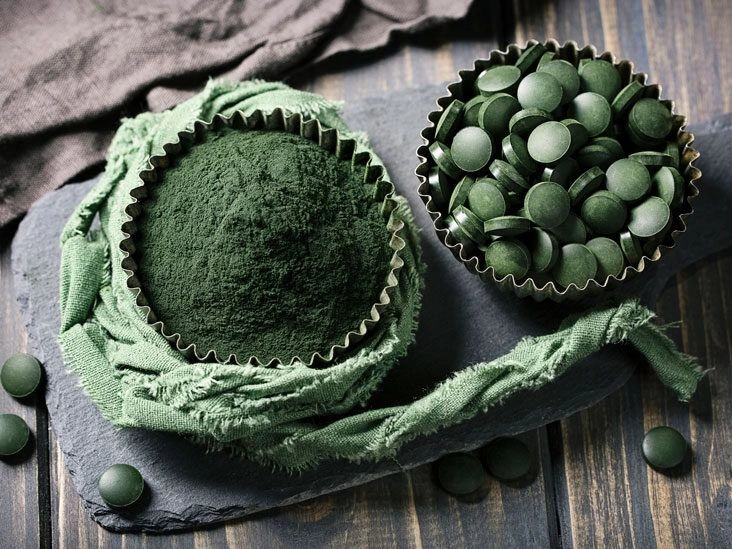
Spirulina is a form of algae that thrives in both freshwater and saltwater environments. It is commonly available as a supplement in tablet or powder form. People take it for its nutritional value and antioxidant effects. Historically used by the Aztecs, spirulina regained attention when NASA suggested it could be cultivated in space as a food source for astronauts. Today, many use spirulina to increase their intake of nutrients and…
What Are the Health Benefits of Blue Spirulina?
Blue spirulina is the phycocyanin pigment derived from spirulina algae. It is rich in antioxidants and may offer support for brain function, immune response, and cardiovascular wellness, among other advantages. Often labeled a superfood, spirulina (Arthrospira platensis) is a form of cyanobacteria commonly called blue-green algae. This organism harnesses sunlight for nutrients and can thrive in both freshwater and marine environments. Typical spirulina presents a blue-green hue. (img by Ecosystem…
All You Need to Know About the Carnivore (All-Meat) Diet
No rigorous trials support assertions that the carnivore diet can resolve health conditions. It omits many useful nutrients, such as fiber and plant-derived compounds like antioxidants, and may be unsafe for some individuals. The carnivore diet is composed solely of meat and animal-derived foods, excluding all other food groups. Advocates claim it can help with weight loss, mood disorders, and blood sugar control, among other health concerns. However, the plan…
Pau D’Arco: Potential Uses, Benefits, and Risks
Pau d’arco refers to several species of Tabebuia trees and to a dietary supplement made from their inner bark. Limited studies examining its uses and safety indicate it might possess anti-inflammatory, antimicrobial, and anticancer actions. (img by Herbs America) Also called taheebo or lapacho, pau d’arco has a long history of use across various cultures as a traditional remedy for numerous ailments. In the U.S. supplement market, it’s often promoted…
How Much Magnesium Should You Take Per Day?
The maximum advised daily intake of magnesium for adults is 420 mg for men and 350 mg for women. That said, individual needs can vary based on factors like age and medical conditions. Magnesium plays a vital role in numerous bodily processes, including energy production and protein formation. It also supports proper brain function, bone integrity, and heart and muscle operations. Still, many people don’t consume enough magnesium from their…
Can Home Remedies Treat Pinworms?
Although various home remedies for pinworms are often shared, they’re based on anecdote rather than proven science. Over-the-counter pyrantel pamoate or prescription antiparasitic drugs are effective options, while home approaches might provide limited symptom relief. Pinworm infection (Enterobius vermicularis) is the most frequently diagnosed intestinal worm infection in the United States. It commonly affects school-aged children and can cause marked irritation and disruption to daily activities. If someone in your…
Can You Shave Without Shaving Cream or Other Skin Lubricants?
Shaving without shaving cream or gel raises the likelihood of cuts and irritation, but there are household substitutes you can use, such as aloe vera gel or hair conditioner. Shaving cream is a toiletry formulated to soften and lubricate hair, making shaving easier. When applied to skin, it foams to create a protective, moisturizing layer between the razor and your skin. This layer helps reduce the chance of nicks and…
What Is Black Seed Oil? All You Need to Know
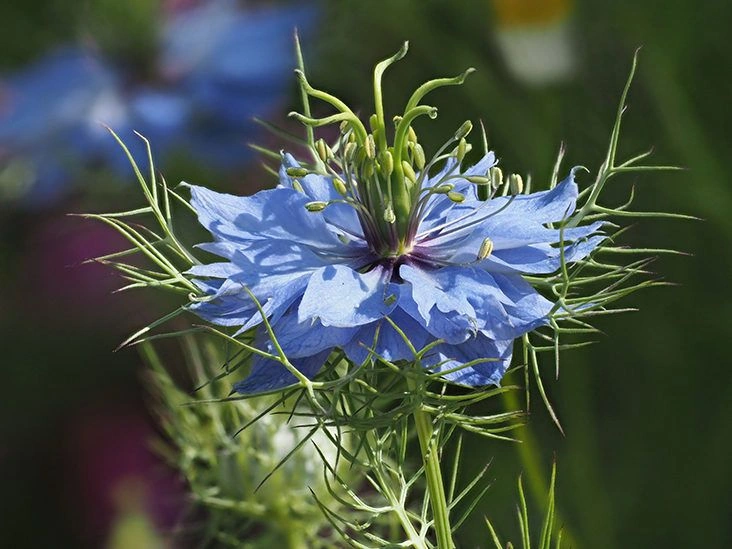
Black seed oil is derived from the plant Nigella sativa. It may be applied to the skin or taken as an oral supplement. Nigella sativa (N. sativa) is a small flowering herb native to Southwest Asia, the Middle East, Southern Europe, and North Africa. The plant produces fruit that contains tiny black seeds. Often called simply black seed, N. sativa seeds are known by several other names, including black cumin,…