Lyly

Cognitive Benefits Exercise: Sharper Mind in 6 Months
Hey there! If you’ve ever walked into a meeting feeling a little foggy or tried to recall a name and came up empty, you’re not alone. The good news? A simple, regular workout routine can clear that mental haze faster than you think. Science shows that moving your body does more than tone muscles—it actually rewires your brain. Stick with me for the next few minutes and I’ll break down…

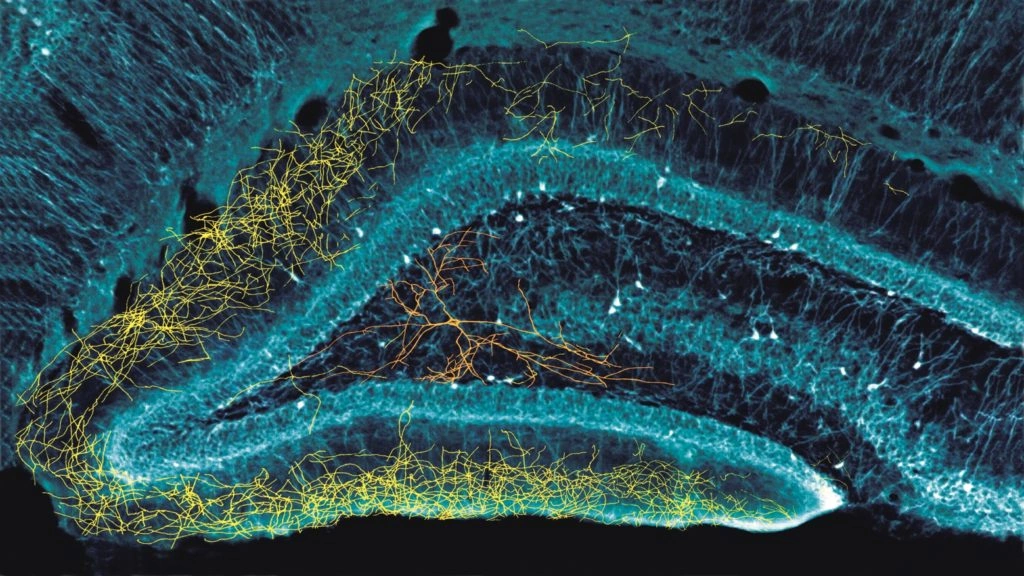
Hippocampus Neurons: Types, Functions & Why They Matter
What are hippocampus neurons? In a nutshell, they’re the eclectic crowd of brain cells that live in the seahorse‑shaped region called the hippocampus. Some fire excitatory signals, others keep the rhythm steady, and a handful even get reborn every single day. Together they weave the memories of your first day of school, the feeling of a loved one’s hug, and the map that lets you find your car in a…

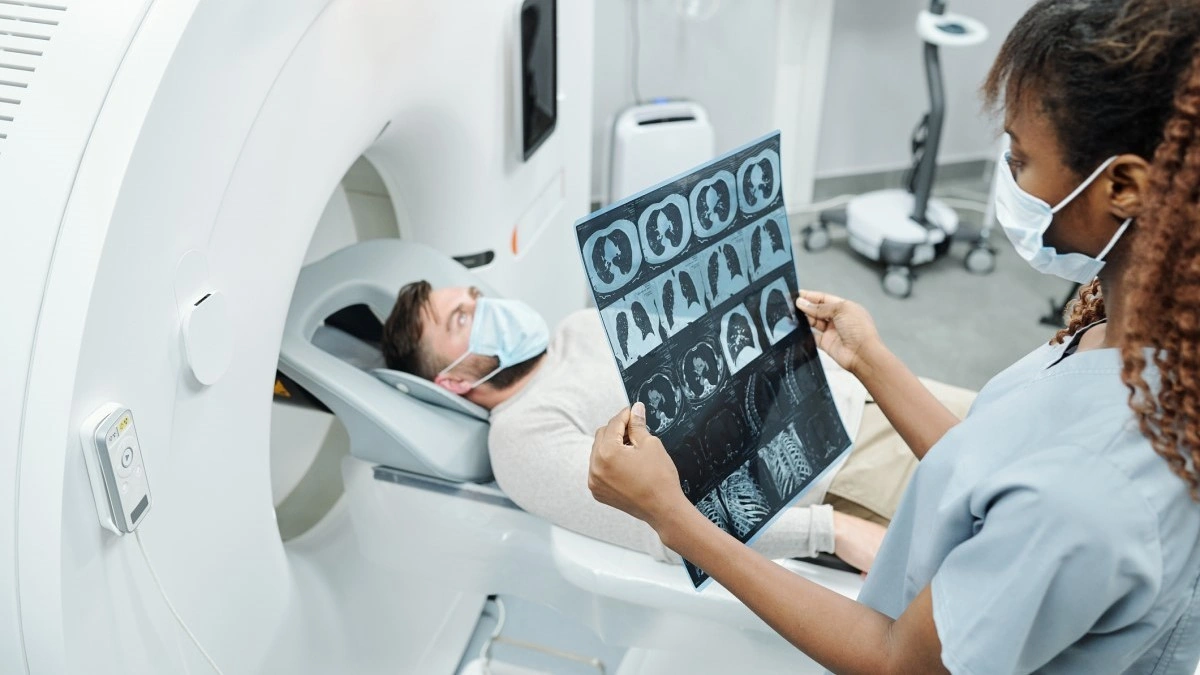
Why the Lung Cancer Test Could Save Your Life Today
If you’ve ever wondered whether a simple test could catch lung cancer before it shows up on a scan, the answer is a resounding yes. A lung cancer test is a screening tool that looks for early signs of disease in people who are at higher risk, giving doctors a chance to act while treatment is still most effective. In the next few minutes we’ll walk through who should consider…
Smoking and Lung Cancer: Risks, Detection & Hope
Ever wonder why a single pack a day can feel like a ticking time‑bomb for your lungs? The short answer is simple: smoking is the single biggest driver of lung cancer, making your odds about 20‑times higher than someone who never lights up. But it’s not just about the numbers—understanding how that risk builds, what you can do right now, and where early detection fits in can turn fear into…

Workout for Dementia: Simple Moves, Big Benefits
Looking for a clear‑cut routine that actually helps keep the brain sharp? Just 30 minutes of movement, five days a week, can lower dementia risk – the Alzheimer’s Association says so, and the science backs it up. Below you’ll find the easiest‑to‑follow workouts, why they work, safety tricks, and how to blend them with everyday life. No jargon, no fluff – just the info you need right now. Why Exercise Helps What…

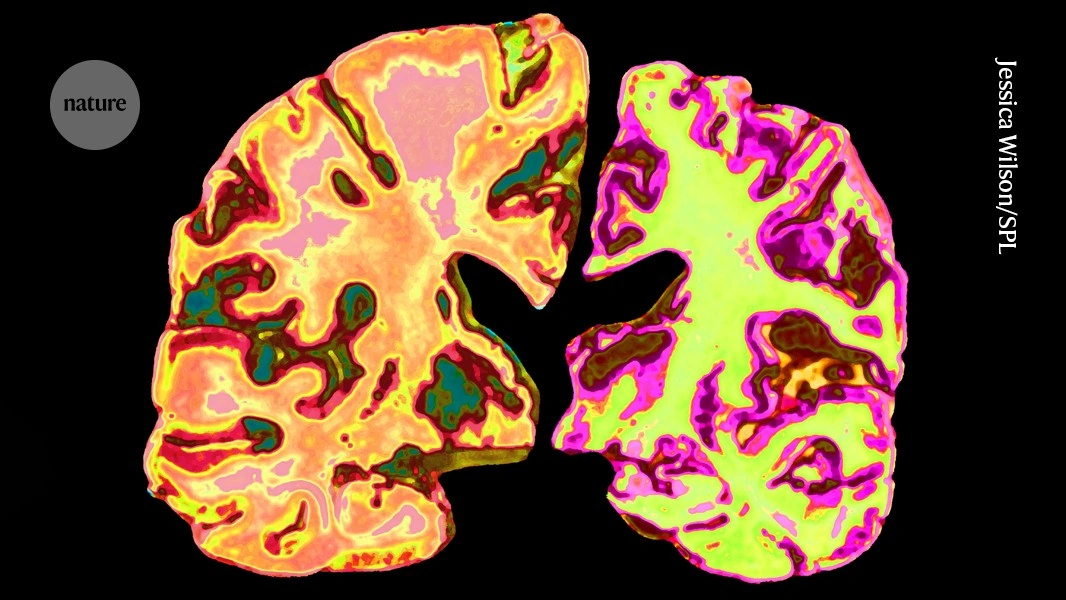
Alzheimer’s Treatment Alternatives: Natural Paths to Hope
Looking for ways to slow or even reverse Alzheimer’s without relying on the usual prescription pills? You’re not alone. Many families are asking the same question, and the good news is that a growing body of research points to several evidence‑based alternatives that can make a real difference. In this article we’ll walk through the most promising options— from movement and nutrition to low‑dose “exercise‑mimic” drugs— so you can decide…

Understanding Lung Cancer Risks: What You Need to Know
Did you know that up to 90 % of lung‑cancer cases are linked to preventable exposures, yet many people still think they’re safe if they never smoked? Below you’ll get the straight‑forward facts on the biggest risk factors, how early detection works, and practical steps you can take today to protect yourself. Core Risk Factors When we talk about lung cancer risks, the first thing that comes to mind is smoking.…

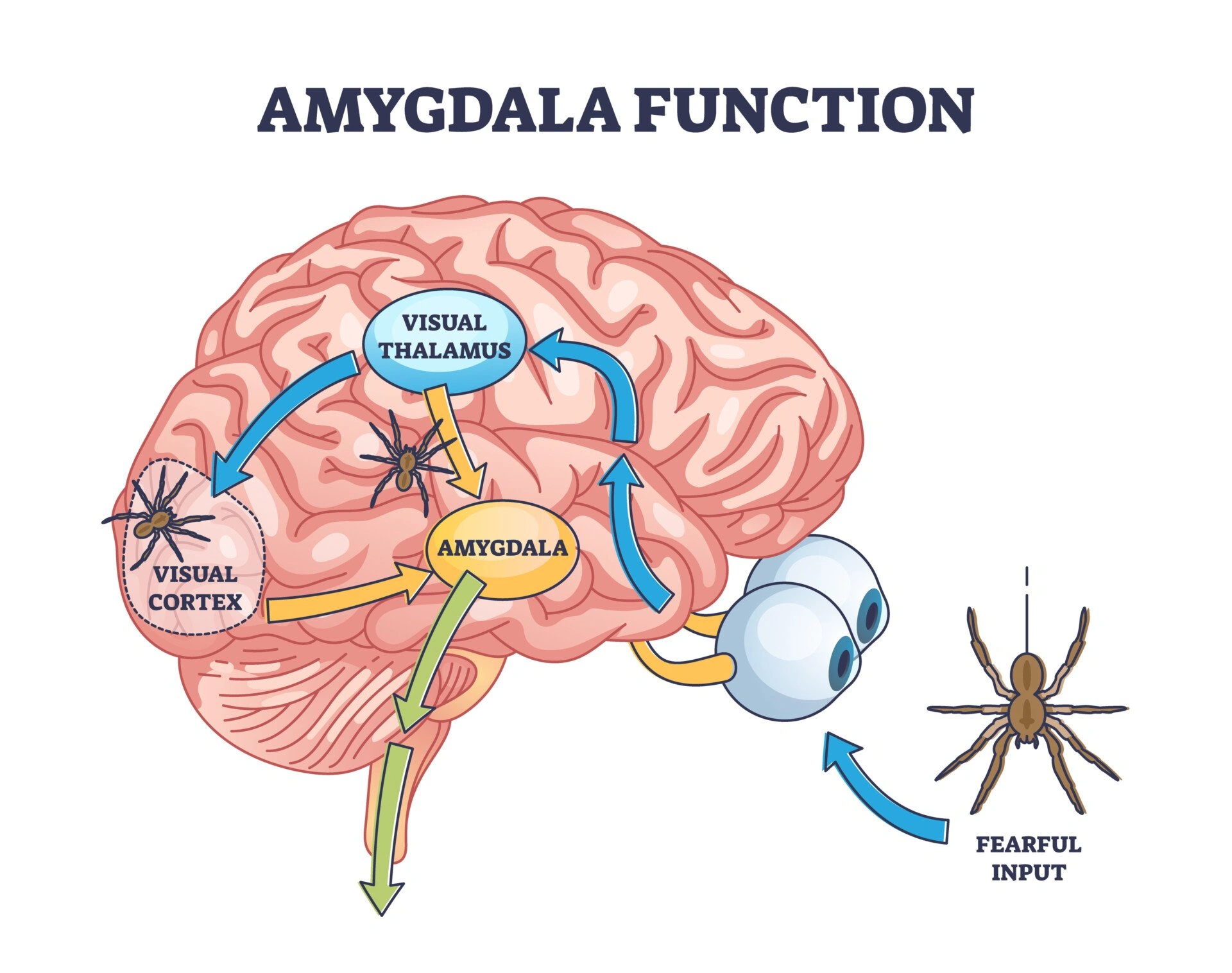
Amygdala Neurons: How They Drive Feelings & Actions
Imagine your brain as a bustling city. The amygdala is the neighborhood watch – a compact but critical district that decides whether the traffic lights turn green for fight, flight, or a friendly wave. The tiny workers that run this watch are the amygdala neurons. In the next few minutes you’ll meet the different crews, learn why they matter to your everyday mood, and see how the newest science could…

Exercise Mimic Drugs: Can a Pill Replace Real Workouts?
Hey there! If you’ve ever dreamed of swapping sweaty gym sessions for a tiny tablet, you’re not alone. Scientists have been tinkering with “exercise mimic drugs” for years, hoping to capture the magic of a good run in a pill. In this post we’ll unpack what these compounds actually are, how they work, who might benefit, and why—spoiler alert—a pill can’t fully replace the joy (and the science) of moving…

Cancer Screening Benefits: Early Detection Saves Lives
Let’s cut to the chase: getting screened for cancer can catch a tumor before it’s even whispering to your body, giving doctors a real shot at treating—or even curing—it. That’s the magic of early detection, and it can shave years off the cost of treatment while sparing you from a lot of worry. But there’s a flip side, too. No test is perfect, and false alarms or over‑diagnosis can happen.…