

Some people suggest that supplements like magnesium, MCT oil, and omega-3 fatty acids might offer advantages when following a ketogenic diet. However, additional research is necessary to confirm many of these assertions.
The ketogenic (keto) diet is a high-fat, very low-carbohydrate eating approach that continues to gain traction.
Some studies indicate a keto eating pattern may help manage conditions such as diabetes, heart disease, and obesity. Yet because the keto diet excludes many food groups, it can increase the likelihood of nutrient shortfalls.
Using certain dietary supplements might help ensure adequate nutrient intake, reduce the severity of the “keto flu,” and even support performance when training on a low-carb plan.
Below are some of the most useful supplements to consider while following a keto diet.
A note on taking supplements with the keto diet
Some people claim particular supplements can amplify the health outcomes of the keto diet, but scientific backing for many of these claims is limited.
The Food and Drug Administration (FDA) does not oversee the quality and safety of dietary supplements as strictly as prescription drugs.
Consequently, supplement makers may make assertions that aren’t fully accurate, and product ingredient lists or dosages may be unreliable. This means a supplement could be ineffective, unsafe, or both.
Talk with a healthcare professional before beginning any new supplement to reduce the risk of adverse effects or interactions with medications.
1. Magnesium
Magnesium is a mineral that supports energy production, helps regulate blood sugar, and contributes to immune function.
Evidence shows people on keto diets often consume less magnesium than recommended because many magnesium-rich foods—beans, fruits, nuts, and seeds—are relatively high in carbs.
Magnesium supplements can be useful for those on a ketogenic eating plan, but consult a healthcare provider before starting any new supplement.
Some reports suggest magnesium supplementation may ease symptoms commonly experienced during the transition to ketosis, such as muscle cramps, sleep disturbance, and irritability—often referred to as the “keto flu.”
Here are keto-friendly foods that can help boost magnesium:
- yogurt
- salmon
- halibut
- chicken breast
- avocado
- chia seeds
- pumpkin seeds
- spinach
2. MCT Oil
Medium-chain triglycerides (MCTs) are fats with shorter carbon chains than long-chain triglycerides (LCTs). They contain fewer calories per gram and are quickly metabolized for use as fuel by the brain and muscles.
MCTs occur naturally in foods like coconut oil, cow’s milk, and palm kernel oil. MCT oil is produced by isolating these MCTs from coconut or palm oil, providing a more concentrated source that can be advantageous for people on keto.
The goal of keto is to achieve ketosis, a metabolic state where the body primarily burns fat for energy rather than carbohydrates. This is typically accomplished by dramatically reducing carb intake.
Some research indicates MCTs may help support ketosis because they can rapidly increase fat intake, raising ketone production and aiding in maintaining ketosis.
MCT supplementation has also been linked to weight management benefits, such as increasing satiety, which can be helpful if you’re using keto for weight control.
MCT oil can be mixed into shakes and smoothies or taken directly by the spoonful to add quick dietary fat. Begin with a small amount (about 1 teaspoon or 5 mL) to assess tolerance, then follow the dosage suggestions on the label.
Some people experience side effects from MCT oil, including diarrhea and nausea.
3. Omega-3 fatty acids
Omega-3 supplements, such as fish oil or krill oil, are high in the long-chain fatty acids eicosapentaenoic acid (EPA) and docosahexaenoic acid (DHA).
EPA and DHA may reduce inflammation, lower cardiovascular risk, and help protect against age-related cognitive decline.
Some animal studies suggest fish oil could be especially helpful for people on high-fat diets by helping regulate cholesterol, fat metabolism, and inflammation associated with such eating patterns.
A 2015 study reported that people on a ketogenic diet who took omega-3s from krill oil saw larger reductions in triglycerides, insulin, and inflammatory markers compared with those who didn’t supplement.
If you use blood thinners, consult your physician before taking omega-3 supplements, as they can increase bleeding risk by further thinning the blood.
4. Vitamin D
Vitamin D plays a role in many bodily processes, including:
- immune support
- cell growth regulation
- bone health maintenance
- reducing inflammation
It also aids calcium absorption, a nutrient that might be limited on a keto regimen.
The keto diet itself doesn’t necessarily increase the risk of vitamin D deficiency. In fact, weight loss resulting from keto may raise vitamin D levels.
Nevertheless, because vitamin D deficiency is relatively widespread, supplementing can be a sensible precaution.
A healthcare provider can check blood levels and advise an appropriate vitamin D dose tailored to your needs.
5. Digestive enzymes
Switching from a lower-fat diet to a high-fat ketogenic one can trigger gastrointestinal issues—constipation, bloating, nausea, and diarrhea—especially if your body isn’t used to digesting more fat.
Also, while keto is typically moderate in protein, the amount consumed may still exceed what some people are accustomed to, which can lead to digestive discomfort.
Digestive enzyme supplements can aid in breaking down macronutrients. Look for blends that include lipases (to digest fats) and proteases (to digest proteins) to help optimize digestion while on keto.
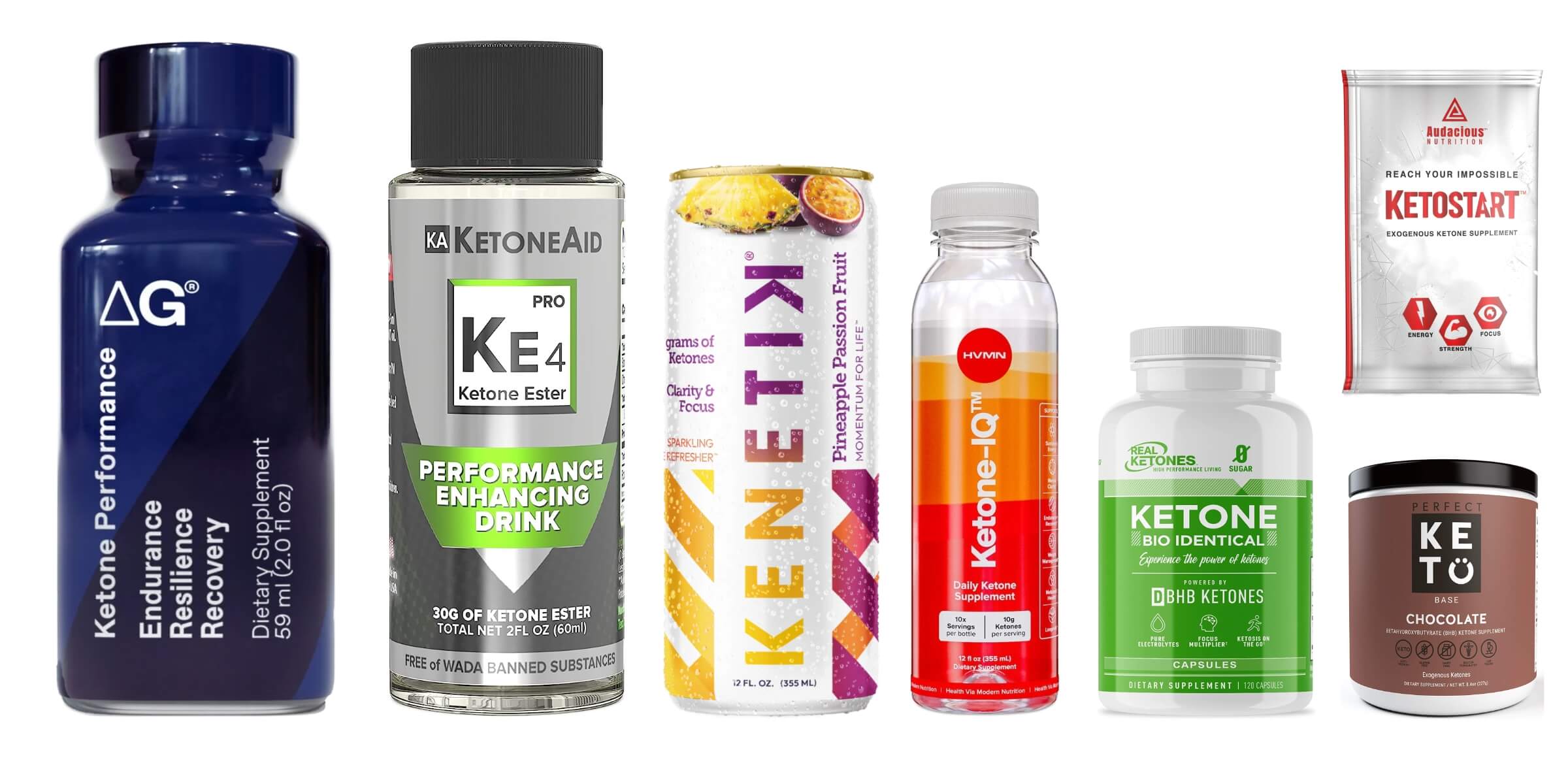
6. Exogenous ketones
Exogenous ketones come from outside the body, while endogenous ketones are produced internally during ketogenesis.
Supplementing with exogenous ketones may raise blood ketone levels and potentially help you enter ketosis more quickly. These supplements may be helpful for people easing into a ketogenic diet.
However, evidence on exogenous ketones is limited, and they are generally not required for most keto followers.
Moreover, many studies use potent ketone esters rather than ketone salts—the latter being the more common form sold to consumers.
Some individuals may find benefit from these products, but more research is needed to fully understand their advantages and risks.
While not every keto follower lacks vegetables in their diet, the eating plan can make it harder to consume a wide variety of plant foods.
If you struggle to include enough low-carb vegetables, consider a greens powder. These supplements typically contain powdered greens such as:
- spinach
- spirulina
- chlorella
- kale
- broccoli
- wheatgrass
Greens powders can be mixed into drinks and smoothies but shouldn’t replace whole vegetables. A registered dietitian can help you add more low-carb veggies to your keto meal plan.
8. Electrolyte supplements
Maintaining proper hydration and adequate electrolytes is essential on keto, particularly to minimize keto flu symptoms during the initial transition.
The early weeks of keto can be tough as the body adapts to very low carbohydrate intake.
Shifting to ketosis often leads to greater water loss, which can deplete key minerals like sodium, potassium, and magnesium.
People who perform high-intensity activities may lose more fluids and electrolytes through sweat.
Eating electrolyte-rich foods that provide sodium and potassium is the best way to maintain balance, and some electrolyte beverages can also help.
Consider electrolyte supplements if you have trouble meeting your needs through food and fluids alone.
9. Supplements to boost athletic performance
The International Society of Sports Nutrition (ISSN) notes that a ketogenic diet may negatively affect exercise performance for some athletes.
Certain supplements have evidence supporting their use to help sustain athletic performance:
- creatine monohydrate
- caffeine
- L-arginine
- beta-alanine
- branched-chain amino acids (BCAAs)
- beta-hydroxy beta-methylbutyrate (HMB)
Before taking performance supplements, consult a healthcare professional—especially if you are pregnant, have medical conditions, or take medications.
The bottom line
The ketogenic diet may provide several health advantages.
Specific supplements can ease the transition to keto and help lessen keto flu symptoms.
Additionally, many supplements can improve the nutritional completeness of a ketogenic meal plan and may boost athletic performance.
Using these supplements appropriately can help optimize nutrition and support wellbeing while following a keto diet.























Leave a Reply
You must be logged in to post a comment.