Your Guide to Inner Cheek Cancer and Its Treatment


Noticing a Black spot inside cheek no pain can be concerning, especially when you’re unsure what it means. While many dark or painless spots inside the mouth are harmless, persistent or unusual changes in the inner cheek should never be ignored. In some cases, subtle oral changes may be linked to conditions such as inner cheek cancer.

Because early signs of oral cancer can be difficult to detect on your own, routine dental checkups play a vital role in monitoring overall oral health. Dentists are often the first to identify suspicious lesions or discoloration inside the mouth.
Inner cheek cancer, medically known as buccal mucosa cancer, is a rare form of oral cancer. It typically begins in the thin epithelial cells lining the inside of the cheeks. Surgical removal of the tumor is the most common treatment approach, particularly when the condition is diagnosed early.
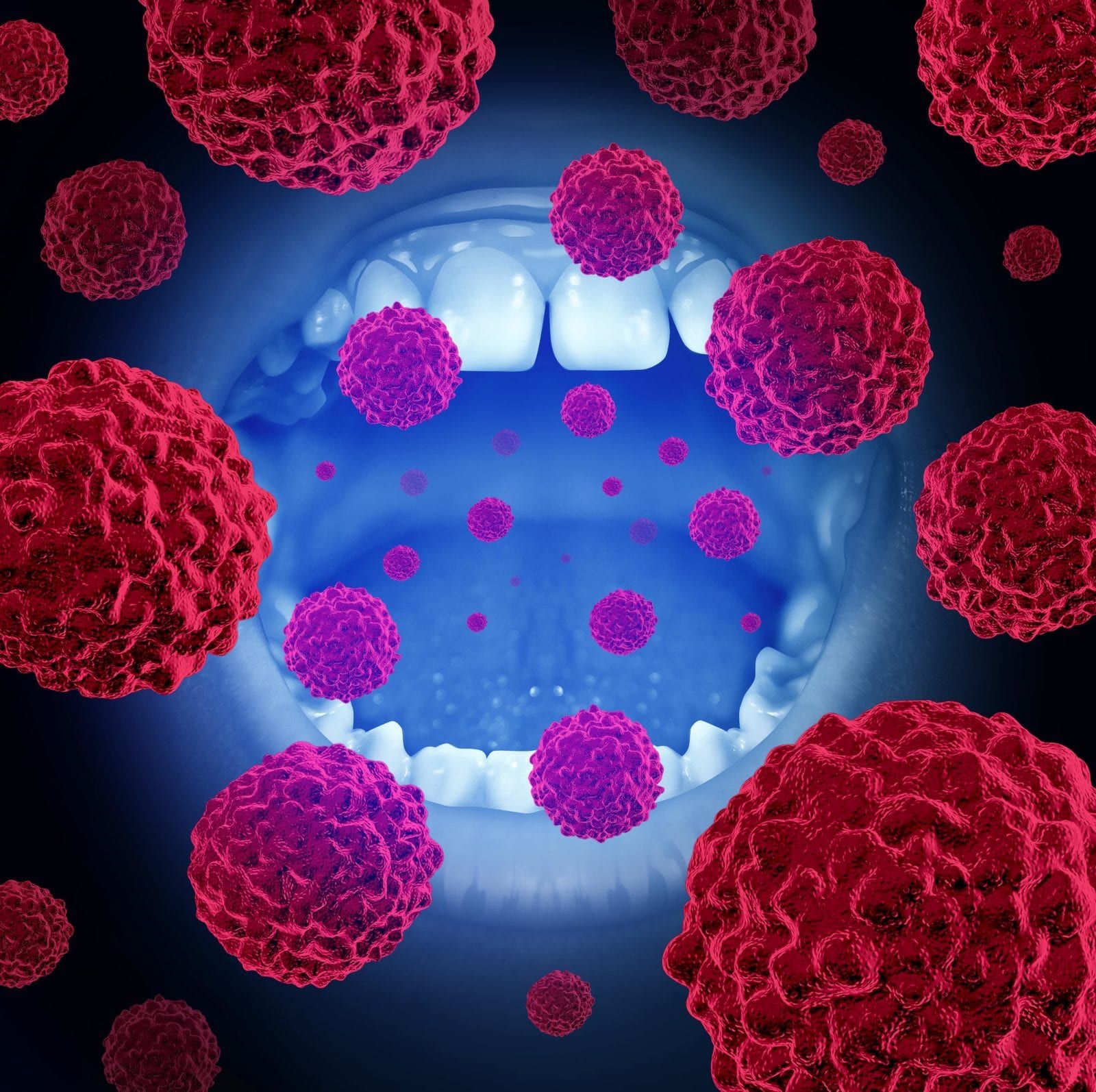
Read on to better understand the symptoms, causes, available treatments, and survival outlook associated with this condition.
Symptoms of inner cheek cancer
Like many types of oral cancer, inner cheek cancer often does not produce noticeable symptoms in its early stages. This is why painless changes—such as a Black spot inside cheek no pain—can sometimes go unnoticed or be mistaken for minor pigmentation. However, as the disease progresses, more defined symptoms may appear.
When symptoms develop in later stages, they may include:
- pain when eating and drinking
- a white or red lump in your mouth that lasts at least 2 weeks
- a patch in your mouth that bleeds easily
- a sore throat
- the feeling that something is stuck in your throat
- difficulty chewing
- difficulty swallowing
- ear pain
- a change to how dentures fit
- jaw swelling
- numbness of the tongue
It’s important to remember that not every dark or discolored area is cancerous. Some people notice a Tiny black dot inside cheek that turns out to be benign pigmentation, a small blood blister, or another noncancerous oral condition. Reviewing Painless black spot inside cheek pictures can help you understand how different oral lesions may appear, but a clinical examination is always the most reliable way to determine the cause.
How do you check for cheek cancer?
It is often difficult to identify inner cheek cancer yourself, especially in the early stages when discomfort may be absent. A painless discoloration or subtle tissue thickening can easily be overlooked without professional training.
Dentists routinely perform thorough oral examinations, carefully inspecting the inner cheeks, tongue, gums, and throat. Regular dental appointments significantly increase the likelihood that any abnormal tissue changes will be detected early, when treatment tends to be more effective.
Causes of inner cheek cancer
Inner cheek cancer is strongly linked to the use of cigarettes, chewing tobacco, cigars, and other tobacco products. It is most frequently diagnosed in males between the ages of 50 and 80 .
However, tobacco exposure is not the only risk factor for inner cheek cancer. Additionalpotentialcauses include :
- heavy alcohol use
- chewing ground betel nut
- difficulties maintaining oral hygiene
- a diet that’s low in nutrition
Chronic irritation of the oral mucosa, long-term inflammation, and poor nutritional status may contribute to cellular changes over time. Additionally, there may be a connection between the human papillomavirus (HPV) and inner cheek cancer. HPV is known to cause several types of cancer. Although it has not been definitively proven to cause inner cheek cancer — or raise the risk for it — researchers are continuing to explore a potential link .
Reducing modifiable risk factors, such as quitting tobacco and limiting alcohol intake, can significantly lower the overall risk of oral cancers. Maintaining proper oral hygiene and attending routine dental visits are also key preventive measures.
Treatment options for inner cheek cancer
When inner cheek cancer is detected at an early stage, surgery is usually the primary treatment. During the procedure, the tumor is excised using a scalpel. For smaller tumors, surgeons may operate through the inside of the cheek, which can help avoid visible external incisions and minimize cosmetic impact.
Additional treatments can include :
- Jaw reconstruction surgery: Larger tumors often require removal through an incision in the cheek. Jaw reconstruction involves using a flap of skin and tissue from another area of the body to rebuild the affected portion of the cheek and restore function.
- Lymph node removal: Inner cheek cancer has the potential to spread to nearby lymph nodes. If this occurs, the affected lymph nodes are surgically removed to reduce the risk of further spread.
- Chemotherapy: Chemotherapy works by destroying cancer cells. It is commonly administered after surgery to decrease the chance of recurrence. In cases where surgery is not feasible, chemotherapy may also be used to slow tumor growth and manage symptoms.
Depending on the stage and specific characteristics of the tumor, a multidisciplinary oncology team may tailor a treatment plan to balance cancer control with quality of life considerations, including speech, chewing, and facial appearance.
What is the survival rate for inner cheek cancer?
Survival rates for inner cheek cancer vary based on several important factors. These include the stage at diagnosis, the individual’s age, overall health status, genetic influences, and how well the cancer responds to treatment. Because inner cheek cancer is relatively rare, available statistics may not be as comprehensive as those for more common cancers.
In one study analyzing a group of people with inner cheek cancer, the overall 5-year survival rate was 54.1%. For individuals diagnosed at stage 1, the 5-year survival rate increased to 85.2%. In stage 4, the 5-year survival rate was 42.6%.
Early detection plays a crucial role in improving outcomes. Prompt evaluation of persistent oral changes — including any long-lasting Black spot inside cheek no pain — can lead to earlier diagnosis and more effective treatment. Your doctor or oncology team can provide personalized information about your prognosis based on your specific medical situation.
Finding support
A cancer diagnosis can feel overwhelming and emotionally taxing. Accessing reliable information and connecting with supportive communities can make a meaningful difference during treatment and recovery. Individuals diagnosed with inner cheek cancer may consider the following organizations:
- Support for People with Oral and Head and Neck Cancer (SPOHNC): SPOHNC has chapters nationwide that offer peer support, educational materials, and connections to medical resources. Their website also provides information about clinical trials.
- The Oral Cancer Foundation: The Oral Cancer Foundation offers assistance with navigating insurance, locating financial aid, and finding specialized healthcare providers.
- Head and Neck Cancer Alliance: The Head and Neck Cancer Alliance hosts an online forum where individuals can share experiences, ask questions, and receive encouragement from others facing similar challenges.
Takeaway
Inner cheek cancer is an uncommon type of oral cancer that frequently produces no noticeable symptoms in its early stages. Subtle signs, including a persistent Black spot inside cheek no pain, should be evaluated by a dental or medical professional, particularly if they do not resolve within two weeks.
Treatment most often involves surgical removal of the tumor, and chemotherapy may also be recommended depending on the stage and spread of the disease. Survival outcomes depend largely on early detection and individual health factors. Staying attentive to changes in your oral cavity and maintaining regular dental visits are essential steps in protecting your long-term oral and overall health.
Important Questions
A painless black spot inside the cheek can be harmless pigmentation or a benign condition, but it can also be an early sign of inner cheek cancer (buccal mucosa cancer), especially if it persists for more than two weeks.
Diagnosis typically begins with a clinical examination by a dentist or doctor. They may perform a visual and physical check of the mouth and, if a lesion is suspicious, recommend a biopsy to analyze the tissue for cancerous cells.
The primary risk factors include tobacco use (smoking or chewing), heavy alcohol consumption, chewing betel nut, poor oral hygiene, and a diet low in nutrition. HPV may also be a potential contributing factor.
Surgical removal of the tumor is the most common primary treatment. Additional treatments can include jaw reconstruction surgery, removal of affected lymph nodes, and chemotherapy, depending on the cancer’s stage and spread.
Survival rates vary significantly with the stage at diagnosis. The overall 5-year survival rate is approximately 54%, but this can rise to over 85% when the cancer is detected and treated at an early stage.





Related Posts

Is the Pain in My Tailbone Cancer?
Aug 21, 2026 • 22 min read
Ultrasounds Aren't Typically Used to Detect Cervical Cancer: Learn Why
Aug 31, 2026 • 6 min read
What Is Annatto? Uses, Benefits, and Side Effects
Aug 8, 2026 • 16 min read
Is It Possible to Be ‘Too Wet’? Is This Really a Turn-Off?
Sep 16, 2026 • 35 min read
Olives 101: Nutrition Facts and Health Benefits
Aug 26, 2026 • 6 min read