Cancer
Browse articles on cancer, covering prevention, treatment options, and support for those affected. Find valuable insights to help navigate the journey.

Smoking and Lung Cancer: Risks, Detection & Hope
Ever wonder why a single pack a day can feel like a ticking time‑bomb for your lungs? The short answer is simple: smoking is the single biggest driver of lung cancer, making your odds about 20‑times higher than someone who never lights up. But it’s not just about the numbers—understanding how that risk builds, what you can do right now, and where early detection fits in can turn fear into…

Understanding Lung Cancer Risks: What You Need to Know
Did you know that up to 90 % of lung‑cancer cases are linked to preventable exposures, yet many people still think they’re safe if they never smoked? Below you’ll get the straight‑forward facts on the biggest risk factors, how early detection works, and practical steps you can take today to protect yourself. Core Risk Factors When we talk about lung cancer risks, the first thing that comes to mind is smoking.…

Cancer Screening Benefits: Early Detection Saves Lives
Let’s cut to the chase: getting screened for cancer can catch a tumor before it’s even whispering to your body, giving doctors a real shot at treating—or even curing—it. That’s the magic of early detection, and it can shave years off the cost of treatment while sparing you from a lot of worry. But there’s a flip side, too. No test is perfect, and false alarms or over‑diagnosis can happen.…

Quit Smoking Screening: Your Path to Health & Freedom
Imagine walking into a doctor’s office for a lung‑cancer check and walking out with a solid plan that finally tips the scales in favor of quitting smoking. That’s what a quit smoking screening does – it combines a life‑saving lung scan with the tools you need to put out that last cigarette for good. In the next few minutes, let’s unpack how this works, why it matters, and what you…

Early Lung Cancer Detection: What You Need to Know
Hey there, friend. If you’ve ever stared at a medical article and felt a wave of overwhelm, you’re not alone. The term “early lung cancer detection” can sound like a mouthful, but the idea behind it is simple: catch a problem when it’s still tiny enough to treat easily. In the next few minutes we’ll walk through why it matters, who should think about it, what tools are available, and…

Why Neoadjuvant Chemotherapy Resistance Matters to You
Imagine you’re gearing up for a big life change—maybe a new job, a house move, or a marathon—and suddenly the odds stack against you. That’s what it feels like when a tumor decides to ignore the powerful drugs we give it before surgery. In plain terms, neoadjuvant chemotherapy resistance means the cancer isn’t shrinking like doctors expect during the pre‑surgical chemo phase. The result? Lower chances of cure, more aggressive…

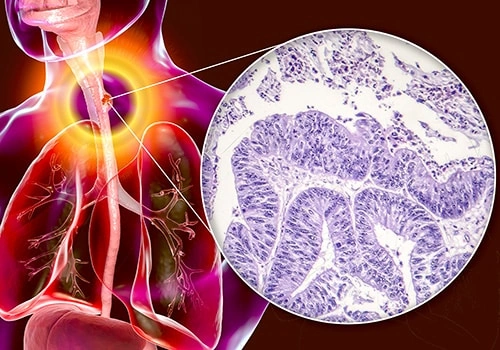
Esophageal Adenocarcinoma Treatment: What to Expect
If you’ve just heard the words “esophageal adenocarcinoma” for the first time, your brain is probably buzzing with questions, worries, and maybe even a little hope that there’s a clear road ahead. I get it—being faced with a cancer diagnosis feels like stepping into a foggy forest without a map. That’s why I’m writing this as a friend who’s spent a lot of time listening to patients, reading the latest…

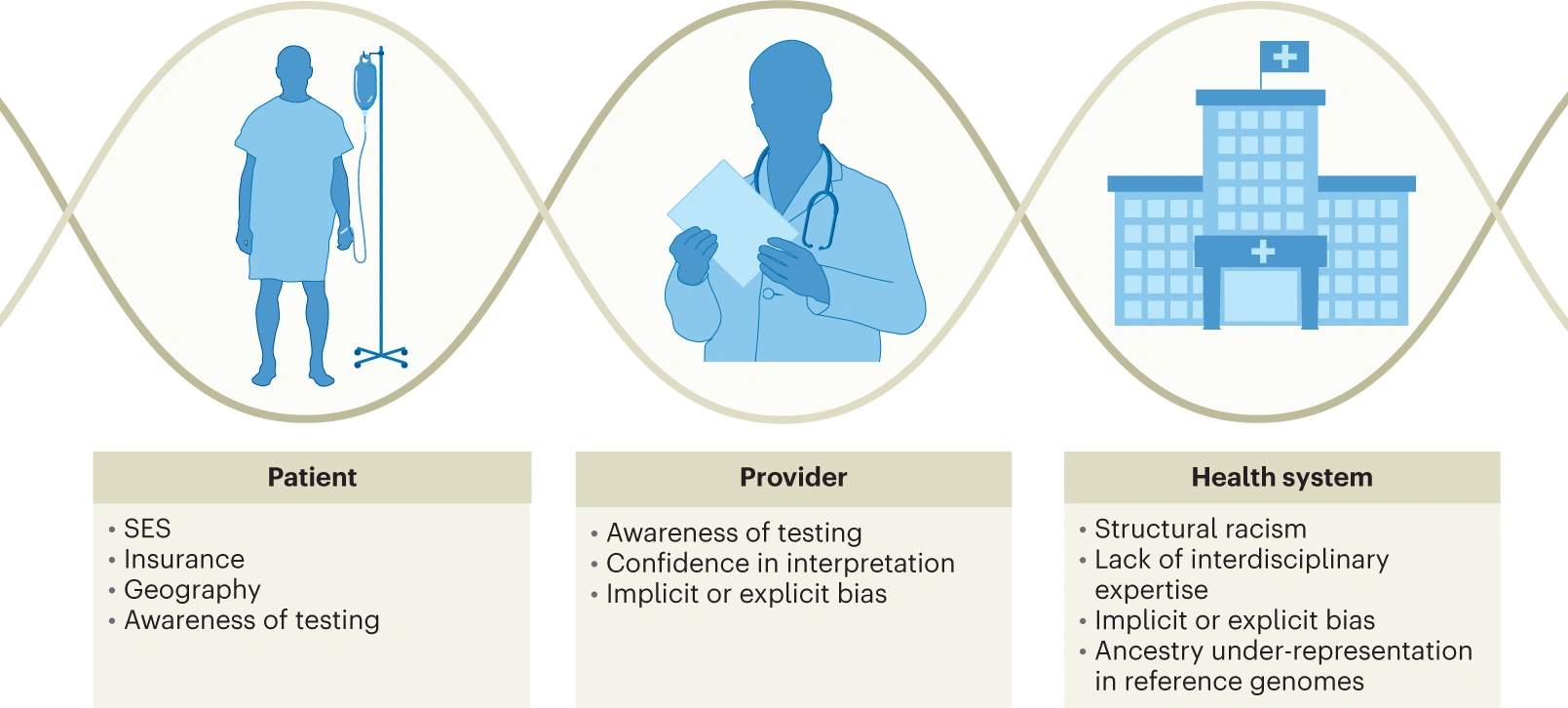
How a Precision Oncology Platform Transforms Cancer Care
Imagine you could look at a tumor the way you read a weather forecast—seeing exactly where the storm is coming from and picking the perfect umbrella before the rain hits. That’s essentially what a precision oncology platform does for cancer patients. Skip the guesswork, cut down the “trial‑and‑error” cycles, and give doctors a data‑driven compass that points straight to the most effective therapy. If you’ve ever wondered why some chemo…

Chemotherapy Response: How to Predict Success
Imagine sitting across from your oncologist, hearing the word “response” and wondering exactly what it means for you. Will the treatment shrink the tumor? Will it spare you from extra surgeries? Will it keep side‑effects manageable? The good news is that doctors have a toolbox full of ways to gauge how well chemotherapy is working, and science is getting better at forecasting the outcome before the first dose even lands.…

Cancer Treatment Outcomes: What You Need to Know Today
When you hear the words “cancer treatment outcomes,” you might picture a jumble of statistics and medical jargon. In reality, they’re simple ideas that tell us how long people live, how well they feel, and what the road ahead might look like after therapy. Knowing these outcomes helps you ask the right questions, weigh the benefits and risks, and feel more in control of your journey. Below, I’ll walk you…