Cancer
Browse articles on cancer, covering prevention, treatment options, and support for those affected. Find valuable insights to help navigate the journey.

Gallbladder Cancer vs Cholangiocarcinoma: Key Facts
Hey there, friend. If you’ve ever Googled “gallbladder cancer vs cholangiocarcinoma” you probably felt a wave of confusion – two scary‑looking names, a lot of medical jargon, and the worry that you might mix them up. Let me give you a straight‑up, human‑to‑human rundown of what these cancers really are, why they matter, and what you can do if you or someone you love faces a diagnosis. I promise to…

Votrient Interactions – What You Need to Know Today
Hey there, friend. If you’re reading this, chances are you—or someone you care about—are taking Votrient (pazopanib) and you’ve started wondering, “What could this drug possibly get into a tussle with?” The short answer is: a lot. Hundreds of medicines, one stubborn food, and a handful of supplements can change how Votrient works, for better or worse. Below you’ll find a friendly, no‑jargon rundown that gets straight to the point,…
Breast Cancer Periods: Why Your Cycle May Change
Hey there, friend. If you’ve just heard a breast‑cancer diagnosis and then notice your period acting like a surprise guest, you’re probably thinking, “What on earth is happening to my body?” You’re not alone. Many women experience irregular periods after a breast‑cancer diagnosis, and the good news is that there are clear reasons behind those changes and steps you can take to stay in control. In the next few minutes,…
Monoclonal Antibodies: What They Are and Why It Matters
Imagine your immune system as an elite squad of detectives, each trained to spot a specific villain. Monoclonal antibodies (or mAbs) are like bespoke detectives that scientists hand‑craft in the lab—identical copies that hunt down one particular target, whether it’s a rogue cancer cell, an over‑active immune protein, or a sneaky virus. Why should you care? Because these engineered proteins are the backbone of many of the most precise treatments available today.…

utDNA testing: How It Works & Why It Matters Today
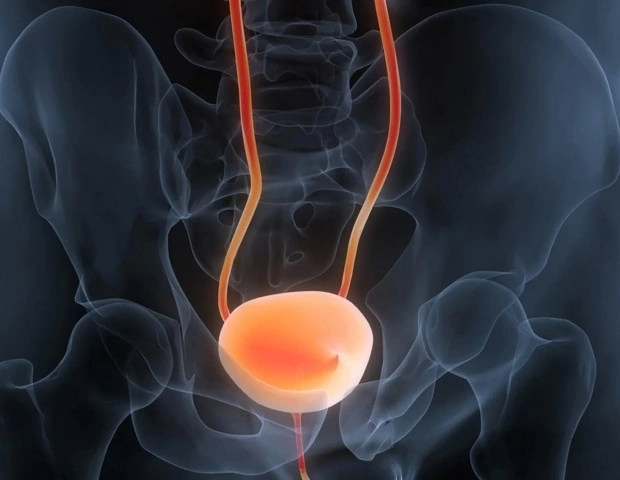
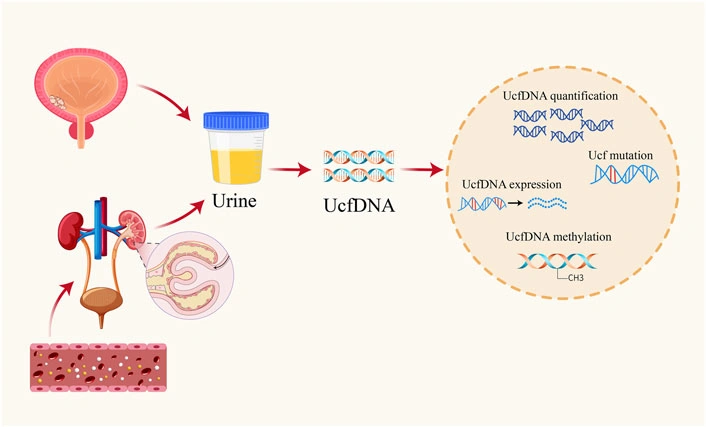
Imagine being able to check the health of your bladder just by peeing into a cup. No needles, no uncomfortable cystoscopies—just a simple urine sample that can tell doctors whether cancer is lurking, coming back, or responding to treatment. That’s the promise of urine tumor DNA testing, or utDNA testing for short. In the next few minutes we’ll walk through what utDNA actually is, why it’s becoming a game‑changer for…

Personalized Cancer Therapy: Changing Treatment Now
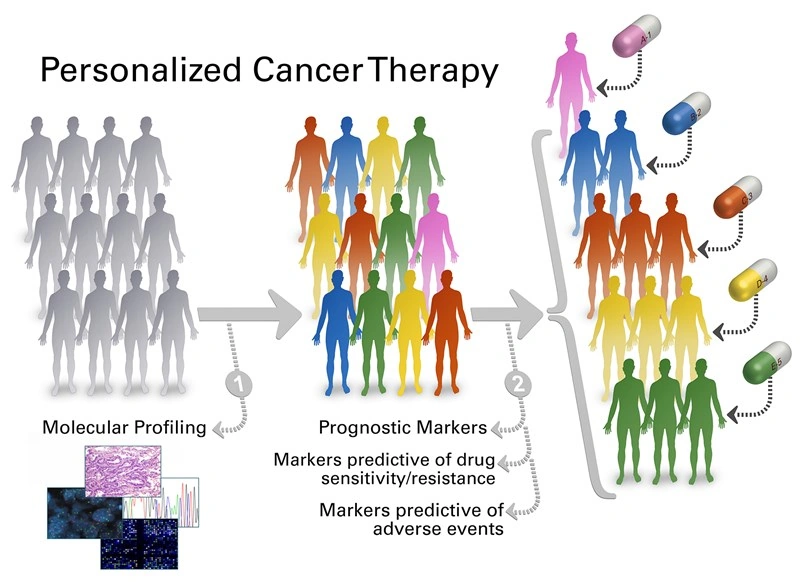
Most people think cancer treatment is a one‑size‑fits‑all prescription, but the reality is far more nuanced. Personalized cancer therapy tailors drugs to the unique genetic and molecular makeup of your tumor, aiming to hit the cancer where it’s vulnerable while sparing healthy cells. In the next few minutes you’ll discover how this approach works, why it’s exciting (and sometimes tricky), and how cutting‑edge tools like urine tumor DNA testing are…

How to Master Shrinking Lung Tumors: A Friendly Guide
Hey there, friend. If you’ve just heard that your doctor mentioned “shrinking lung tumors,” you’re probably feeling a mix of hope, anxiety, and a flood of questions. What does it actually mean? How fast can you expect a tumor to get smaller? Which treatments give the best chance of a noticeable reduction? Let’s sit down together (virtually, of course) and walk through the answers, step by step. I’ll keep the…
Stage III NSCLC Treatment: Hope, Options, and Guidance
Hey there. If you’ve landed on this page you’re probably trying to untangle a complex web of medical jargon, appointment schedules, and a flood of emotions that come with a stage III non‑small‑cell lung cancer (NSCLC) diagnosis. Let’s skip the textbook pre‑amble and jump straight into the stuff that matters to you: What can be done, why it matters, and how you can take an active role in the journey ahead.…

Predict & Prevent Bladder Cancer Recurrence Now
Most people don’t realize that a simple urine test can flag the risk of bladder cancer coming back before a scan even shows it. Below you’ll learn what the test is, why it matters after immunotherapy, and what you can do today to lower your odds of another tumor. Imagine you’ve just finished a tough round of bladder cancer treatment. You’re relieved, but a lingering “what‑if” keeps nudging at the…

urine tumor DNA: Unlock Smarter Bladder Cancer Care
Quick Answer Overview In a nutshell, urine tumor DNA (utDNA) is tiny fragments of genetic material that cancer cells shed into your urine. By sequencing these fragments you can spot the mutations that drive bladder cancer, gauge how aggressive the disease is, and even predict if it will come back after treatment. The best part? It’s a simple, non‑invasive test that you can do at home, sparing you the discomfort…