Oral Health
Oral Health offers guidance on brushing, flossing, and preventing dental issues to help maintain healthy teeth and gums for a brighter smile.

What Happens During Your Professional Dental Cleaning
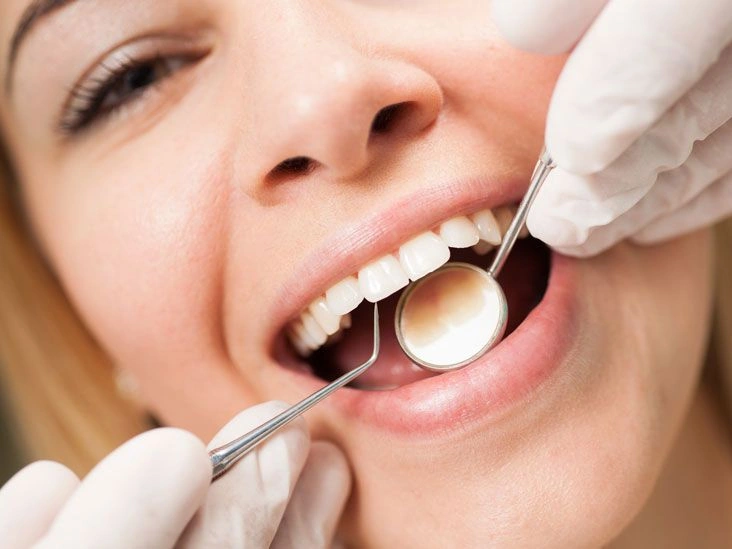
Overview Many people feel uneasy about professional dental cleanings. Between the poking, unfamiliar sounds, and occasional jaw soreness, it’s understandable why some are anxious. For most patients, however, a cleaning is straightforward and comfortable. Being familiar with each step of the appointment can reduce anxiety and help you appreciate the clean, fresh outcome. (img by Kiefer Family Dental) 1. A physical exam The majority of cleanings are carried out by…
Remedies for Wisdom Teeth Pain Relief
If your wisdom teeth are impacted, both home treatments and medical care can ease discomfort. In certain situations, surgical extraction may be necessary to remove the wisdom teeth. (img by Advanced Dental Clinic) Wisdom teeth are a third set of molars located at the very rear of the mouth. Typically between ages 17 and 25, these teeth begin to push up through the jawbone as they try to emerge through…

What You Need to Know About Pacifiers and Dental Problems
Many caregivers find pacifiers — also called pacis, binkies, or dummies depending on your region — to be a godsend. Besides helping infants calm themselves, they’re a handy fix for little ones who constantly want to suck on something. That said, prolonged pacifier use can sometimes lead to dental concerns. Knowing how these soothing aids may affect oral development can help families prevent what’s commonly referred to as “pacifier teeth.”…
What to Know Before You Get a Retainer
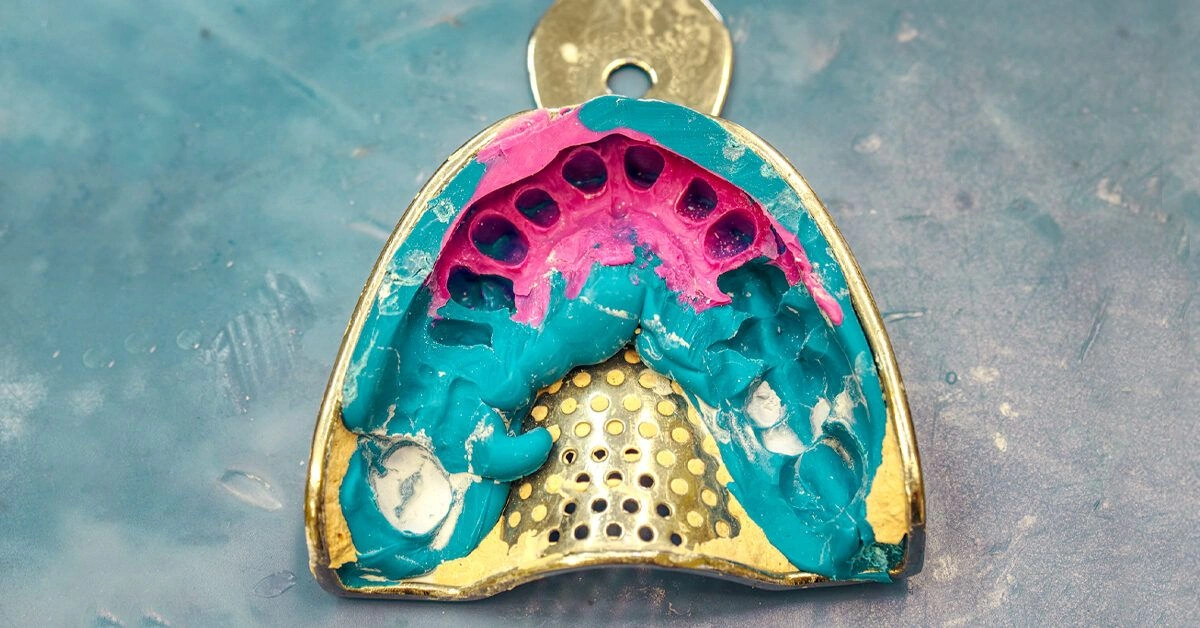
Overview Retainers generally fall into two categories: removable and permanent. Your orthodontist will advise which option suits you best based on the reason you had braces and any unique dental concerns. Some people receive just one kind, while others may be fitted with a removable retainer for the upper arch and a permanent one for the lower arch. A retainer’s role is to hold your teeth in place after they’ve…
Pros and Cons of Permanent Retainers
Permanent or fixed retainers consist of a metal wire bonded to the surfaces of your teeth. Typically the wire is either smooth and solid or braided, and it’s attached and contoured to your bite to prevent teeth from shifting or becoming misaligned. Permanent retainers are commonly advised by orthodontists following braces to stop teeth from drifting back toward their original positions. An orthodontist might also recommend a fixed retainer if…
Why Meth Use Can Cause Mouth Ulcers and How to Treat Them
Mouth ulcers can be a consequence of meth use. While treatment can ease these sores, they may also start to improve after you stop using meth. Methamphetamine — commonly called meth — is a potent stimulant. It triggers your sympathetic nervous system, raising your heart rate and producing a burst of energy. This stimulation can produce a range of short- and long-term effects, from intense euphoria and reduced appetite to…
What It Means If Your Tooth Broke Off and It’s Black Inside
Darkening of the tissue inside a tooth can happen as a result of decay or injury. A fractured tooth needs prompt dental attention. Your teeth are among the toughest parts of your body. Even so, they can still be harmed by bacteria or physical trauma. The tough outermost layer of a tooth is called the enamel. Calcium in the enamel gives it a whitish appearance. Beneath the enamel lies a…
What Is a Full Mouth Debridement?
(Luis Alvarez / Getty Images) Dental appointments are commonly postponed because of other commitments. While this is understandable, it’s not ideal. If you haven’t had a professional cleaning in years, plaque and hardened tartar can accumulate extensively. When that buildup is significant, it becomes difficult for a dentist to properly inspect the hard and soft tissues in your mouth. That can limit their ability to evaluate your dental health fully.…
What’s Better: A Dental Implant or a Bridge?
Tooth loss is very widespread. Research suggests that 69 percent of adults aged 35 to 44 have lost at least one permanent tooth. By the time people reach 74, roughly one in four Americans have lost all their adult teeth. Replacing a lost tooth is important to keep neighboring teeth from shifting. Replacement teeth also help maintain facial contours and prevent problems with chewing or speaking. Two of the most…
Dental Bridge
If you’re missing one or more teeth, a dentist can close the space using a dental bridge. A dental bridge consists of a replacement tooth (pontic) that’s supported by the natural teeth adjacent to the gap. While pontics can be fabricated from several materials such as gold, they are most commonly crafted from porcelain to match the appearance of your natural teeth. Continue reading to find out more. (img by…