Oral Health
Oral Health offers guidance on brushing, flossing, and preventing dental issues to help maintain healthy teeth and gums for a brighter smile.

What You Need to Know About Dental Crowns Made from Zirconia
Zirconia dental crowns provide several advantages — notably toughness and long-lasting performance — but they sometimes don’t blend as naturally with adjacent teeth as porcelain restorations do. A dental crown is a cap placed over a natural tooth or an implant. Dentists commonly recommend crowns to support teeth that are broken, weak, or misshapen. Crowns also conceal teeth that are severely worn or discolored and can be used with bridges…
What’s the Cause of That Dark Spot on Your Tooth?
(Vesna Andjic / Getty Images) Even with diligent brushing and flossing, spots can still appear on your teeth. While many kinds of discoloration aren’t dangerous, a black or dark speck could indicate a more serious problem like dental decay. If your teeth show spots or uneven coloring, you may be curious about the reasons behind them and how to remove those dark areas. (Antlara Dental Clinic) In this piece, we’ll…
What Is Voodoo Flossing, and Should You Try It?
Also referred to as muscle flossing or tissue flossing, voodoo flossing is a compression-based therapy. It employs a durable resistance band—usually latex rubber—to compress a joint or muscle group while moving that area through its full range of motion. Keep reading to find out what it entails, how it works, its advantages and hazards, and who might benefit from using this approach. (img by Rogue Fitness) What is voodoo flossing?…
What Causes Split Lips?
Simple at-home treatments can often resolve cracked or split lips quickly. However, if the problem persists, worsens, or is paired with additional symptoms, it’s important to seek medical care without delay. Your lips are composed of delicate, thin skin that is more sensitive than most other areas of the body. Because of this, they can easily become dry, irritated, and split under certain conditions. If you’re searching for How to…
What Is Angular Cheilitis?
Angular cheilitis is an inflammatory skin condition that leads to red, irritated, and swollen patches at the corners of the mouth. It is often triggered by certain fungal or bacterial infections and generally improves with appropriate treatment. Many people who notice White stuff in corners of mouth when talking may actually be dealing with angular cheilitis. This form of mouth sore develops specifically at the angles of the lips. Also…
Home Remedies for Dry Socket
Gently rinsing your mouth with warm salt water, placing cold compresses on the outside of your cheeks, and using over-the-counter nonsteroidal anti-inflammatory medications such as ibuprofen can help ease discomfort and swelling. However, if you suspect complications after an extraction, you should still consult a dentist or physician, especially to rule out infection or nerve involvement that may require specialized Treatment for nerve damage after tooth extraction. One potential complication…
Is Dizziness a Side Effect of Wisdom Teeth Extraction?
Experiencing dizziness after wisdom teeth removal is relatively common. Many people report feeling lightheaded or unsteady in the hours or days following the procedure. If you’re researching potential complications — including the Symptoms of nerve damage after tooth extraction — it’s helpful to understand that dizziness can arise for several different reasons. Sensations may include spinning (vertigo), imbalance, confusion, or difficulty focusing. Some individuals also notice blurred vision or a…
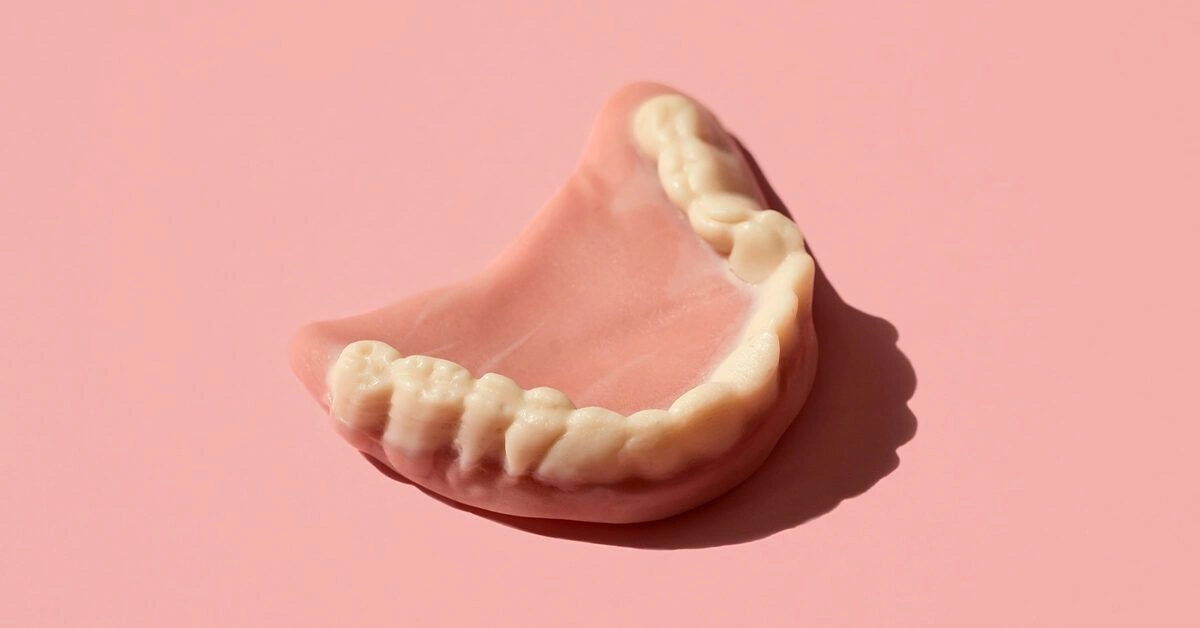
How to Care for Your Dentures
(Juan Moyano/Stocksy United) Partial or full dentures (removable teeth) are a reliable solution for replacing missing teeth and restoring the look of your smile. Beyond aesthetics, dentures support facial structure and improve chewing and speech. To keep them functioning well and looking natural, daily hygiene — including proper use of a Denture adhesive Remover — is essential. These prosthetic teeth are crafted to closely resemble natural teeth and are typically…
Why Are There Ulcers in My Baby’s Mouth?
Babies and toddlers can develop mouth ulcers for a variety of reasons. In many cases, these sores heal on their own within 7 to 14 days. However, medical evaluation may be necessary if the sores are numerous, continue to spread, or your child develops additional symptoms such as a fever. Looking at Toddler mouth sores pictures can sometimes help parents recognize what they’re seeing, but a proper understanding of causes…
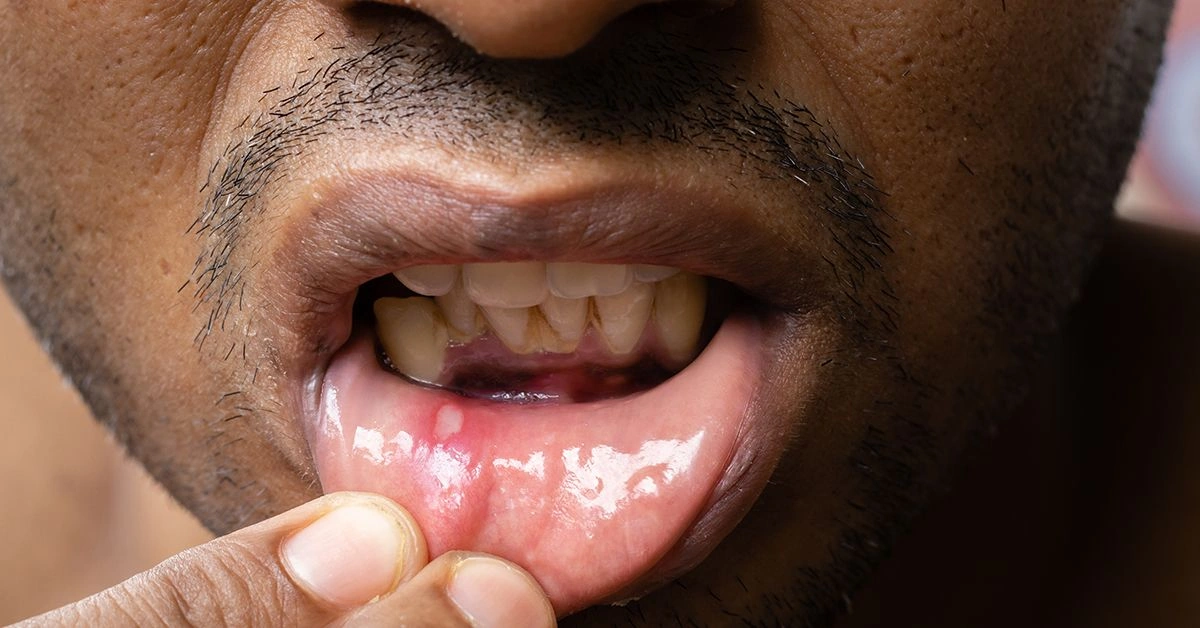
Mouth Sores: Symptoms, Treatment, and Prevention
Mouth sores can develop for many reasons, including infections, minor injuries, and tobacco use. In some cases, reviewing Viral infection in mouth pictures can help you recognize patterns or symptoms. It’s important to seek medical care for certain sores, especially those with white patches or lesions that appear after starting a new medication. Oral sores are very common and affect most individuals at some point in life. These lesions may…