

Gently rinsing your mouth with warm salt water, placing cold compresses on the outside of your cheeks, and using over-the-counter nonsteroidal anti-inflammatory medications such as ibuprofen can help ease discomfort and swelling. However, if you suspect complications after an extraction, you should still consult a dentist or physician, especially to rule out infection or nerve involvement that may require specialized Treatment for nerve damage after tooth extraction.
One potential complication following the removal of a permanent adult tooth is dry socket, also known as alveolar osteitis.
Dry socket develops when the blood clot at the extraction site becomes dislodged, dissolves too early, or fails to form properly before healing begins. Without this protective clot, the underlying bone and nerve endings remain exposed. As a result, food particles and debris can collect in the area, increasing the risk of infection and significant pain.
Symptoms of dry socket include:
- intense pain that may radiate from the socket to the ear, eye, temple, or neck
- an empty-looking socket
- visible bone within the socket
- bad breath or an unpleasant taste in the mouth
While more research is needed to determine the exact causes of dry socket, common contributing factors include:
- bacterial infection
- challenging or complex extractions, such as removal of an impacted wisdom tooth
- trauma at the surgical site
You have a higher risk of developing dry socket if you:
- smoke
- use oral contraceptives
- do not follow proper post-extraction wound care instructions
There are several professional treatments your dentist or oral surgeon may recommend for dry socket. If you are waiting for your appointment, the home remedies below may help reduce pain and discomfort. If you are also experiencing tingling, numbness, or altered sensation, it’s important to review the Symptoms of nerve damage after tooth extraction and seek prompt evaluation, as early intervention improves outcomes.
Warm salt water
Even when prescription medication is provided, your oral surgeon will likely advise rinsing gently with warm salt water multiple times daily. This practice helps remove bacteria, flush out debris, and lower the chance of further infection.
The Mayo Clinic recommends dissolving ½ teaspoon of salt in 8 ounces of warm water. Swish the solution in your mouth for about one minute, or use it to irrigate the socket with a syringe provided by your surgeon. Repeat at least three times daily or after meals. Consistent oral hygiene plays an important role in preventing secondary infection and supporting overall healing.
Cold and heat therapy
During the first 24 hours after extraction, apply cold packs to the outside of your face for 15-minute intervals to minimize swelling. After this initial period, you may switch to gentle heat using a warm washcloth to help manage lingering discomfort.
Heat is often particularly soothing for dry socket–related pain, while cold therapy can temporarily numb nerve endings and reduce inflammation. Try both methods to determine which provides the most relief. Always ensure compresses are warm rather than hot, and place them against the cheek near the affected area to avoid skin irritation.
Clove oil
Clove oil contains eugenol, known for its anesthetic, anti-inflammatory, and antibacterial benefits. It may help relieve pain and limit the progression of infection. For this reason, clove oil is sometimes included in professional dry socket dressings. Nevertheless, clove oil can cause side effects, so consult your dentist or oral surgeon before using it at home.
Possible side effects include:
- rash or skin irritation
- sore gums
- swollen gums
You may apply clove oil to sterile gauze and place it directly over the affected site. Limit application to 20 minutes at a time until you are certain no adverse reactions occur.
Honey
Honey possesses anti-inflammatory and analgesic qualities. A 2014 study demonstrated that honey dressings for dry socket significantly reduced inflammation, edema, pain, and discomfort. The findings also suggested a protective effect against further infection.
To use honey, apply raw honey to sterile gauze and position it directly on the socket. Replace the gauze every few hours if you continue this approach throughout the day.
Black tea bags
Black tea contains tannic acid, which functions as a natural antibacterial agent and may help decrease swelling and discomfort.
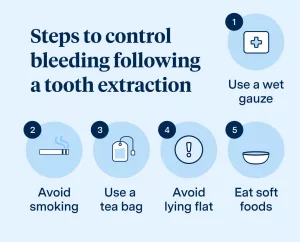
To prepare, steep a tea bag in boiling water for five minutes. Once cooled, squeeze out excess liquid. For best results, chill the tea bag in the refrigerator (not the freezer) so it can double as a mild cold compress.
Gently bite down on the cooled tea bag to keep it in place for approximately 15 minutes. Afterward, rinse your mouth with the remaining cooled tea. This method may offer temporary relief while you arrange professional evaluation, especially if you are also concerned about Treatment for nerve damage after tooth extraction and want to manage symptoms conservatively in the meantime.
Tea tree oil
Tea tree oil is known for its antiseptic, antibacterial, and analgesic properties, making it a commonly used natural remedy.
Ensure you use pure tea tree oil rather than diluted cosmetic products. Apply a small amount to sterile gauze and place it over the dry socket. Because it is potent, consider mixing one or two drops with honey or black tea before application to reduce the likelihood of irritation.
Oregano oil
Oregano oil offers antibacterial properties and may even be effective against certain drug-resistant strains of bacteria. This may be helpful if bacterial infection is contributing to your dry socket.
You can apply oregano oil directly to the affected region or place it on sterile gauze and use it several times daily. As with essential oils, use caution and consult your dental professional first.
Chamomile tea
Chamomile provides antioxidant properties that support healing. Its anti-inflammatory effects may quickly calm swelling and discomfort associated with dry socket.
Use chamomile tea bags in the same manner as black tea. Steep in boiling water for five minutes, allow to cool, and apply to the affected site for 15 minutes. Alternatively, sip the cooled tea to promote soothing relief from within.
Over-the-counter NSAIDs
Over-the-counter nonsteroidal anti-inflammatory drugs (NSAIDs) such as ibuprofen can help decrease both pain and swelling. While they do not treat or prevent infection, they can provide symptomatic relief until you are able to see your dentist.
Consult your dentist before taking any OTC medications, particularly if you are already using prescribed pain relievers after your extraction. Inform your dentist about all medications you have taken so they can tailor your care appropriately.
Avoid tobacco and other irritants
Smoking and other tobacco products increase your risk of developing dry socket and may delay healing. Avoid smoking entirely during recovery.
It is also wise to steer clear of irritating foods and beverages. Spicy dishes and alcoholic drinks can worsen discomfort. Choose soft foods to prevent disturbing the socket or trapping debris. Proper aftercare reduces complications and lowers the likelihood of needing advanced interventions, including Treatment for nerve damage after tooth extraction. If you’re wondering about recovery timelines after dental nerve irritation, you may find this resource helpful: My dentist hit a nerve how long to get better.
Risks and side effects
Dry socket can cause severe pain and should not be ignored. Without appropriate care, complications may occur.
Delayed healing is the most frequent complication. In such cases, medicated dressings and close monitoring are necessary to ensure proper recovery.
The socket can also become infected. If untreated, infection may spread to the surrounding bone, potentially requiring oral or intravenous antibiotics.
Home remedies generally carry minimal risk aside from possible allergic reactions, but it is always advisable to consult your healthcare provider before beginning any new treatment approach.
Although research indicates potential health benefits, the FDA does not monitor or regulate the purity or quality of essential oils. Speak with your doctor before using essential oils and choose reputable brands. Always perform a patch test prior to full application.
The takeaway
Dry socket can be extremely painful, but prompt care typically leads to rapid improvement. Begin symptom management as soon as discomfort appears and arrange a dental appointment without delay.
With appropriate treatment, symptoms often begin to improve quickly and usually resolve completely within three to four days. If pain persists or worsens, schedule a follow-up visit with your dentist to explore additional treatment options and rule out complications such as infection or nerve involvement.





















Leave a Reply
You must be logged in to post a comment.