Signs & Symptoms
Read articles on Signs and Symptoms to help identify early warning signs of health conditions and take timely action for better prevention and care.

Understanding Lupus Fatigue: Causes, Management & Hope
Hey there! If you’ve ever felt like you could nap through a marathon and still wake up exhausted, you’re not alone. Lupus fatigue is that relentless, bone‑deep weariness that doesn’t disappear after a good night’s sleep. It’s one of the most common lupus symptoms—up to 80 % of folks with lupus say it’s the biggest obstacle in their daily life. The good news? It isn’t a hopeless sentence. By the time…
Untreated Hypothyroidism: Risks You Need to Know
Hey there, friend. Imagine you’re feeling constantly tired, gaining a few extra pounds without trying, and your skin is suddenly dry as a desert. You might chalk it up to “just getting older” or “a busy life,” but what if those clues are actually your thyroid waving a red flag? That’s what untreated hypothyroidism looks like—a silent drift that can turn a manageable issue into a cascade of health problems.…
Is Excessive Sweating Linked to Hypothyroidism?
Short answer: no, excessive sweating isn’t a classic sign of hypothyroidism. Most people with an under‑active thyroid actually notice less perspiration because their metabolism slows down. If you’re drenched in sweat, it’s more likely you’re dealing with a medication issue, another health condition, or even a hidden dash of hyperthyroidism. That said, the story isn’t always black and white. Let’s unpack why the thyroid and your sweat glands are connected,…
Parkinson Tremor Sleep: What Really Happens at Night?
Ever found yourself lying in bed, half‑asleep, and suddenly feel that familiar shake? You’re not alone. Many of us living with Parkinson’s wonder whether our tremors simply “turn off” when we drift off. The short answer? Mostly, yes—especially during the deep, dream‑filled REM phase—but the story has a few twists, turns, and practical tips that can help you reclaim a peaceful night. How Tremor Changes First, let’s get clear on…
Concussion Fever: Why It Happens and What to Do
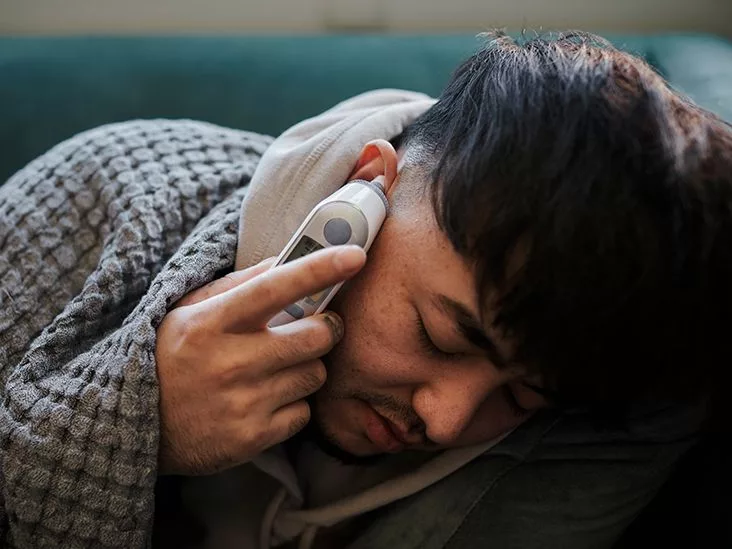
Short answer: yes, a concussion can give you a low‑grade fever. The brain’s inflammatory response to the bump often nudges your temperature up a degree or two, usually staying under 101 °F (38.3 °C) and clearing up within a day or two. But a fever that sticks around, spikes higher, or comes with new symptoms could mean something more serious is brewing, and you’ll want medical eyes on it right away. Why does…
Why Finger Tapping Parkinson’s Patients Trust It
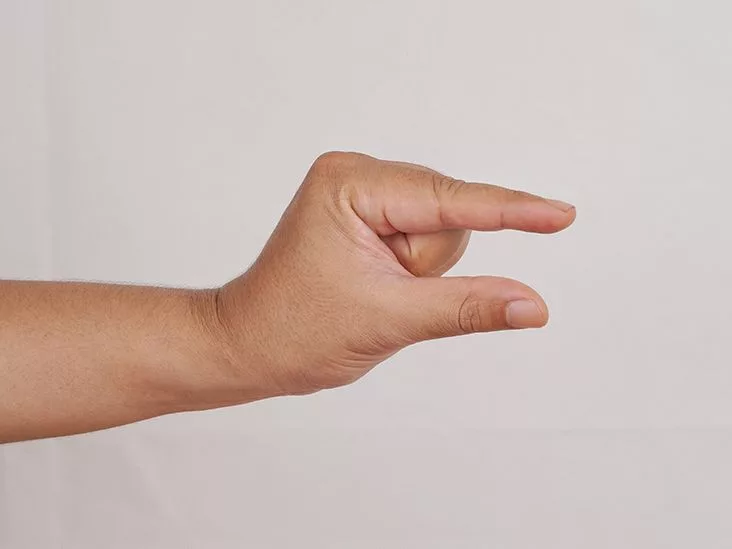
If you or someone you love lives with Parkinson’s, you’ve probably heard doctors talk about “tremor tests” or “motor exams.” What if I told you that a tiny, everyday motion—just tapping your thumb and index finger together—can reveal hidden changes in the disease — sometimes even before a tremor becomes obvious? In the next few minutes I’ll walk you through exactly what the finger‑tapping test measures, why clinicians rely on it, how…
Understanding Concussion Symptom Onset Timing
Most of us think a concussion is an “all‑or‑nothing” injury – you get hit, you feel hazy, and the symptoms either appear right away or they don’t. In reality, the brain loves to keep us guessing. Some signs pop up within minutes, while others sneak in hours, days, or even a week later. Knowing how and when concussion symptom onset unfolds can mean the difference between a quick recovery and…
Understanding Rebound Insomnia After Stopping Sleep Meds
Hey there, friend. If you’ve ever taken a bedtime pill and then noticed the next night felt like a marathon of tossing and turning, you’ve probably bumped into rebound insomnia. It’s that sneaky surge of wakefulness that shows up right after you stop a sleep aid. In the next few minutes, I’m going to walk you through why it happens, who’s most likely to feel it, what the symptoms look…
Hypothyroidism Bruising Link: What’s Really Happening?
Short answer: Yes—an under‑active thyroid can make you bruise more easily. It does this by slowing down the clotting cascade and weakening the tiny blood‑vessel walls, so even a light bump can leave a purple mark. If you’re seeing unexplained spots, bruises that linger, or bleeding that seems out of proportion to a small injury, it’s worth taking a closer look. While a low‑thyroid state is a common culprit, other…
Prodromal Schizophrenia Symptoms Explained Clearly
Hey there, friend. If you’ve ever wondered what those vague, unsettling changes in mood, focus, or social life might mean, you’re in the right place. In the next few minutes we’ll walk through the early warning signs that can show up before a full‑blown psychotic episode—what clinicians call the prodromal schizophrenia symptoms. I’ll keep it simple, sprinkle in some real‑world examples, and share the good‑news options that exist when these…