Supplements
The “Supplements” category covers articles about vitamins, minerals, and other dietary supplements, providing information on their benefits, uses, and how they support overall health.

Castor Oil vs Cod Liver Oil: The Real-Life Guide Nobody Gave You
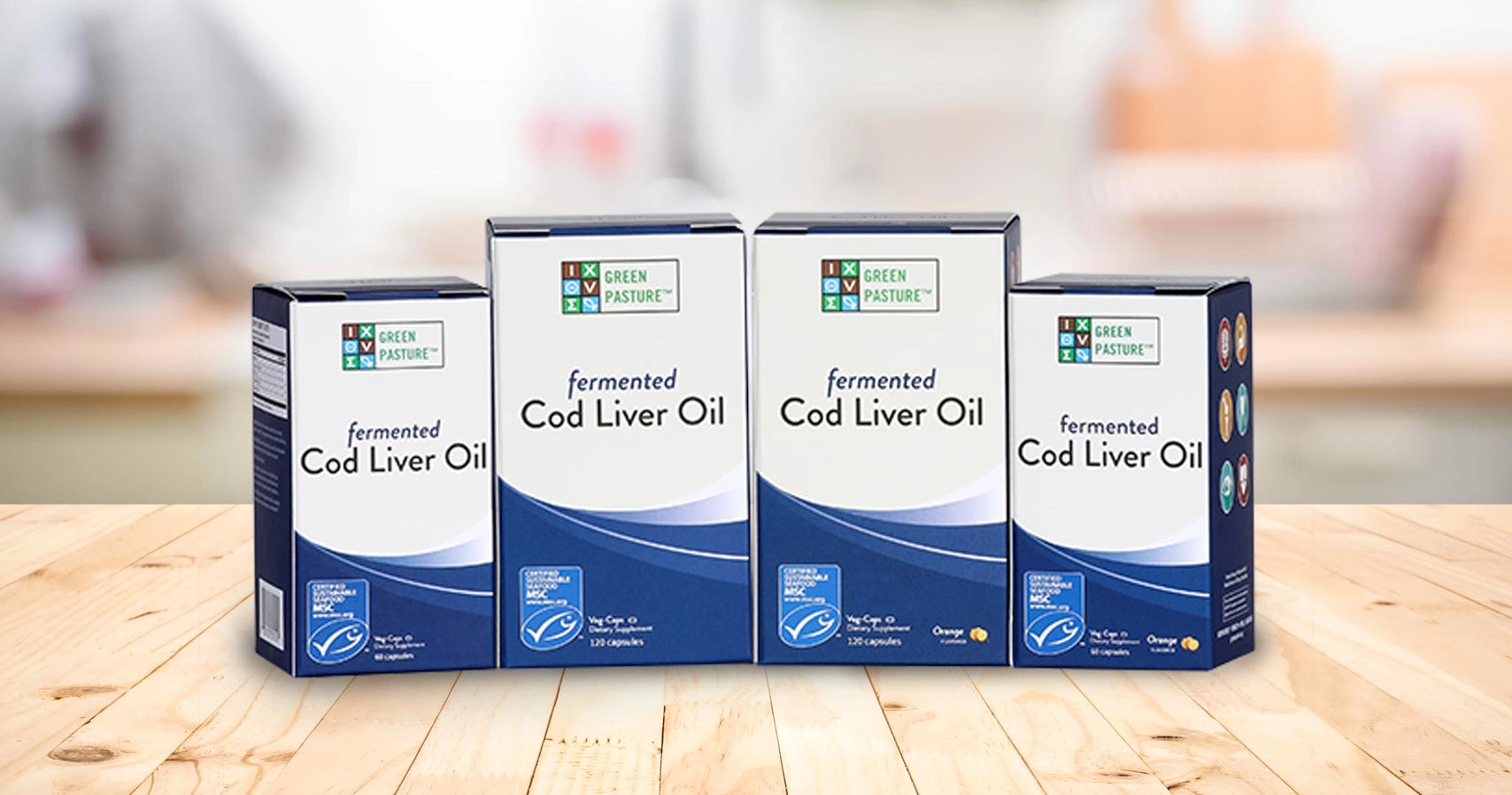
Ancient Oils, Modern Buzz Here’s a myth I’ve heard since childhood: “If you’re ever constipated, drink castor oil. If you want to be smart and strong? Go get yourself some cod liver oil.” (My grandma swore by both—though, let’s be real, she believed they could fix almost anything except her noisy neighbors.) The problem is… almost everyone I know mixes them up. Is castor oil the fishy one? Can they…

Does Garcinia Cambogia Work?
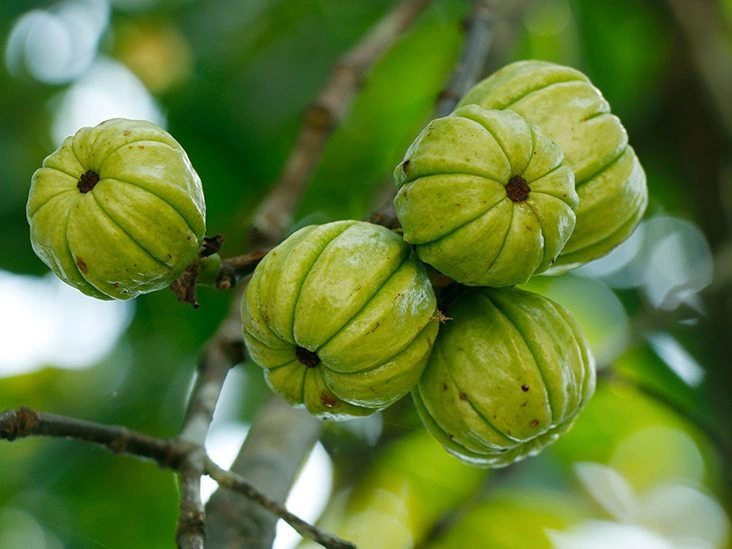
Garcinia cambogia supplements rank among the most commonly used dietary aids for losing extra pounds. These products are advertised as a way to shed weight quickly, but many people question whether they truly deliver the weight-loss benefits companies claim. On top of efficacy concerns, the safety of garcinia cambogia has been challenged by some medical professionals, leaving consumers worried about potential harms associated with this controversial supplement. This article examines…
8 Best Vitamin D Supplements in 2025 for Optimal Absorption: Reviewed by Experts
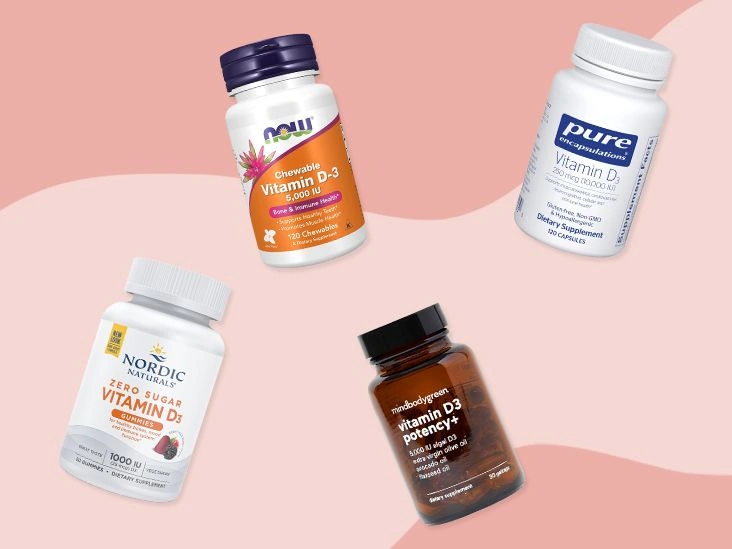
Vitamin D plays a vital role in bone integrity, muscle growth and development, and other bodily functions. If you’re not getting enough from sunlight, vitamin D supplements can be helpful. Below are our recommendations. Quick look at the best vitamin D supplements Best overall: | Skip to review Most affordable: | Skip to review Best for vegans: | Skip to review Best for kids: | Skip to review Best gummies:…
5 Potential Health Benefits of Lemon Verbena
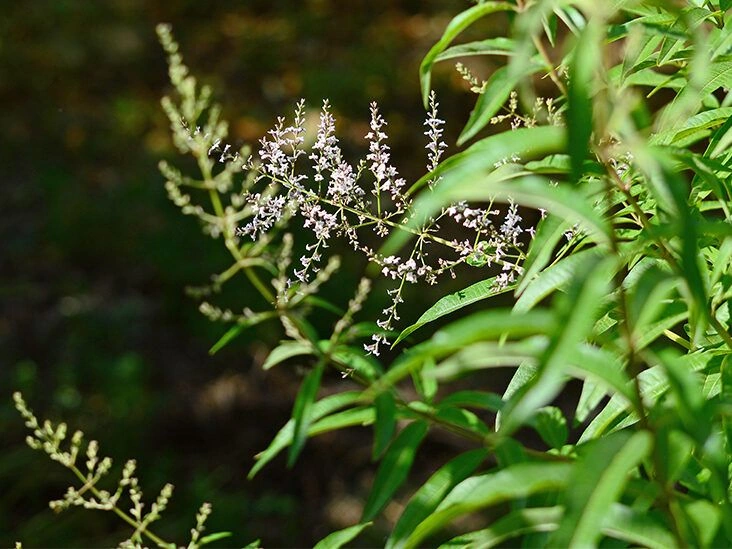
Praised for its calming fragrance and lively flavor, lemon verbena is a plant frequently enjoyed as a tea or used as an essential oil. This herb contains a range of plant-based compounds that offer distinctive health effects. It has a long history in traditional medicine for addressing respiratory ailments, digestive complaints, and other issues. Below are five possible uses and health benefits of lemon verbena, each supported by scientific studies.…
What’s the Best Time to Take Magnesium Supplements?
You can take magnesium supplements at any point during the day, but depending on your goal for using them, you might prefer a particular routine. More important than the exact hour is often taking them regularly. Magnesium is a vital mineral involved in numerous health processes. It may help regulate blood sugar, prevent migraine episodes, lower blood pressure, enhance athletic performance, and reduce the risk of depressive and anxious symptoms.…
Your Guide to the Best Supplements for Muscle Growth
Several nutritional supplements can support muscle growth when combined with resistance training and a balanced diet. Common examples include creatine and various protein products. If you work out consistently, you probably want to maximize the benefits of your efforts. One key outcome of training is gaining muscle and strength. Carrying an appropriate amount of muscle enables you to perform better both during workouts and in everyday activities. There are three…
What Is Palo Santo, and How Is It Used Medicinally?
Palo santo is a traditional natural remedy you can apply to your skin or burn as incense to ease pain, inflammation, and stress. Palo santo (Bursera graveolens) is a tree native to Peru, Ecuador, and other parts of South America. It thrives in dry tropical woodlands and produces a highly fragrant resin. In Spanish, palo santo translates to “holy wood.” For millennia, the wood, resin, and oil have been utilized…
9 Supplements for Joint Pain
Although evidence varies for most supplements aimed at easing joint discomfort and the FDA does not oversee them, options such as fish oil, glucosamine, and chondroitin are among those that might provide relief. Many products on the market claim to alleviate joint pain in addition to standard analgesics like acetaminophen and ibuprofen, but which actually show benefit? Below, we review nine supplements and summarize what current studies indicate. Before trying…
9 Health Benefits of Lion’s Mane Mushroom (Plus Side Effects)
Lion’s mane mushrooms are large, white, shaggy fungi that resemble a lion’s flowing mane as they develop. They contain bioactive compounds that may offer numerous health advantages, particularly for the brain, heart, and digestive system. Also called Hericium erinaceus, hou tou gu, or yamabushitake, lion’s mane is used both as a food and a medicinal fungus in Asian nations such as China, India, Japan, and Korea. Below are nine health…
What is DAO? Diamine Oxidase Supplements Explained
Diamine oxidase is an enzyme that aids in degrading surplus histamine in the body. While additional studies are necessary to confirm its effectiveness and optimal dosing, current research has not reported harmful side effects. Diamine oxidase (DAO) is an enzymatic compound and dietary supplement often used to address symptoms linked to histamine intolerance. Taking DAO supplements may provide certain advantages, but the body of evidence remains limited. This article examines…